Libya's Enduring Stalemate: A Cycle of Cooperation and Illusion
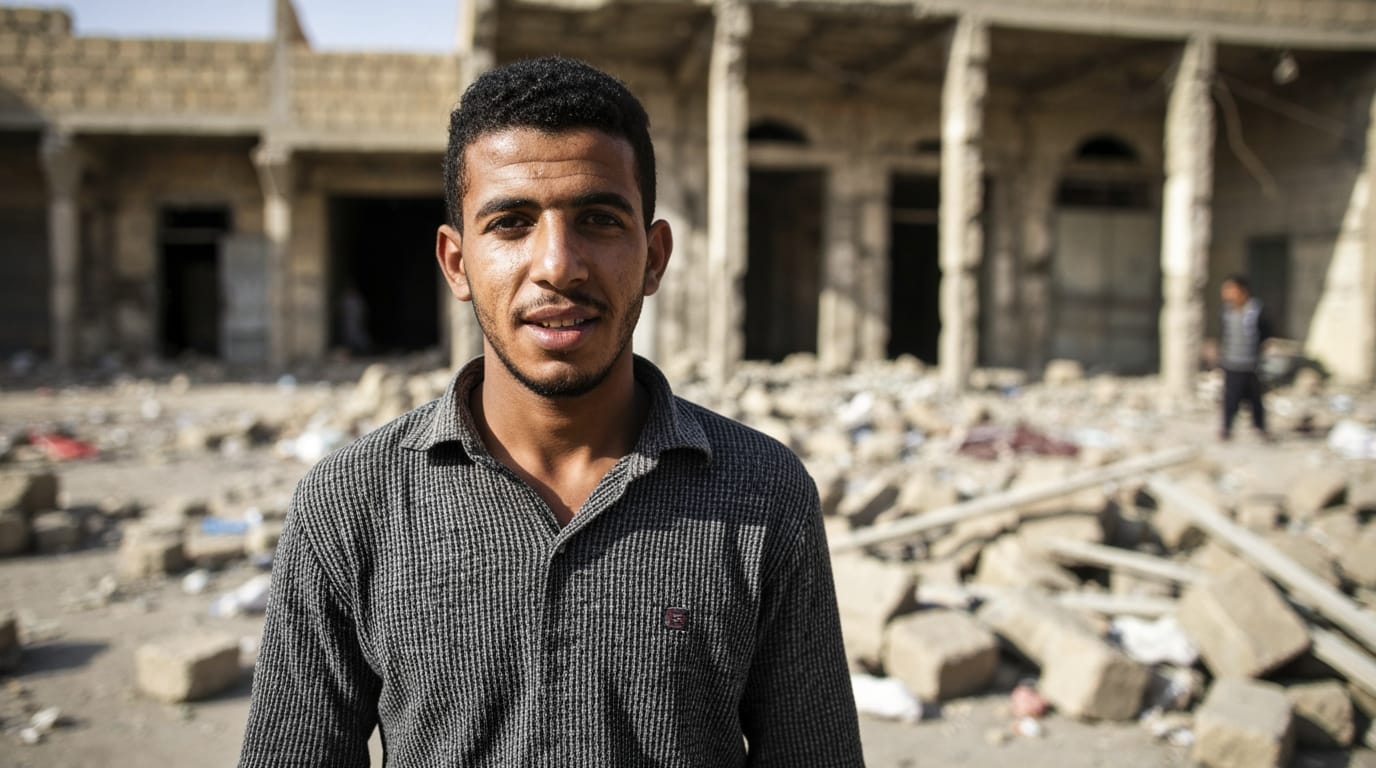
Libya remains ensnared in a protracted political crisis, perpetually oscillating between fragile attempts at national unity and the entrenched realities of division and conflict. More than a decade after the 2011 uprising, the North African nation struggles to forge a stable path forward, with each flicker of hope for reconciliation often dimmed by the resurgence of internal rivalries and persistent external interference. The current landscape is marked by competing administrations, a powerful militia presence, and the geopolitical weaponization of its vast oil wealth, leaving the prospect of lasting peace an elusive goal.
The Elusive Promise of Unified Governance
The formation of an interim Government of National Unity (GNU) in March 2021, under the leadership of Prime Minister Abdul Hamid Dbeibah, initially offered a moment of optimism for a nation yearning for cohesion. This internationally recognized government was tasked with guiding Libya towards national elections, a critical step intended to establish legitimate, unified institutions. However, the path to the ballot box has proven to be fraught with insurmountable obstacles. Elections, initially scheduled for December 2021, have been indefinitely postponed, a consequence of deep disagreements among key stakeholders regarding the electoral framework and eligibility criteria. This delay quickly dissipated early hopes for a democratic transition, plunging the country back into a familiar political impasse.
The UN Support Mission in Libya (UNSMIL) has consistently worked to bridge these divides, outlining roadmaps for a political process aimed at unifying state institutions. Despite these sustained efforts, UN officials, including former Special Representative Abdoulaye Bathily and current envoy Hanna Tetteh, have frequently expressed frustration over the lack of political will among Libyan actors to compromise, lamenting that unilateral actions continue to complicate efforts for a negotiated solution. These setbacks underscore a recurring theme in Libya's post-Gaddafi era: agreements often serve as temporary ceasefires rather than foundations for enduring political reform, creating an illusion of progress that is quickly shattered.
Fractured Authority and Entrenched Power Centers
At the heart of Libya's instability lies its deeply fragmented governance structure. The country is effectively divided between two rival administrations: the internationally recognized GNU, based in the capital Tripoli, and the eastern-based Government of National Stability (GNS), appointed by the House of Representatives (HoR) and largely supported by the Libyan National Army (LNA) under the command of Khalifa Haftar. Haftar, described by former UN special representatives as the "indisputably the decision-making authority on political, military and security matters in eastern and southern Libya," wields significant influence, complicating any genuine unification of military and security institutions.
Further complicating this division is the pervasive influence of armed groups and militias. Since the collapse of the state's monopoly on violence in 2011, these groups have become deeply institutionalized, integrating into both official and unofficial security apparatuses. They exert considerable sway over key appointments and the distribution of state resources, effectively acting as powerful veto players in any political process. While a UN-brokered ceasefire from October 2020 has largely held, intermittent militia infighting, such as clashes witnessed in Tripoli in May 2025, serves as a stark reminder of the fragile security environment and the continued threat of renewed conflict.
Oil, Foreign Hands, and the Economic Squeeze
Libya possesses Africa's largest proven oil reserves, making its hydrocarbon sector the primary driver of its economy and government revenue. However, this immense wealth has become a persistent source of contention rather than a unifying asset. Control over oil fields, ports, and the National Oil Corporation (NOC) is a key strategic objective for various factions, frequently leading to blockades, production disruptions, and disputes over revenue distribution. For instance, a leadership crisis at the Central Bank of Libya in 2024 led to a significant drop in oil production, highlighting how political infighting directly impacts the nation's economic lifeline.
Adding another layer of complexity is the profound impact of foreign interference. Regional and international powers have actively backed opposing sides in Libya's conflict, exacerbating divisions and prolonging the crisis. Countries like Egypt, the United Arab Emirates, France, and Russia have provided support to Haftar's LNA, while Turkey and Italy have aligned with the UN-backed governments in Tripoli. This external involvement not only fuels the conflict by supplying arms and mercenaries but also undermines Libya's sovereignty and any internally driven peace initiatives. The struggle for control over Libya's energy resources has, in effect, become an open contest, with external forces leveraging their influence for strategic and economic gain.
The economic consequences of this prolonged instability are severe for the average Libyan citizen. The UN's Special Representative Hanna Tetteh warned in April 2026 that the economic conditions are worsening, characterized by rising prices, fuel shortages, and increasing poverty, calling the current economic model "unsustainable." Despite a temporary oil revenue windfall, significant progress hinges on political leaders committing to transparency and independent oversight of public finances, without which, formal agreements are unlikely to translate into tangible improvements for the populace.
The Perpetual Cycle of Stalled Progress
The international community, primarily through the United Nations, has repeatedly attempted to facilitate a lasting peace in Libya. These efforts involve structured dialogues, roadmaps for institutional reunification, and calls for elections. However, the UN's top envoy, Hanna Tetteh, reiterated in April 2026 that Libya is "not where we would like to be in terms of progress on the roadmap," cautioning that some Libyan actors continue to sidestep public expectations and democratic accountability. She emphasized that "unilateral actions by Libyan political, military and security actors have increased tension… and complicated efforts for a negotiated solution," leading to a political "stalemate."
This persistent cycle of negotiation followed by deadlock, and the establishment of parallel structures outside agreed frameworks, has fostered widespread skepticism about the prospects for genuine democratic transition. The humanitarian situation remains a critical concern, with hundreds of thousands of people in need of assistance, exacerbated by internal displacement and the influx of refugees from neighboring conflicts.
A Long Road Ahead
Libya's trajectory since 2011 has been a testament to the profound challenges of post-conflict reconstruction and national reconciliation in a deeply fractured society. The nation’s struggle to move beyond the absence of open warfare to the presence of genuine peace is evident in its enduring political divisions, the pervasive influence of armed groups, the manipulation of its economic lifelines, and the persistent interference of external actors. While moments of cooperation and unified intent emerge, they are frequently undermined by a lack of political will, competing interests, and the sheer inertia of a fragmented status quo. Until Libyan leaders prioritize national interest over factional gain and the international community aligns its efforts more cohesively, the oscillation between cooperation and illusion is likely to continue, prolonging the suffering of its people and deferring the promise of a stable, unified future.


