Life-Saving Aid Reaches Besieged Kobane Amid Dire Humanitarian Crisis
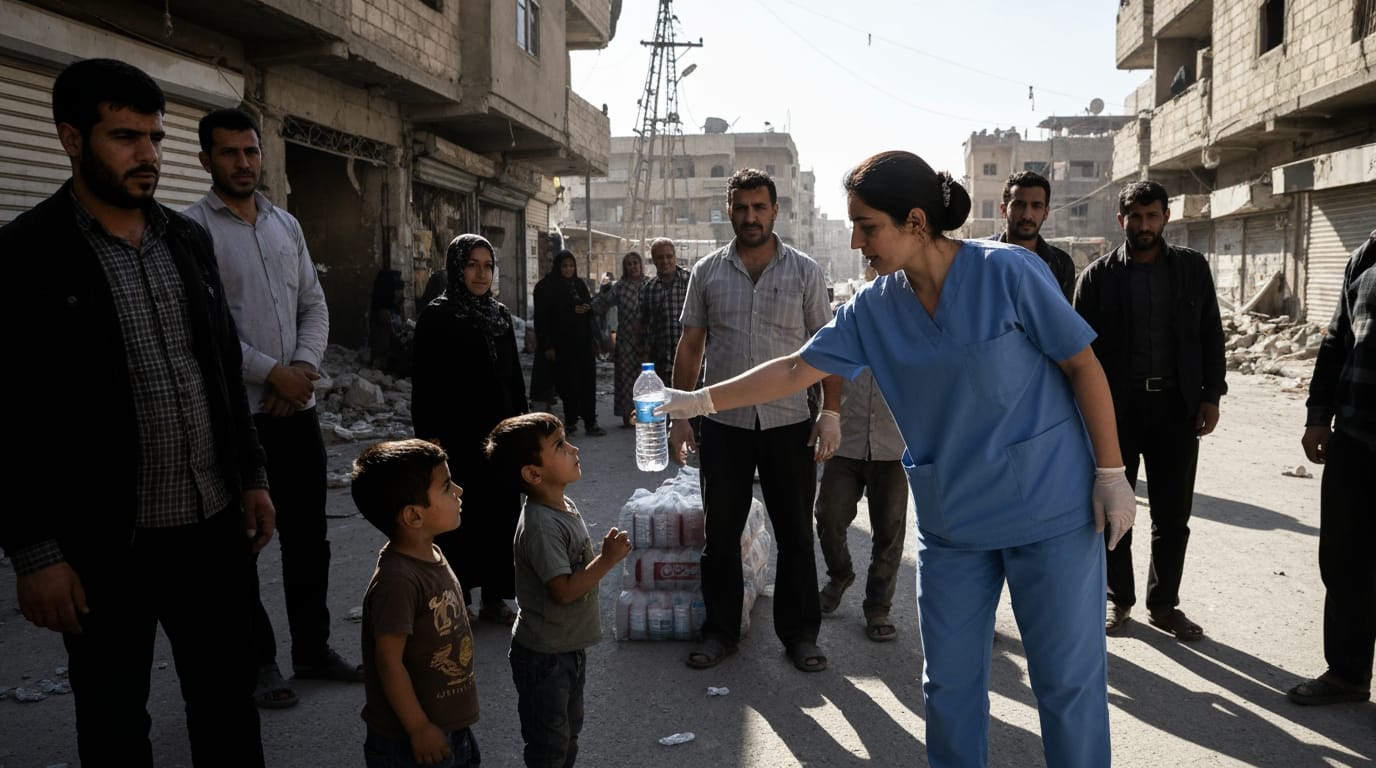
Kobane, Syria – Life-saving humanitarian convoys have begun to reach the Kurdish-majority city of Kobane (also known as Ain al-Arab) in northern Syria, bringing desperately needed supplies to an estimated 150,000 civilians isolated by a week-long military blockade and grappling with severe winter conditions. The arrival of aid from both United Nations agencies and the Barzani Charity Foundation marks a critical, albeit fragile, moment for a population facing acute shortages of food, water, fuel, and medical supplies, with reports of child fatalities due to the extreme cold and lack of resources.
The intervention comes as the Syrian government announced the opening of humanitarian corridors, following urgent appeals from residents and international organizations highlighting a looming humanitarian catastrophe in the city. This recent development offers a glimmer of hope for a city scarred by years of conflict and now contending with renewed instability and a harsh winter.
A Breach in the Blockade: Convoys Bring Crucial Relief
On Sunday, January 25, a United Nations humanitarian convoy, consisting of 24 trucks laden with essential food, relief items, and diesel, successfully entered Kobane. Gonzalo Vargas Llosa, the UN refugee agency's representative in Syria, confirmed the delivery, emphasizing its role in providing life-saving and winter assistance to those affected by hostilities. This effort was coordinated with the Syrian government, which concurrently declared the opening of two humanitarian corridors, one specifically to Kobane and another in the nearby Hasakeh province, aimed at facilitating aid delivery.
Parallel to the UN-backed efforts, the Barzani Charity Foundation (BCF) also announced the successful entry of its first humanitarian convoy into Kobane. Musa Ahmad, President of the BCF, stated in Qamishlo that this breakthrough was the result of sustained diplomatic and logistical efforts. The BCF's operation was reportedly extensive, with 114 trucks carrying food, medicine, and energy supplies reaching the region, with 5,827 families, comprising 34,227 individuals, benefiting from aid distribution on Saturday alone. The foundation also provided diesel fuel to 81 schools for heating and distributed food and health packages to 30 additional schools, addressing critical needs during a winter characterized by the heaviest snowfall in over 50 years.
Kobane's Renewed Plight: A City on the Brink
The recent aid deliveries underscore the dire humanitarian situation that has gripped Kobane for more than a week. The city and its surrounding villages have been under a military blockade by the Syrian Arab Army and affiliated armed groups, leading to a complete cessation of water, electricity, internet, and communication services. This isolation has left an estimated 150,000 civilians without basic necessities, prompting fears of a "slow death" as described by local observers.
Reports from the ground painted a grim picture: severe shortages of food, fuel, electricity, heating, and infant supplies have become critical. Residents struggled to survive harsh winter conditions, with some resorting to melting snow for water due to lack of power and fuel. Tragically, the human cost of the siege has already manifested, with the Kurdish Red Crescent reporting that five children, including an infant, died in the city due to extreme cold and lack of heating fuel. Additionally, a child reportedly died in a Kobane hospital due to a critical lack of medical oxygen, highlighting the collapse of health facilities heavily reliant on failing emergency generators. Eighty percent of the city's residents were reported to lack clean water, and medical centers operated at less than 10 percent capacity.
Historical Echoes and Contemporary Conflicts
Kobane holds a significant place in the Syrian conflict, having become a global symbol of Kurdish resistance after its liberation from a devastating Islamic State (IS) group siege in 2015. That prolonged battle, which began in September 2014, caused extensive damage and displaced hundreds of thousands of people into neighboring Turkey. The memory of that struggle, where Kurdish forces, backed by a US-led international coalition, ultimately prevailed, looms large over the current crisis.
The current instability stems from renewed clashes between the Syrian government and Kurdish-led forces in the country's northeast. A fragile 15-day ceasefire, extended through international mediation, was intended to de-escalate tensions and facilitate the transfer of Islamic State detainees to Iraq. However, reports of continued fighting in areas like Al-Hasakeh governorate and around Kobane underscore the precarious security situation. The humanitarian crisis is unfolding against a complex political backdrop, with political tensions remaining high and local authorities urging international pressure on the Syrian government to lift blockades permanently.
Broader Displacement and Ongoing Challenges
The crisis in Kobane is part of a larger wave of displacement affecting northeastern Syria. Local authorities estimate that more than 130,000 people have fled various areas, including Sheikh Maqsud, Ashrafiyeh, Raqqa, and Tabqa, seeking refuge in places like Qamishlo and Hasakah. Many of these displaced individuals are currently sheltering in mosques and schools under harsh conditions, with projections suggesting the number could soon reach 150,000.
Humanitarian actors face immense challenges in providing assistance. Beyond insecurity and access constraints, a lack of funding for winter assistance, with only about a quarter of the required funds secured, further exacerbates the situation. While UN agencies and organizations like the BCF are actively working to deliver aid, the sheer scale of the needs remains overwhelming. The Fishkhabour–Semalka border crossing continues to be a crucial gateway for humanitarian aid from the Kurdistan Region to reach affected areas.
A Precarious Future
The recent arrival of humanitarian aid to Kobane provides immediate, life-saving relief to a population on the brink. However, the situation remains extremely fragile. The city's vulnerability, compounded by a military blockade, severe weather, and underlying political and military tensions, necessitates sustained and unhindered humanitarian access. The efforts of the UN and other organizations offer a temporary reprieve, but a lasting solution requires a de-escalation of conflict and comprehensive measures to ensure the safety and well-being of all civilians in the region. Without a durable resolution, Kobane and its residents face a precarious future, constantly susceptible to the ravages of war and humanitarian crises.


