Malaysia Implements Social Media Ban for Minors, Igniting Widespread Privacy Debate
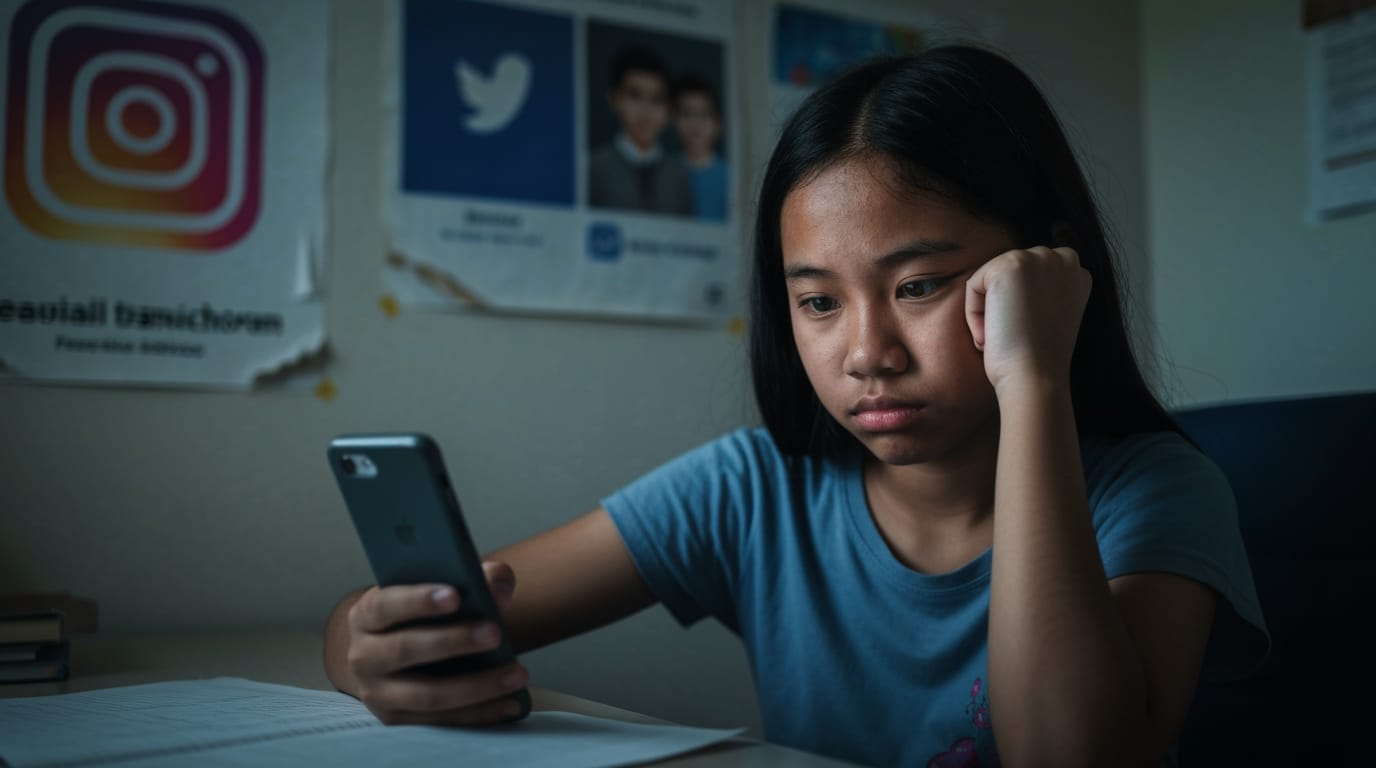
KUALA LUMPUR, Malaysia – Malaysia has officially launched a new era of digital regulation, enacting stringent rules that prohibit individuals under the age of 16 from creating or maintaining social media accounts. The landmark move, which took effect on Monday, June 1, 2026, aims to shield minors from online harms such as cyberbullying, inappropriate content, and addictive platform features. However, the policy, rooted in the Online Safety Act 2025, has immediately sparked a fervent debate across the nation, pitting concerns for child protection against significant privacy implications and questions regarding digital rights and efficacy.
Malaysia's Bold Move for Online Child Safety
The Malaysian Communications and Multimedia Commission (MCMC) is spearheading the enforcement of these new regulations, which fall under the recently introduced Child Protection Code (CPC) and Risk Mitigation Code (RMC). The measures target major social media platforms with at least eight million users in Malaysia, explicitly naming global giants such as Facebook, Instagram, TikTok, and YouTube. According to authorities, the primary objective is not to deny children access to the internet or digital technology, but rather to foster a safer online environment. The government cites growing concerns over the impact of social media on the mental health, online safety, and cognitive development of young users as the driving force behind this decisive action.
Under the new framework, social media companies are mandated to implement robust age-verification systems. New users below the age of 16 will be barred from registering accounts. For existing users, a phased age verification process will be rolled out over the next six months. Minors identified as being under the age of 16 will be granted a one-month grace period to download or transfer their data, including photos and videos, before restrictions or account suspensions are enforced. Non-compliant platforms face severe penalties, including fines of up to 10 million ringgit (approximately USD$2.5 million).
The Mechanics of the Ban: Age Verification and Enforcement
A central component of Malaysia's new policy is its distinctive approach to age verification. Platforms are required to check users' ages against government-issued identification documents such as MyKad or passports, or through the national digital identity platform, MyDigital ID. The National Cyber Security Agency (NACSA) has emphasized that this method aims to protect children online while minimizing the amount of personal information shared directly with social media companies. NACSA asserts that MyDigital ID does not store sensitive biometric data but rather verifies users against official records held by the National Registration Department, ensuring that personal data remains within a secure government system. This centralized verification process, officials contend, reduces the risk of data exposure.
The MCMC has indicated that while parents will not face legal penalties if their children manage to circumvent the new restrictions, the onus remains on platforms to enforce the age gate effectively. Furthermore, the regulations also impose stricter requirements on content governance, mandating platforms to implement risk assessments, content moderation, and algorithmic adjustments to reduce exposure to harmful material.
A Chorus of Concerns: Privacy, Rights, and Unintended Consequences
Despite the government's intentions, the social media ban for minors has drawn considerable criticism, particularly regarding data privacy and children's fundamental rights. Digital rights advocates, including ARTICLE 19, the Centre for Independent Journalism (CIJ), and Sinar Project, have lambasted the "blanket ban" as disproportionate and potentially undermining the privacy and freedom of expression for all social media users, both adults and children. They argue that the move, which relies on government-issued identification for age verification, could normalize surveillance and increase the risk of data privacy breaches.
Benjamin Loh, a social science lecturer at Monash University in Malaysia, voiced concerns that requiring government identification could lead to the storage of sensitive personal data by social media companies without adequate safeguards. Loh also highlighted the potential for unintended consequences, particularly for marginalized communities such as stateless individuals, undocumented residents, and LGBTQ+ individuals who often rely on online anonymity for their safety and communication.
Critics also question the practical effectiveness of the ban. There is apprehension that determined minors may simply seek unregulated or less secure platforms to bypass the restrictions, potentially exposing them to even greater risks in unmonitored digital spaces. Amnesty International Malaysia's Freedom of Expression Campaigner, Kiran Kaur, called for a more nuanced approach, emphasizing targeted regulation of online platforms to protect children's privacy and data, rather than a total ban that restricts their ability to connect and access information. Some also warn of a "cliff-edge" effect, where children, suddenly gaining unrestricted access at age 16, may be ill-prepared to navigate complex online environments.
Global Precedent and Local Divisions
Malaysia's decision places it among a growing number of nations worldwide that are tightening controls on youth access to social media. Countries such as Australia, Brazil, and Indonesia have already implemented or announced similar age-based restrictions. Others, including the United Kingdom, France, Spain, Denmark, Thailand, and South Korea, are actively studying or developing comparable approaches. This global trend underscores a collective governmental anxiety over the pervasive influence of social media on younger generations.
Within Malaysia, public opinion remains divided. Some parents, like Saravanan Ganasan and Jayaradha Veerasamy, whose children are 12 and 15, have welcomed the changes, believing minors lack the psychological capacity to cope with social media's complexities. They advocate for stricter parental oversight and appreciate the government's intervention. Conversely, other parents express apprehension. Shaun Hew, a parent from Kuala Lumpur, worries that an abrupt cutoff could lead teenagers to rebel and find less regulated avenues online. Tech companies are also weighing in; Meta's Director of Public Policy for Southeast Asia, Clara Koh, cautioned that the ban could backfire by driving teenagers away from "protected apps" and into "unregulated corners of the internet."
Conclusion
As Malaysia embarks on this significant regulatory journey, the implementation of a social media ban for minors under 16 presents a complex balancing act. While the government aims to safeguard young individuals from the inherent risks of the digital world, the policy simultaneously raises profound questions about individual privacy, freedom of expression, and the practical challenges of enforcement. The coming months will be critical in observing how platforms adapt to these new demands, how children and parents navigate the altered digital landscape, and whether the policy truly achieves its protective goals without inadvertently creating new vulnerabilities or infringing upon fundamental rights. The global community will undoubtedly watch closely as Malaysia grapples with the intricate intersections of technology, governance, and human rights in the digital age.


