Maltese Tycoon on Trial for Journalist's Murder, Unraveling Years of Corruption
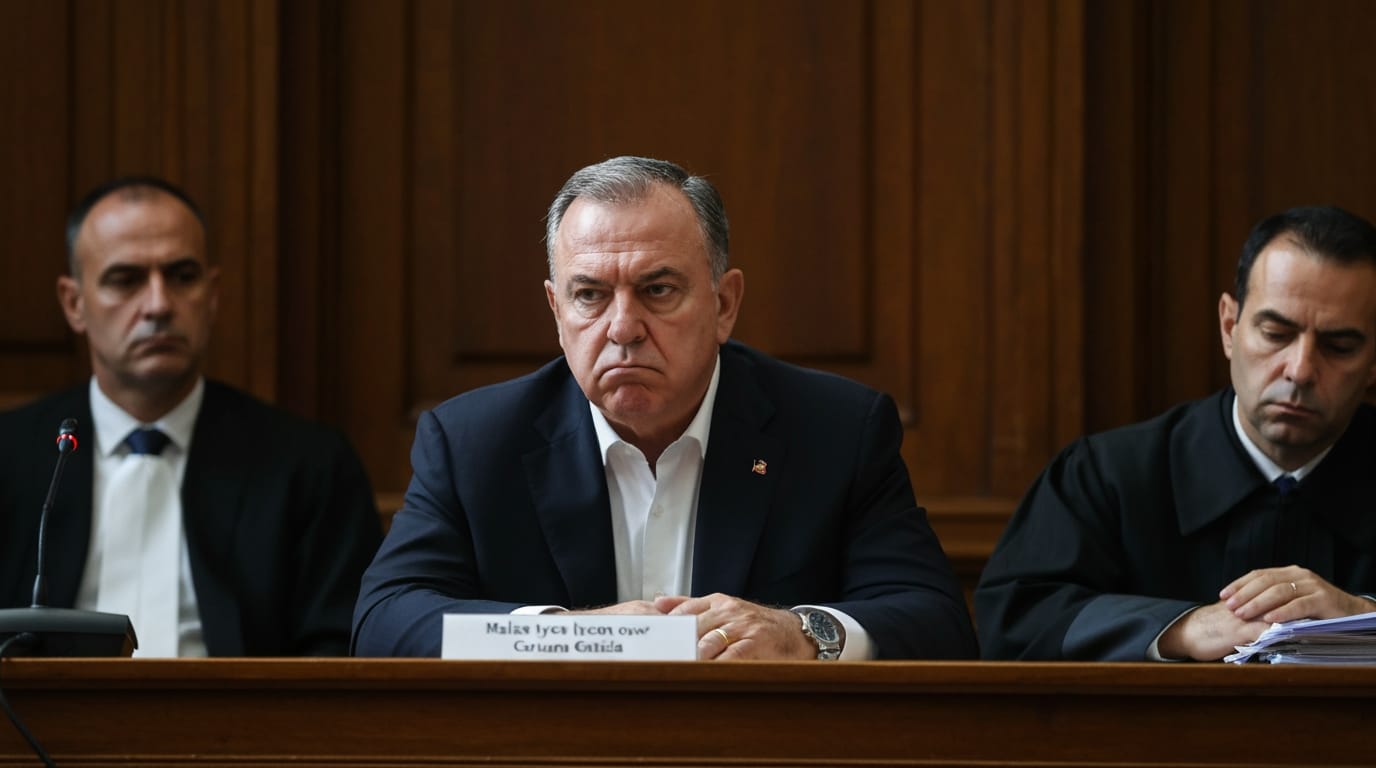
Valletta, Malta – Nearly nine years after investigative journalist Daphne Caruana Galizia was killed by a car bomb, Maltese business magnate Yorgen Fenech has begun his trial, facing charges of complicity in her voluntary homicide and criminal association. The high-profile proceedings in Valletta mark a pivotal moment in Malta's relentless pursuit of justice, a case that has exposed deep-seated corruption and rattled the nation's political establishment. Fenech, a powerful figure in Malta's business landscape, maintains his innocence. The trial is expected to be a lengthy and complex legal battle, with prosecutors asserting Fenech was central to the assassination plot.
The Architect of Alleged Assassination
Yorgen Fenech, 44, heir to one of Malta's largest fortunes, including the Tumas Group and Hilton Malta hotel, stands accused of orchestrating the murder of Caruana Galizia. Prosecutors allege that Fenech "wanted, ordered, and paid" for the journalist's assassination, arguing that without his participation, Caruana Galizia would not have been killed. The indictment details how Fenech allegedly commissioned middleman Melvin Theuma in April 2017 to find individuals willing to carry out the killing, reportedly suggesting George Degiorgio as a potential hitman. An initial payment of €30,000 was reportedly made, with a total agreed price of €150,000 for the murder. Following her death, an additional €120,000, along with €5,000 for expenses, was allegedly paid. Furthermore, prosecutors claim Fenech spent over €400,000 on legal fees for the convicted hitmen following their arrests. Fenech was arrested in November 2019 while attempting to flee Malta on his yacht and has been on house arrest, reportedly on a record bail estimated at €50 million, awaiting trial. The Attorney General has requested a life sentence for the murder charge and 20 to 30 years for criminal association.
Daphne Caruana Galizia: A Crusader Against Corruption
Daphne Caruana Galizia was a prominent investigative journalist, blogger, and columnist whose work courageously exposed corruption at the highest levels of Maltese politics and business. At 53 years old, she was known for her unyielding investigations into financial malpractice, including revelations from the Panama Papers. Her reporting extensively covered the controversial ElectroGas power station deal, a flagship project of the government, in which Yorgen Fenech was a major shareholder and director. Caruana Galizia had revealed the existence of a Dubai company, 17 Black, owned by Fenech, which was allegedly intended to funnel millions to top government officials, including then-Energy Minister Konrad Mizzi and Prime Minister's Chief of Staff Keith Schembri. Her final blog post, published just moments before her death on October 16, 2017, ominously concluded: "There are crooks everywhere you look now. The situation is desperate." She was killed by a remotely detonated car bomb near her home in Bidnija, an act that sent shockwaves across Malta and the international community.
The Unfolding Conspiracy and the Long Road to Justice
The investigation into Caruana Galizia's murder has been protracted and complex, marked by several arrests and plea deals that progressively unraveled the assassination plot. Three men—George Degiorgio, Alfred Degiorgio, and Vincent Muscat—were arrested in December 2017, accused of planting and detonating the bomb. Vincent Muscat, also known as "il-Koħħu," pleaded guilty in 2021 and was sentenced to 15 years in prison after turning state witness and providing crucial testimony. The Degiorgio brothers initially denied the charges but later pleaded guilty on the first day of their trial in October 2022, receiving 40-year sentences. Furthermore, Robert Agius and Jamie Vella were sentenced to life in prison in June 2025 for supplying the bomb used in the attack.
A key breakthrough in the investigation came with the testimony of Melvin Theuma, a taxi driver who allegedly acted as the middleman between Fenech and the hitmen. Theuma received a presidential pardon in exchange for his cooperation and testimony, which included secretly recorded conversations with Fenech. These recordings are expected to be critical evidence for the prosecution, as Theuma reportedly feared for his life after the initial arrests and used the recordings to secure his pardon.
Profound Implications for Malta's Governance and Reputation
The assassination of Daphne Caruana Galizia and the ensuing investigation have had profound and lasting implications for Malta, triggering a national reckoning over governance, transparency, and the rule of law. The political crisis intensified following Fenech's arrest, leading to the resignation of then-Prime Minister Joseph Muscat in December 2019. An independent public inquiry in 2021 concluded that the Maltese state bore responsibility for Caruana Galizia's murder by fostering an "atmosphere of impunity" that allowed her killers to believe they would face minimal consequences. The inquiry's 437-page report accused the state of creating an environment where threats against journalists were not adequately addressed, contributing to a sense that such a heinous crime could occur.
The scandal also brought international scrutiny to Malta's fight against corruption. Caruana Galizia's investigations into the ElectroGas project, 17 Black, and links to high-ranking officials have prompted ongoing efforts to strengthen corporate governance and anti-money laundering regulations within the financial services sector. Corruption charges have since been filed against multiple individuals, including former Prime Minister Joseph Muscat, former chief of staff Keith Schembri, and former minister Konrad Mizzi, related to various scandals Caruana Galizia had investigated, such as the hospital privatization deal. These developments underscore the enduring impact of her work and the complex web of alleged corruption she bravely sought to expose.
A Family's Enduring Quest for Justice
For Caruana Galizia's family, the trial of Yorgen Fenech represents a critical step in their nearly decade-long fight for complete justice. Her three sons and widower have been at the forefront of the campaign, advocating for accountability and a thorough investigation. The family has endured profound personal loss and has repeatedly called for an end to impunity for crimes against journalists. Daphne's sister, Mandy Mallia, recently expressed the profound impact the ongoing trial has had on them, noting that their mother passed away without seeing justice served. The family remains a constant presence in court, their quest for justice emblematic of a broader struggle for press freedom and accountability in Malta and beyond.
As Yorgen Fenech's trial unfolds, it carries immense weight for Malta's democratic institutions and its commitment to the rule of law. The proceedings aim to hold accountable the alleged mastermind behind a crime that silenced a courageous journalist and shocked the world, with the ultimate verdict poised to shape the nation's future trajectory and its battle against entrenched corruption.