Mandela's Enduring Dream: Has South Africa Lost Its Way?
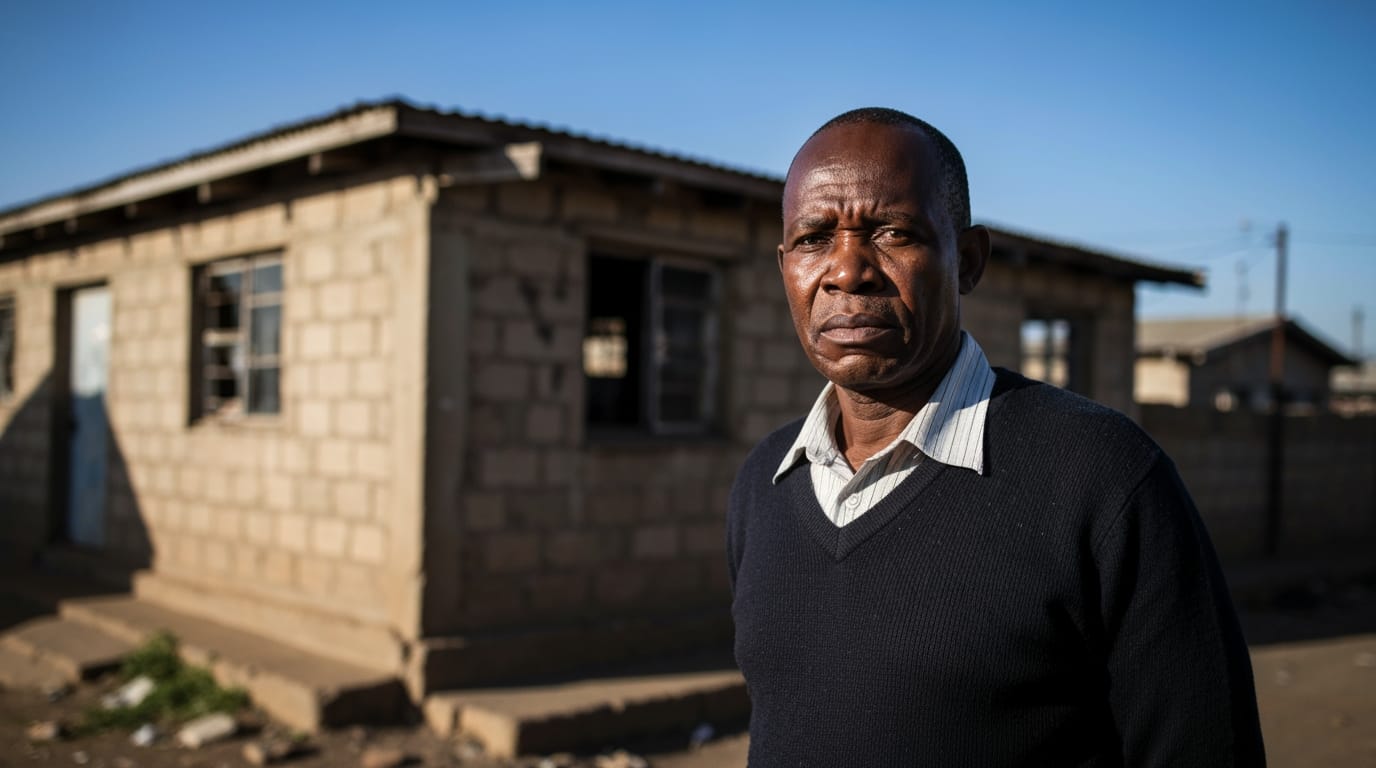
More than three decades after the dismantling of apartheid, South Africa continues to grapple with the complex legacy of its past and the ambitious vision of its founding father, Nelson Mandela. As the world annually observes Mandela Day on July 18, commemorating his birthday and 67 years of struggle against injustice, a critical question echoes across the "Rainbow Nation": Is South Africa truly living up to the ideals of equality, justice, and prosperity that Madiba championed, or have persistent challenges dimmed the bright promise of a democratic future?
The Blueprint of a Nation: Mandela's Vision and the Birth of a Day
Nelson Mandela's release from prison in 1990 and his subsequent election as South Africa's first Black president in 1994 ushered in an era of profound hope and transformation. His vision was clear: a non-racial, non-sexist, democratic South Africa, where human dignity, equity, and freedom were enshrined for all citizens. Central to his platform were social equity, poverty alleviation, and true democracy, underpinned by the rule of law. Mandela famously worked for racial reconciliation, using symbolic gestures like supporting the predominantly white national rugby team and establishing the Truth and Reconciliation Commission to heal a deeply fractured society.
It was in this spirit that Nelson Mandela Day was conceived, officially declared by the United Nations in 2009. The day is not intended as a public holiday but as a global call to action, encouraging individuals to dedicate 67 minutes of their time – symbolizing Mandela's 67 years of fighting for human rights – to community service and charitable activities. Its purpose is to inspire people to embrace democratic values and contribute to a just and fair society, raising awareness and expanding the reach of Mandela's values of fighting injustice, helping those in need, and practicing reconciliation.
A Mixed Report Card: Progress Amidst Deep-Seated Inequality
Since 1994, South Africa has made notable progress in several areas, dismantling apartheid laws and establishing a constitutional framework that guarantees political and socioeconomic rights for all. The nation's global standing has transformed from a pariah state to an active participant in international affairs. There have been significant advancements in higher education, with millions of students receiving financial support, and a visible growth of the black middle class. Efforts have also been made in land reform, with millions of hectares transferred, and gender equality has been enshrined in the constitution, leading to increased representation of women in leadership roles.
However, the path to fulfilling Mandela's full vision has been fraught with challenges. Many observers contend that the "long walk to freedom did not end in 1994; it entered a new and demanding phase." South Africa remains one of the world's most economically unequal societies, with racial disparities continuing to influence access to jobs and wages. In 2023, more than half of the population lived in poverty, and the country's unemployment rate stood at 32.9%, with youth unemployment exceeding 50%. This stark reality contributes to a sense of disillusionment, particularly among younger generations who did not experience apartheid firsthand.
The economy, despite doubling in size since 1994, has experienced slow growth over the last decade, hindering job creation and poverty reduction efforts. This has been exacerbated by pervasive issues such as corruption, governance failures, and poor service delivery, which have eroded public trust and slowed progress. The gap between the aspirations of Mandela's vision and the country's current realities is perceived by many as widening.
Mandela Day: Tokenism or Catalyst for Change?
The annual observance of Mandela Day, while inspiring collective action, has also faced scrutiny. Critics argue that it risks becoming "one-day activism" or a series of "cosmetic tokenistic gestures" that fail to address deep-seated structural issues. Concerns are raised about the long-term sustainability and impact of companies and individuals dedicating just 67 minutes annually, with little sustained engagement for the rest of the year. This "ritualistic" approach, some fear, overshadows the urgent need for consistent civic action and accountability.
Despite these critiques, Mandela Day undeniably serves as a powerful symbol of collective action and fosters a culture of giving. Charities and non-profit organizations leverage the day to raise awareness, mobilize resources, and engage volunteers, particularly in supporting disadvantaged children and youth through educational support and play-based initiatives. These efforts often instill values of empathy and social responsibility in participants. Many organizations, like the Do More Foundation, showcase concrete on-the-ground impacts, demonstrating how the day can lead to meaningful community enhancements. There is a growing call from many non-profits for Mandela Day to inspire year-round commitment and sustained partnerships rather than isolated acts of service.
The Human Element: Eroding Trust and Fraying Social Cohesion
The persistent socio-economic challenges have profound human implications, contributing to a decline in social cohesion. South Africa's Gini coefficient, a measure of income inequality, remains among the highest globally, indicating a highly skewed distribution of wealth. This inequality is often traced back to the enduring effects of colonialism and apartheid, hindering the reconciliation project.
Public trust in democratic institutions is waning, and growing racial resentment underscores the incomplete project of nation-building. While objective measures of inequality might show some decline due to basic service provision, subjective perceptions often reflect a belief that inequality has worsened. The gap between expectation and reality, particularly concerning access to resources, opportunities, and land, breeds polarization rather than unity.
The confluence of high unemployment, poverty, and inequality also fuels social instability, crime, and anti-immigrant sentiment, with recent surges in xenophobic protests highlighting the fragility of social fabric.
Conclusion: A Legacy Contested, A Vision Awaiting Fulfillment
South Africa's journey since 1994 is a narrative of both remarkable achievement and profound disappointment. While the country has successfully transitioned to a multiracial democracy under the rule of law, protecting individual rights and fostering reconciliation, the structural inequalities inherited from apartheid continue to cast a long shadow. Nelson Mandela's vision of a truly equitable and just society, where all persons live in harmony with equal opportunities, remains an ideal that is yet to be fully realized.
Mandela Day serves as a vital annual reminder of these aspirations, inspiring individuals and organizations to contribute to positive change. However, its true effectiveness is debated, with calls for the day to evolve from symbolic gestures to a catalyst for sustained, systemic action against poverty, inequality, and corruption. The challenges facing South Africa today are complex and multifaceted, demanding more than sporadic acts of charity. They require a renewed commitment to the principles Mandela embodied, active citizenship, accountability from leadership, and strategic policies that address the root causes of socio-economic disparity. The legacy of Nelson Mandela is not merely about remembrance; it is a continuous call to action, reminding South Africa and the world that the struggle for true freedom and equality is an ongoing endeavor.


