Manifesta 16 Ruhr: Reimagining the Silent Sentinels of Postwar Resilience
The industrial heartland of Germany, the Ruhr Area, is set to undergo a profound cultural transformation as Manifesta 16, the European Nomadic Biennial, opens its doors from June 21 to October 4, 2026. This landmark edition, coinciding with Manifesta’s 30th anniversary, is poised to breathe new life into 12 abandoned or underused postwar church buildings across the cities of Duisburg, Essen, Gelsenkirchen, and Bochum. Eschewing traditional exhibition spaces, the biennial’s provocative theme, "This Is Not a Church," challenges perceptions and underscores a visionary endeavor to repurpose these architectural legacies as vibrant hubs for art, dialogue, and community engagement in a region grappling with post-industrial change and shifting societal values.
Europe's Nomadic Biennial Arrives in the Ruhr
Manifesta, known for its unique "nomadic" model, travels to a different European host city or region every two years, engaging with specific local contexts to explore the relationship between culture and society. For its 16th iteration, the choice of the Ruhr Area is particularly poignant. Once a powerhouse of coal and steel, the region was heavily bombarded during World War II, leading to extensive destruction and a subsequent period of intensive reconstruction. This history of industrial heritage, urban transformation, and a polycentric metropolitan landscape makes the Ruhr an ideal stage for Manifesta's investigative approach into how art can inspire civic engagement and catalyze social change. The biennial, accessible to all free of charge, will span over 100 days, featuring a comprehensive program of artistic, urban, and social interventions designed to respond to the region's evolving identity.
The Silent Sentinels: Postwar Churches and Their Genesis
The aftermath of World War II left German cities, particularly industrial centers like the Ruhr, in ruins. The urgent need for reconstruction extended beyond housing and infrastructure to spiritual and communal spaces. In the decades following 1945, a remarkable building boom saw the construction of approximately 1,000 new churches in the Ruhr region alone. These churches were not merely places of worship; they emerged as powerful symbols of a new democratic Germany and served as critical anchors for community rebuilding.
Architecturally, this period marked a radical departure from traditional ecclesiastical design. Freed from historical constraints and embracing modernism, architects pioneered innovative styles, often incorporating Brutalist and functionalist elements. Structures like St. Marien in Essen, designed by Hans Schilling between 1961 and 1963, and the Catholic Liebfrauenkirche in Duisburg (1958-1971), stand as prominent examples of postwar modernist churches in the Rhine and Ruhr areas. Architects embraced materials like reinforced concrete, creating airy spaces with unadorned surfaces, reflecting a blend of avant-garde architecture and Christian theology in a post-war context. These churches were frequently built with significant physical manpower and involvement from local communities, further cementing their role in fostering social cohesion and civic identity.
From Sacred Spaces to Civic Hubs: Manifesta's Bold Vision
Today, these architectural testaments to postwar resilience face a new challenge. Germany, like many European nations, is experiencing a significant decline in religious engagement, leading to dwindling congregations and a surplus of church buildings. Projections indicate that up to 50% of all German churches may close their doors within the next decade, with many already abandoned, deconsecrated, or slated for demolition. This phenomenon presents both a crisis of heritage and an opportunity for reinvention.
Manifesta 16 steps into this void by transforming 12 of these former religious sites into contemporary cultural venues. The biennial's curatorial framework, informed by an "Urban Vision" developed by Catalan architect and urbanist Josep Bohigas, seeks to explore how these significant structures, once emblematic of a nascent democracy, can be reanimated as hubs for creativity and communal dialogue. The working title, "This Is Not a Church," is intended to provoke thought about the evolving function and potential of these spaces.
The selected venues represent a cross-section of postwar architectural styles and historical significance. These include the strikingly modern St. Ludgerus Church in Bochum, known for its triangular shape (1966 by Hans Joachim Lohmeyer), and St. Bonifatius in Gelsenkirchen (1963 by Ernst von Rudloff), highlighted as a compelling example for creative repurposing. Manifesta will use these churches to host a diverse program including artistic interventions, performances, workshops, and family activities, aiming to foster dialogue, community cohesion, and artistic innovation. The initiative intends to demonstrate how these structures can become "infrastructures for social cohesion," much like ancient Roman basilicas and Greek agoras served as centers of community life.
A Collective Endeavor: Engaging Communities and Artists
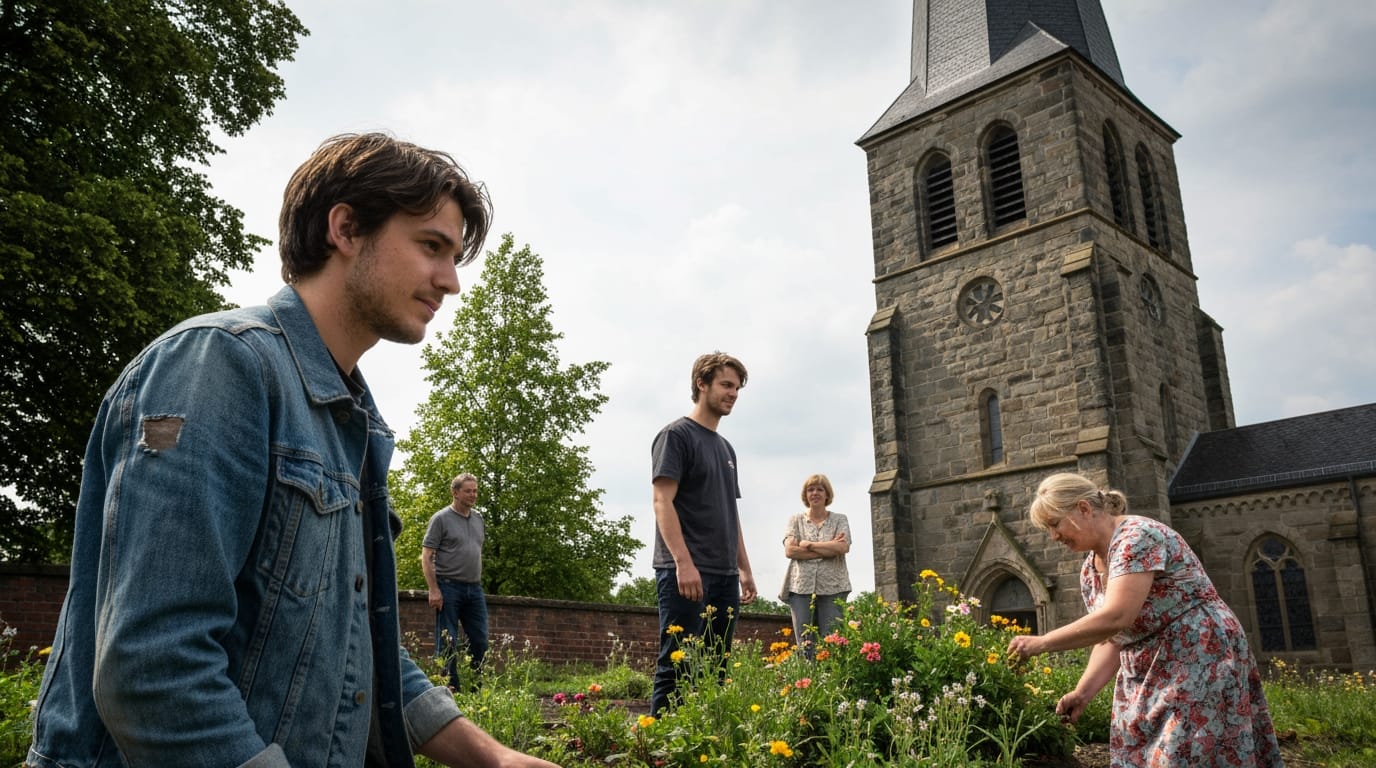
A cornerstone of Manifesta 16's approach is its commitment to inclusivity and participatory practices. Leading up to the biennial, a series of Citizen Consultations across the Ruhr Area engaged residents in shaping the themes and structures of the event, ensuring that local perspectives inform the repurposing of these churches. An Open Call also invited regional social and cultural actors to propose projects for neighborhood transformation, encouraging a wide array of initiatives from choirs and tea ceremonies to children's dance schools.
The biennial has also facilitated collaborations, such as the "This Is Not a Church" workshop with architecture students from TU Dortmund, who explored ways to transform empty church buildings into communal hubs. The artistic team is intergenerational and interdisciplinary, bringing together diverse talents. International artists will contribute, with a notable representation of Polish artists at this edition, reflecting a strong emphasis on varied artistic languages and approaches. For instance, German artist Emil Walde is set to present a large-scale installation made of old, damaged wired-glass windows from Duisburg Central Station within a church’s confessional booths, while St. Anna Church in Gelsenkirchen will feature works by artists like Ming Wong. These artistic endeavors, coupled with educational and mediation programs, aim to address contemporary challenges such as disinformation and polarization by activating informal networks and promoting intercultural dialogue.
Reshaping a Legacy
Manifesta 16 Ruhr represents more than just a contemporary art exhibition; it is a profound exploration of heritage, urban regeneration, and the evolving role of public spaces in a rapidly changing society. By focusing on the postwar churches of the Ruhr, the biennial highlights a significant, yet often overlooked, chapter in architectural and social history. These structures, born from the rubble of war, became symbols of hope and community. Now, as they face obsolescence, Manifesta offers a compelling model for their continued relevance. The initiative not only preserves a unique architectural legacy but also reactivates these buildings as catalysts for new forms of collective imagination and civic engagement. Through artistic intervention and community collaboration, the biennial seeks to transform these silent sentinels into vibrant testaments of resilience, adaptation, and the enduring power of culture to reshape our environments and our shared future.