Massacre in Kwara: Dozens Slaughtered as Insurgency Deepens in Nigeria's Rural Heartland
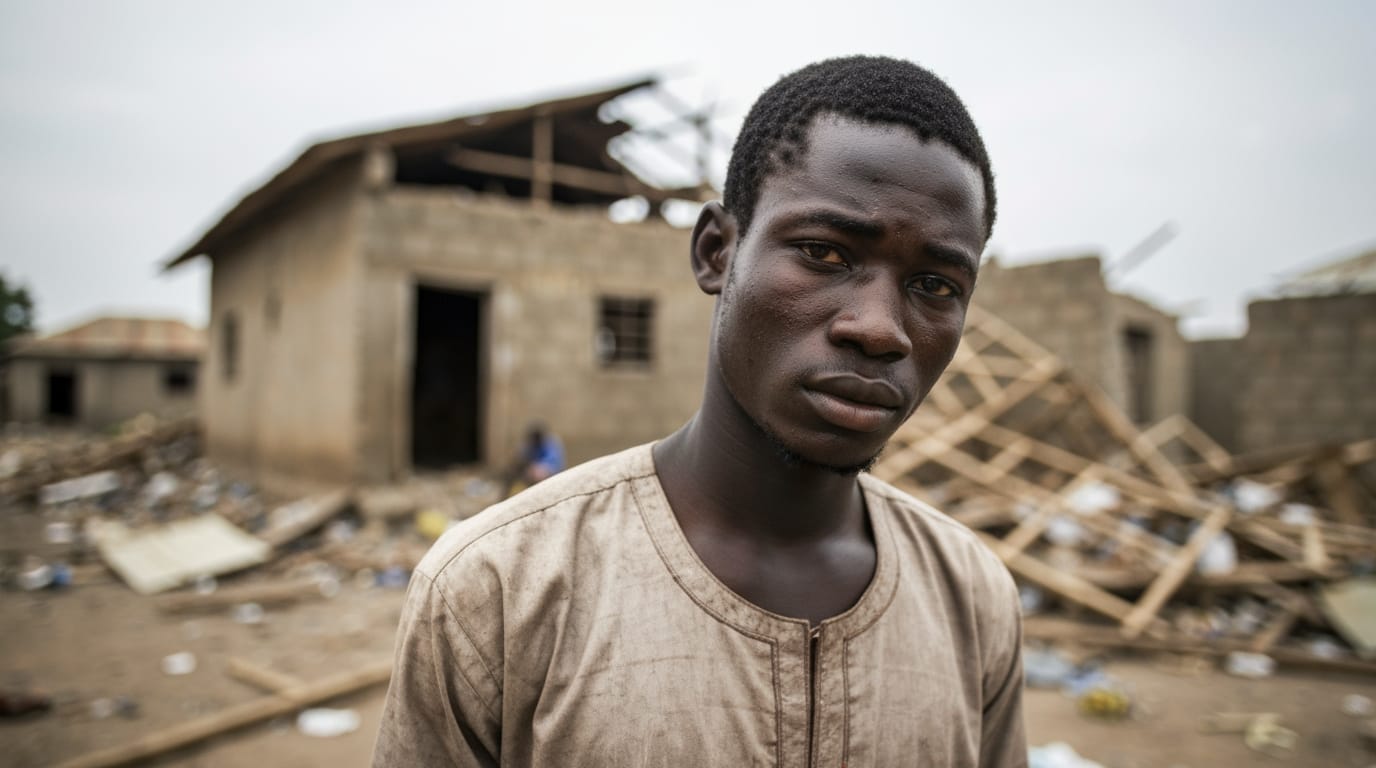
WORO AND NUKU, KWARA STATE, NIGERIA – In a harrowing escalation of Nigeria's persistent security crisis, more than 160 people were brutally killed in coordinated attacks on the remote villages of Woro and Nuku in Kwara State, western Nigeria, on the evening of February 3, 2026. The onslaught, attributed to the Islamic State-affiliated group Lakurawa, represents one of the deadliest assaults in recent months, exposing the profound vulnerability of rural communities to extremist violence. The rampage, which lasted for approximately ten hours, left behind a trail of destruction, displacement, and profound grief, underscoring the urgent need for a more effective response to the nation's burgeoning insecurity.
A Night of Unspeakable Terror
The coordinated attacks on Woro and Nuku, nestled near Nigeria's border with Benin, commenced with chilling efficiency. Armed militants, arriving on motorbikes, systematically moved from door to door, unleashing a torrent of gunfire and setting homes and shops ablaze. Residents who attempted to resist or flee faced immediate execution. Eyewitness accounts paint a grim picture of brutality, with many victims reportedly shot at close range, some with their hands tied behind their backs. In an act of profound desecration, attackers reportedly entered a mosque, issued the call to prayer, and then shot those who responded.
According to a local lawmaker, Mohammed Omar Bio, who represents the affected area, the death toll from the Woro and Nuku attacks stands at at least 162, a figure corroborated by the United Nations. However, human rights groups like Amnesty International suggest the figure could exceed 170, while residents engaged in the gruesome task of burying their dead reported discovering nearly 200 bodies, including charred remains. The militants reportedly demanded that villagers renounce their allegiance to the Nigerian state and adhere to Sharia Islamic law. When confronted with resistance, they opened fire. Beyond the immediate fatalities, at least 38 people, primarily women and children, were abducted during the raid, further amplifying the human tragedy. Survivors recounted a desperate ten-hour ordeal, largely without immediate intervention from security forces, who reportedly arrived hours after the attackers had retreated.
The Broader Canvas of Nigerian Insecurity
The Kwara State massacre is not an isolated incident but rather a stark manifestation of a widespread and deteriorating security landscape across central and northern Nigeria. Just days prior, separate attacks claimed additional lives. In northern Katsina State, at least 21 people were killed in an attack where gunmen moved house-to-house, breaking a six-month peace agreement between the community and the armed group. Concurrently, in Niger State's Borgu district, three villages were raided by "bandits" on motorbikes, resulting in at least 30 deaths and the burning of hundreds of homes. These attacks also involved mass abductions, with police confirming at least six fatalities in Tunga-Makeri village alone.
The perpetrators of these acts range from well-known insurgent groups like Boko Haram and the Islamic State West Africa Province (ISWAP) to increasingly ruthless "bandit" gangs engaged in kidnappings for ransom and territorial control. The Lakurawa group, identified as responsible for the Kwara attacks, is believed to be affiliated with ISWAP. Kwara State Governor AbdulRahman AbdulRazaq suggested the Woro and Nuku attacks might have been carried out in retaliation for recent counterterrorism operations. This assertion is supported by reports of U.S. airstrikes in December 2025 targeting IS-affiliated militants in northwestern Nigeria, potentially forcing them southward into Kwara State. The persistent violence highlights a critical challenge for Nigerian authorities struggling to contain a multi-faceted insurgency that exploits vast ungoverned spaces and weak state presence.
Deep Roots and Devastating Human Cost
The surge in rural insecurity in Nigeria is rooted in a complex interplay of socio-economic and environmental factors. Chronic poverty, high unemployment rates, and widespread illiteracy create a fertile ground for recruitment into various armed groups. Compounding these issues are resource conflicts, particularly between farming communities and nomadic herders, exacerbated by climate change and desertification, leading to increased competition over dwindling land and water resources. The proliferation of illegal firearms, weak governance, and perceived corruption further undermine the state's capacity to protect its citizens.
The consequences of this pervasive insecurity are catastrophic for millions. Over 3 million Nigerians have been displaced from their homes, forced to abandon their livelihoods and seek refuge in safer areas, often in internally displaced persons (IDP) camps. Rural economies, heavily reliant on agriculture, have been crippled as farmers are too fearful to cultivate their fields, leading to widespread food shortages and a rise in food prices. The psychological trauma inflicted on survivors and entire communities is immeasurable, as many grapple with the loss of loved ones, homes, and their sense of security. As one resident of Woro lamented amidst the burial of nearly 200 bodies, "Even as I am speaking to you, we have not finished packing the bodies. There are not enough people left in the village." The remote locations of many affected villages, often hours from state capitals, pose significant logistical challenges for relief efforts and timely security responses.
Calls for Greater Protection and Lasting Solutions
The international community, including the United Nations, has strongly condemned the recent attacks, with Secretary-General António Guterres extending condolences and emphasizing the importance of bringing perpetrators to justice. While the Nigerian government has reiterated its commitment to combating terrorism and banditry, the ongoing atrocities underscore the immense challenges faced by its security forces. Communities continue to call for greater protection and a more robust, proactive approach from authorities.
Addressing Nigeria's rural insecurity demands a comprehensive and multi-pronged strategy. Beyond military operations, which have been intensified in recent weeks, there is a critical need for improved intelligence gathering, enhanced community policing, and swift justice for those responsible for these heinous acts. Long-term solutions must tackle the root causes of radicalization and banditry, including poverty alleviation, educational opportunities, and resolving farmer-herder conflicts through sustainable land management practices. Without a concerted effort to restore peace, rebuild trust, and address the underlying grievances that fuel violence, the rural heartland of Nigeria risks further descent into chaos, with its most vulnerable populations bearing the heaviest cost.


