Melodies Across Divides: How Iranian and Israeli Musicians Forge Unity Through Art
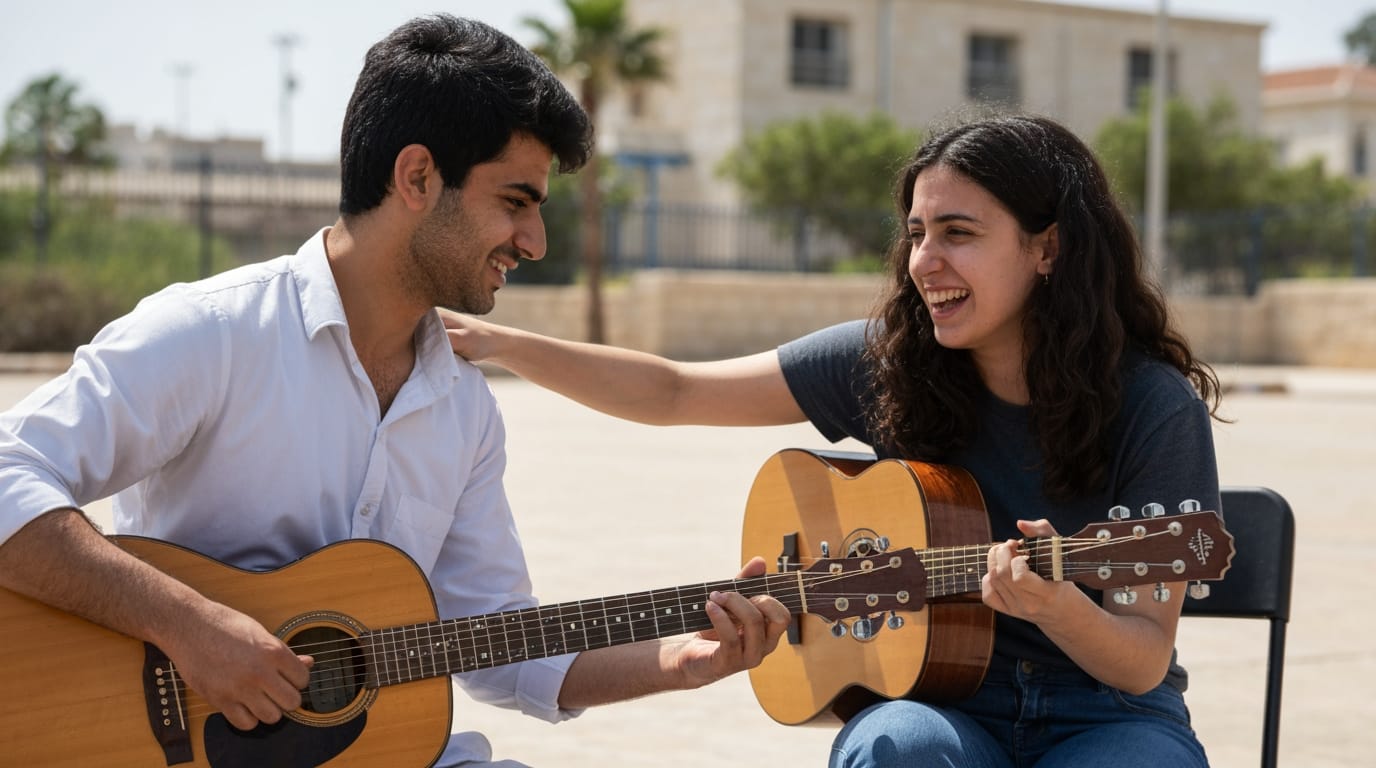
In a geopolitical landscape often defined by deep-seated animosity and escalating tensions, a powerful counter-narrative is emerging from an unexpected quarter: music. Despite decades of political hostility and government prohibitions against collaboration, Iranian and Israeli musicians are increasingly finding common ground, using melody and rhythm to build bridges where official diplomacy has faltered. These artistic endeavors, often undertaken in secret or in neutral territories, illuminate a shared humanity that transcends national borders and political ideologies, offering a resonant message of hope and understanding.
The relationship between Iran and Israel has been characterized by profound antagonism since the 1979 Islamic Revolution, with Iran often referring to Israel as an enemy and imposing strict penalties, including potential arrest, for any collaboration with Israelis. This hostile environment shapes perceptions on both sides, making any form of direct engagement fraught with risk. Yet, it is precisely this backdrop of severe political division that has propelled artists to defy the status quo, utilizing music as a universal language to express a longing for peace and mutual respect among their respective populations.
One of the most prominent examples of this artistic defiance comes from Israeli-Iranian singer Liraz Charhi. Known for her acting roles, including in the spy thriller "Tehran," Charhi has embarked on a clandestine musical mission to connect with Iranian artists. For her albums "Zan" (2020) and "Roya" (2022), Charhi secretly collaborated with Iranian musicians, recording tracks in Istanbul and communicating through encrypted messaging applications. These Iranian collaborators, some of whom asked to use pseudonyms, faced serious repercussions, including potential arrest, if their involvement were discovered. Charhi recounted the immense emotional difficulty and fear involved, yet the desire to foster a rare sense of unity through music pushed her and her collaborators forward. Her efforts aimed to revive a lively 1970s Iranian pop scene through electro-dance tracks, presenting a cultural dialogue often stifled by political decree.
Beyond individual artistic endeavors, ensembles have also formed across the divide. The Berlin-based musical group Sistanagila, initiated by Iranian expatriate Babak Shafieian and Israeli musician Yuval Halpern, stands as a testament to the possibility of cultural dialogue. Shafieian, who moved to Germany as a young adult, founded the project approximately 15 years ago to actively oppose the antisemitic rhetoric propagated by Iran's then-president. He was inspired by his family's musical heritage and the precedent set by Daniel Barenboim's West-Eastern Divan Orchestra, which brings together Jewish and Palestinian musicians. Halpern, initially cautious about an email from an Iranian, eventually joined the project, realizing the unique opportunity for merging musical traditions, including Persian classical music, Jewish chants, and Klezmer melodies. Both musicians acknowledge that such a collaboration could only flourish in a neutral setting like Berlin, highlighting the significant political obstacles that persist in their homelands.
More public demonstrations of unity have also taken place, challenging prevailing narratives. In 2017, Israeli rock musician Aviv Geffen shared a stage in Tel Aviv with Iranian dissident artist Shahin Najafi, performing a Hebrew-Farsi fusion of Geffen's "The Hope Song" to an enthusiastic audience of 6,000. This rare event was a deliberate attempt to showcase that ordinary people from both nations can indeed find common ground, despite the bitter enmity between their governments. Najafi, no stranger to controversy, expressed that his participation was an act of artistic freedom, emphasizing music's power to dismantle divisions. Similarly, in a more recent collaboration amidst ongoing conflict, Israeli worship leader Emanuel Roro teamed up with Iranian worship leader Ojeny Sarkissian (based in Armenia) to release a bilingual cover of "The Blessing" in Hebrew and Farsi. This project aimed to spread a message of hope and unity, illustrating music's role in providing solace and connection during turbulent times.
These collaborations, whether discreet or public, serve as powerful acts of artistic resistance. They underscore the profound human need for connection and creative expression, particularly when official channels are closed or fraught with danger. The musicians involved often navigate significant personal and political risks, yet their commitment to transcending boundaries through their art remains steadfast. Their work demonstrates that culture can act as a crucial bridge, fostering empathy and understanding that can be difficult to achieve through political discourse alone.
Ultimately, the unifying power of music between Iranians and Israelis offers a compelling testament to the resilience of human spirit in the face of adversity. These artistic dialogues, though small in number, carry immense symbolic weight, challenging rigid nationalistic narratives and demonstrating the potential for connection between peoples separated by political divides. They provide a vital reminder that beneath the surface of geopolitical tensions, there exists a shared humanity capable of harmonious creation, suggesting that melodies, not mandates, might one day pave the way for true peace.