Merz Seeks to Calm Tensions as U.S. Threatens Troop Pullback Amid Iran Spat
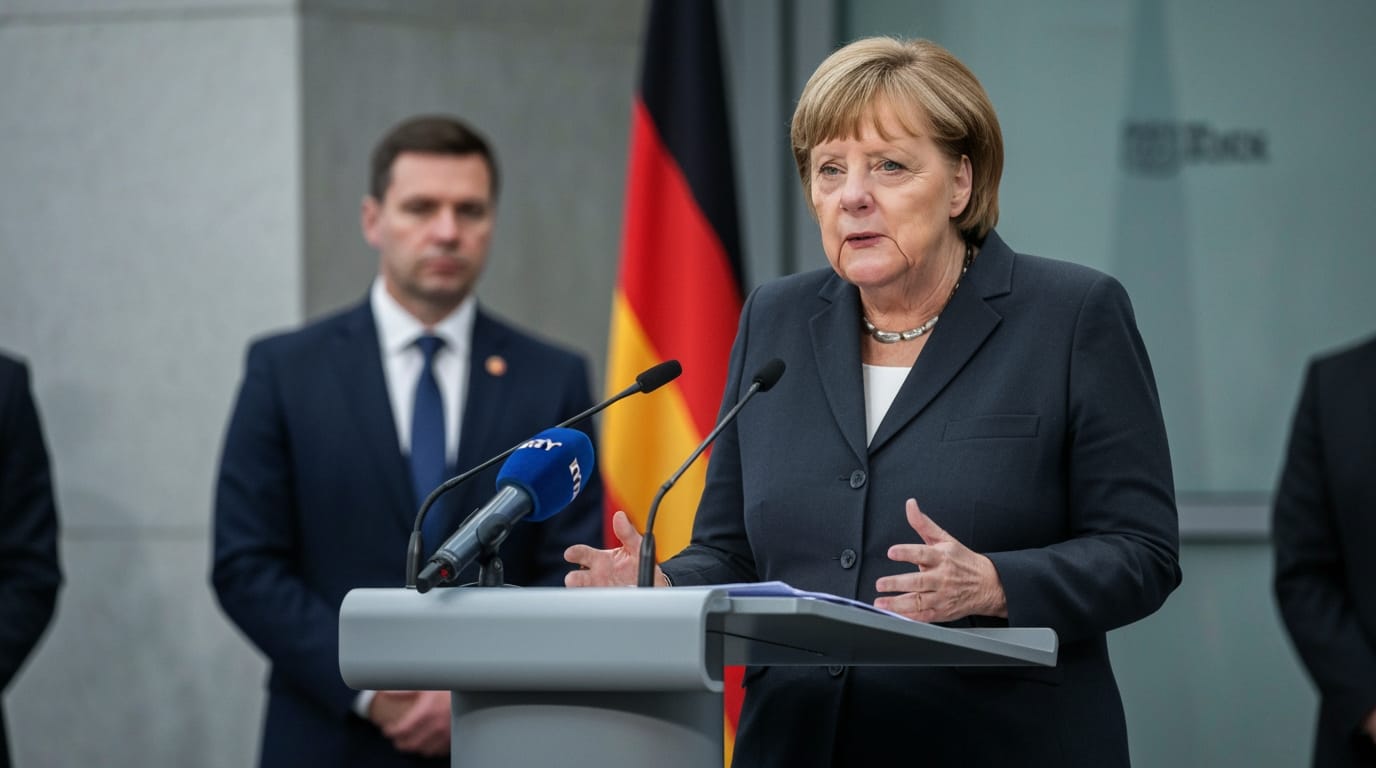
BERLIN – German Chancellor Friedrich Merz has moved to temper concerns over renewed threats by the United States to significantly reduce its military presence in Germany. The potential withdrawal, which President Donald Trump indicated could go "a lot further" than an initially announced 5,000 troops, follows a public spat between the two leaders regarding Washington's strategy in the ongoing conflict with Iran. Merz's efforts highlight the delicate balance Germany navigates in maintaining its crucial transatlantic alliance amidst escalating rhetoric and shifting geopolitical dynamics.
The recent friction underscores the enduring challenges in the U.S.-German relationship, particularly under the Trump administration, and spotlights the strategic importance of Germany as a host nation for thousands of American service members and critical military infrastructure.
A Diplomatic Rift Ignites Withdrawal Threats
The latest strain on transatlantic ties emerged after Chancellor Merz openly criticized the U.S. approach to the war in Iran, suggesting that Washington was being "humiliated" by Tehran at the negotiating table and lacked a clear strategy. These remarks drew sharp rebukes from President Trump, who responded by threatening to drastically cut the U.S. troop contingent in Germany. On Friday, the Pentagon announced plans to withdraw approximately 5,000 troops, a move that President Trump subsequently stated would be expanded.
This is not the first instance of the Trump administration contemplating such a withdrawal; similar threats were floated during his previous term, often tied to demands for increased defense spending from NATO allies. However, the current context is exacerbated by the highly charged debate surrounding the U.S. engagement in Iran and perceived European reluctance to fully support these operations. A senior Pentagon official reportedly characterized Germany's recent rhetoric as "inappropriate and unhelpful," indicating that the troop decision was, in part, a reaction to these critical comments. Adding to the tensions, the planned deployment of a U.S. long-range fires battalion to Germany has also been cancelled, which some analysts fear further weakens European defense capabilities.
German Leadership Downplays, Reaffirms Alliance
In the aftermath of President Trump's statements, Chancellor Merz moved quickly to de-escalate the situation, asserting in a television interview that there was "no connection" between his criticism of U.S. Iran policy and the decision to withdraw troops. He emphasized the United States as Germany's "most important partner in NATO" and stressed his commitment to preserving and developing the alliance. Merz expressed his determination not to "give up on working on the transatlantic relationship" or with President Trump, acknowledging a different view on the Iran conflict but maintaining the shared goal of preventing Iran from obtaining nuclear weapons.
German Defense Minister Boris Pistorius echoed a pragmatic tone, stating that a U.S. troop drawdown was "foreseeable" and should serve as a catalyst for European nations to enhance their own defense capabilities. Pistorius highlighted Germany's ongoing efforts to modernize its Bundeswehr, increase military spending, and strengthen the "European pillar within NATO." This official German stance suggests a strategic adaptation to recurring U.S. pressures for greater burden-sharing rather than outright panic. Peter Beyer, a foreign policy official from Merz's CDU party, further suggested that Trump's actions might be "less like the expression of a coherent strategy and more like a political reflex and a reaction born of frustration" amid domestic and international pressures.
The Enduring Strategic Footprint of U.S. Forces
The presence of U.S. military forces in Germany dates back to the end of World War II and solidified during the Cold War, serving as a critical bulwark against Soviet expansion. At its peak, hundreds of thousands of American troops were stationed in West Germany. While numbers have significantly decreased since the fall of the Berlin Wall, Germany remains the largest host for U.S. troops in Europe, with approximately 36,000 to 40,000 active-duty personnel before the recent announcements.
These forces are not solely for the defense of Germany but serve as a vital staging and logistical hub for U.S. operations across Europe, Africa, and the Middle East. Key installations like Ramstein Air Base, a major transit point for troops and cargo, and Landstuhl Regional Medical Center, the largest U.S. hospital abroad, are indispensable to global American military efforts, including recent operations in Iran, Iraq, and Afghanistan. Defense analysts highlight that significant reductions could incur substantial costs for the U.S. to replicate this infrastructure elsewhere.
Broader Implications for NATO and European Security
The potential withdrawal has drawn concern from various quarters, including some U.S. Republican lawmakers who fear it sends the "wrong signal" to Russia, particularly given the ongoing conflict in Ukraine. Critics argue that prematurely reducing America's forward presence in Europe risks undermining deterrence and stability. NATO, for its part, has stated it is "working with the U.S. to understand the details" of the decision, while also underscoring the need for Europe to "continue to invest more in defence and take on a greater share of the responsibility" for shared security.
This sentiment aligns with a growing call for greater European strategic autonomy, a concept gaining traction as U.S. commitment appears less certain. The withdrawal threats could accelerate European defense integration efforts, pushing nations like Germany to further bolster their military capabilities and assume more regional security responsibilities. However, the economic and logistical challenges of replacing U.S. capabilities remain significant.
Navigating an Evolving Alliance
The recent exchange between Berlin and Washington illuminates the complexities of the transatlantic alliance in an era of heightened global instability. While Chancellor Merz publicly plays down the immediate impact of the troop withdrawal plans, his government's proactive steps toward strengthening German and European defense capabilities signal an awareness of evolving realities. The U.S. military presence in Germany, a legacy of post-war reconstruction and Cold War solidarity, faces ongoing scrutiny and re-evaluation. As both sides navigate these challenges, the future shape of NATO and the broader European security architecture will hinge on a delicate balance of shared interests, burden-sharing, and a mutual commitment to collective defense. The current situation serves as a potent reminder that even long-standing alliances are subject to political pressures and strategic recalibrations, continually demanding diplomatic dexterity and strategic foresight from all parties involved.


