Mexico Abruptly Shortens School Year for World Cup and Summer Heat, Igniting Nationwide Debate
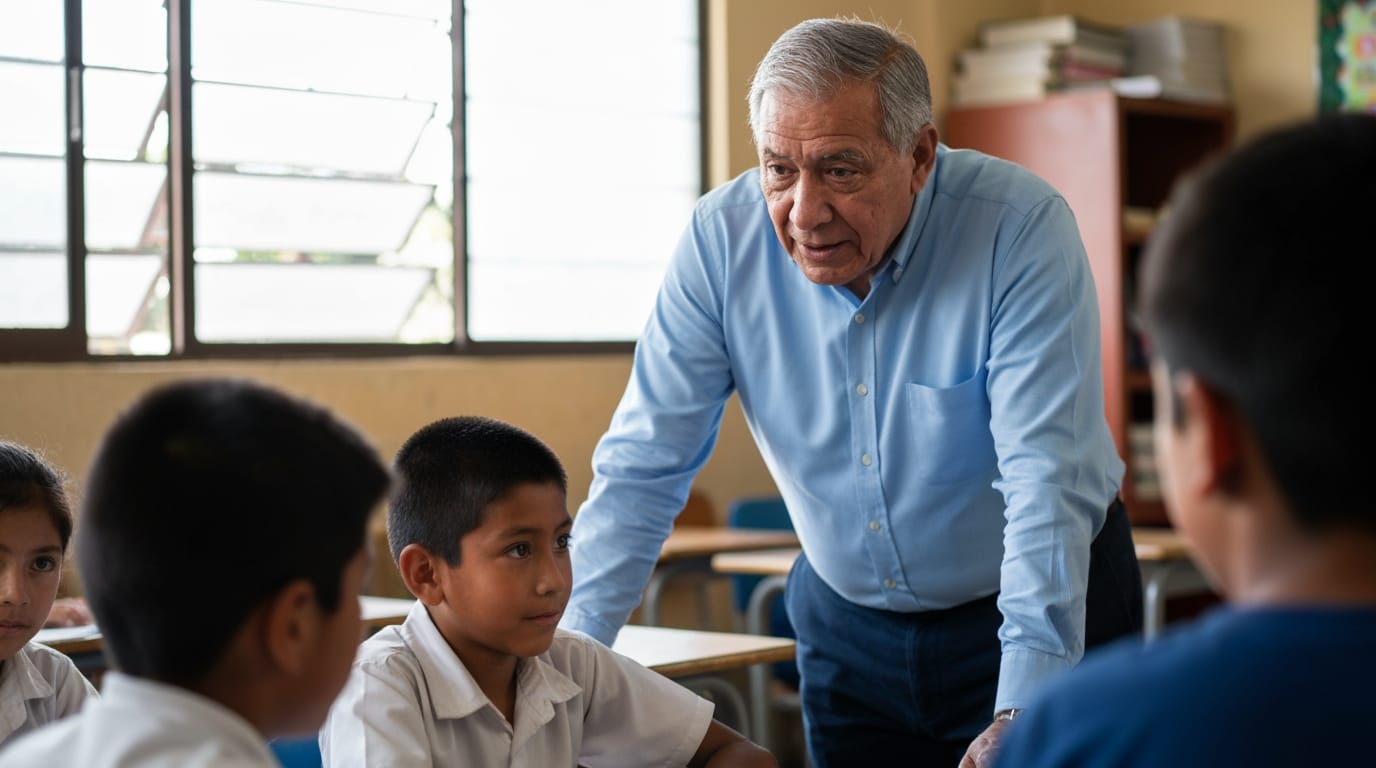
Mexico's Ministry of Public Education has announced a controversial decision to cut the current academic year short by more than a month, citing both anticipated summer heatwaves and the upcoming 2026 FIFA World Cup. The unexpected move, which will see schools nationwide close their doors on June 5 instead of the originally scheduled July 15, has ignited immediate and significant backlash from parents, educators, and public policy experts, who are voicing deep concerns about the impact on students' learning and the profound disruption to family planning.
The sweeping change to the academic calendar, set forth by the Ministry of Public Education (SEP), grants students an additional 40 days of summer vacation. The 2025-2026 school year, initially slated to conclude in mid-July, will now end on June 5, over a month ahead of schedule, while the subsequent 2026-2027 academic year remains set to begin on August 31. Secretary of Education Mario Delgado confirmed the modification, attributing it to a confluence of factors, including a recent, intense heatwave impacting various states across the nation and Mexico's co-hosting duties for the 2026 FIFA World Cup. The government indicated that the decision was made, in part, to allow children to fully engage with the global sporting event, with the World Cup set to kick off on June 11 when Mexico plays its opening match.
The ramifications of this abrupt shift are far-reaching, affecting an estimated 32.6 million students across public and private institutions, from preschool through high school. While the declared reasons include mitigating the effects of rising summer temperatures, critics quickly pointed out that intense heat is a recurring challenge in many parts of Mexico, often extending into September, and has not historically prompted such a drastic alteration to the school year. This suggests that the World Cup, a monumental event for a football-loving nation, served as a primary, if not the dominant, impetus for the decision. The 2026 FIFA World Cup, co-hosted by Mexico, the United States, and Canada, will run from June 11 to July 19, with Mexico hosting matches in major cities such as Mexico City, Guadalajara, and Monterrey.
The educational implications of losing more than a month of instruction time have become a central point of contention. Public policy think tanks, such as Mexico Evalua, have warned that the early closure will further erode learning time, exacerbating existing educational underachievement and widening inequalities that have long plagued the Mexican educational system. Concerns have been raised that the shortened calendar makes it "practically impossible to teach the complete curriculum" to the millions of affected students, potentially creating significant learning gaps. Teachers have voiced their displeasure, noting a lack of consultation in the decision-making process and predicting an increased workload as they scramble to cover essential material in a condensed timeframe. These professional concerns underscore the operational challenges that such a large-scale, last-minute change introduces into an already complex educational framework.
Beyond the classroom, the decision has created an immediate logistical and financial burden for millions of Mexican families. Parents, many of whom coordinate their work schedules and summer plans around the established academic calendar, are now faced with finding childcare solutions for an additional 40 days. This unexpected need for extended supervision poses a significant challenge, particularly for working parents, and has raised worries about its potential impact on family incomes and the broader labor market. The National Association of School Parents (UNPF) has "energetically rejected" the SEP's decision, describing it as an "unacceptable error" and expressing "deep indignation". The organization argued vehemently that children's education should not be sacrificed for a sporting event, especially one hosted in only a fraction of the country's municipalities. Business associations, including Coparmex, echoed these sentiments, labeling the move "hasty" and predicting widespread disruptions.
Amidst the growing chorus of criticism, President Claudia Sheinbaum initially appeared to temper the announcement, describing it as merely a "proposal" and not yet a definitive calendar. This slight wavering from the presidential office highlights the intensity of the public backlash and suggests that the government may be reassessing the full scope of its decision. The debate underscores a fundamental tension between national enthusiasm for a major cultural event like the World Cup and the foundational importance of a consistent and robust educational system. As Mexico prepares to embrace its role as a World Cup host, the government faces the delicate task of balancing national pride with the imperative to safeguard its children's academic future. The controversy surrounding the school year's premature end will undoubtedly continue to be a focal point of discussion as the nation navigates the challenges of both climate and celebration.


