Mexico City Ignites Historic 2026 FIFA World Cup, Ushering in Expanded Global Spectacle
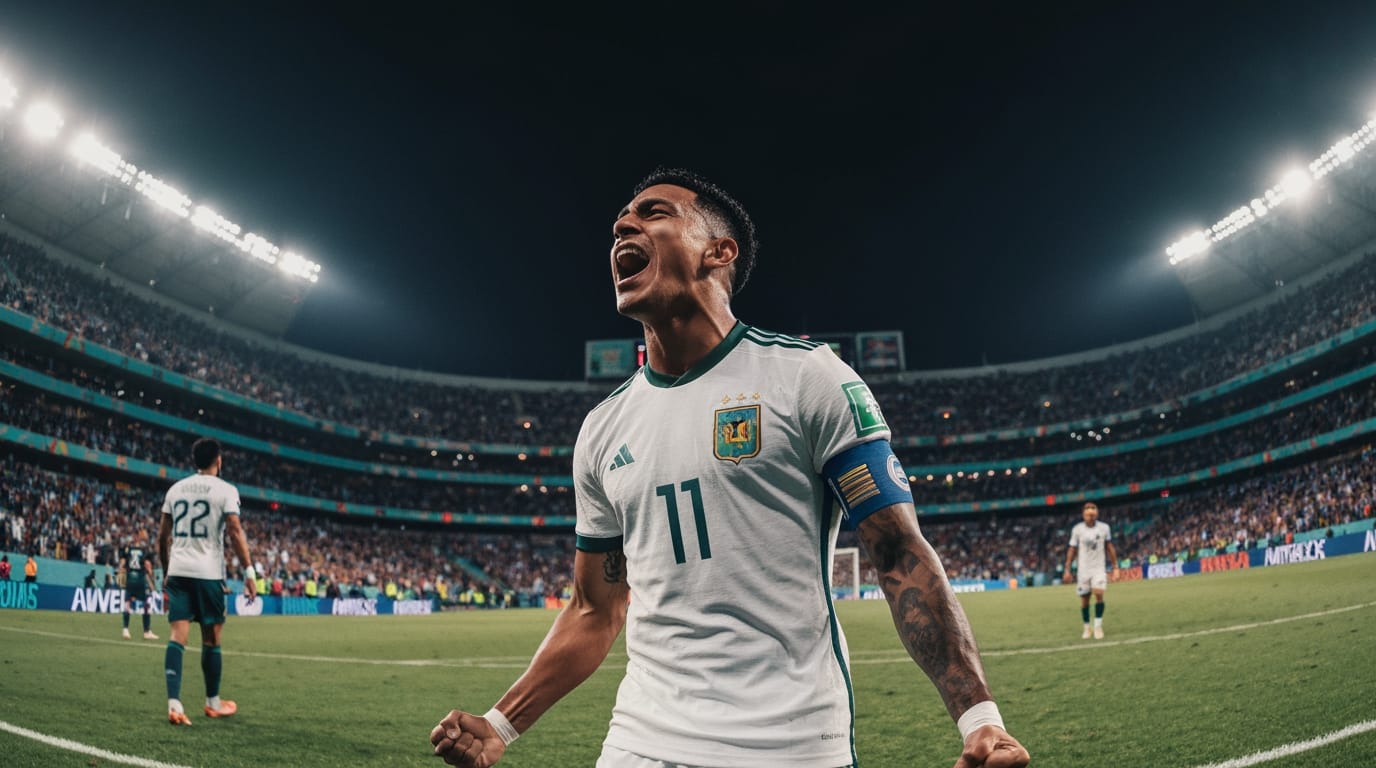
Mexico City, Mexico – The much-anticipated 2026 FIFA World Cup officially commenced today, Thursday, June 11, with a vibrant opening ceremony and the tournament's inaugural match held at the iconic Mexico City Stadium, known historically as Estadio Azteca. This monumental event marks a new chapter in football history, as the host nation Mexico faced South Africa in a Group A clash, initiating the largest World Cup ever staged.
The capital of Mexico is at the heart of this historic occasion, making the legendary venue the first stadium globally to host three FIFA World Cup opening matches. The expanded tournament will see 48 national teams vying for glory across 104 matches, significantly increasing from the previous 32-team format.
A Grand Opening steeped in Tradition and Modernity
The day began with an energetic opening ceremony at the Mexico City Stadium, a spectacle that blended rich Mexican cultural heritage with international flair. A star-studded lineup of performers took the stage, featuring global artists such as Shakira, Burna Boy, J Balvin, and Mexico's own Belinda, Alejandro Fernández, Lila Downs, Los Ángeles Azules, and Maná. The performances brought to life "Dai Dai," the official song of the 2026 FIFA World Cup, setting a festive tone for the month-long tournament. The ceremony, which commenced at 11:30 a.m. local time (1:30 p.m. ET), served as the prelude to the opening match between Mexico and South Africa. This particular matchup held a unique significance, being a repeat of the 2010 World Cup opener when South Africa first hosted the tournament. The stadium, with a tournament capacity of 80,824 spectators, was a sell-out for this momentous occasion, with anticipation building for both the on-field action and the surrounding celebrations.
Estadio Azteca: A Living Monument of Football History
Mexico City's Estadio Azteca stands as a testament to football's enduring legacy, solidifying its place in sporting lore by becoming the first stadium to host matches in three separate World Cups. Beyond hosting the opening games of 1970, 1986, and now 2026, the venerable arena also famously staged the World Cup finals in both 1970, where Pelé led Brazil to victory, and in 1986, where Diego Maradona etched his name in history with Argentina's triumph.
In preparation for the 2026 tournament, the stadium underwent extensive renovations, costing approximately 2 billion Mexican pesos (around €110 million). These upgrades included facade restoration, the installation of advanced LED lighting systems, revamped changing rooms, a new player tunnel, high-resolution LED screens, and the replacement of all seating. For the duration of the World Cup, the venue will be officially referred to as Mexico City Stadium, adhering to FIFA regulations. The iconic stadium is scheduled to host five matches in total: three group-stage games, including two featuring the Mexican national team on June 11 and June 24, a Round of 32 match on June 30, and a Round of 16 encounter on July 5.
A New Era for the FIFA World Cup: Expansion and Collaboration
The 2026 FIFA World Cup represents a significant evolution of the global tournament. For the first time, the event is being co-hosted by three nations—the United States, Canada, and Mexico—across 16 cities. The tournament now features an expanded format with 48 teams, a substantial increase from the 32 teams that participated in previous editions. These teams are divided into 12 groups of four, with the top two from each group and the eight best third-placed teams advancing to a newly introduced Round of 32 knockout stage. This expanded structure means the tournament will span 39 days, running from June 11 to July 19, and will feature a total of 104 matches, 40 more than in 2022. The unprecedented scale aims to boost global participation and offer more nations a chance to compete on football's biggest stage.
Economic Currents and Cultural Celebrations Beyond the Pitch
The FIFA World Cup serves as a powerful economic and cultural catalyst for host cities, and Mexico City is poised to experience a significant impact. Hosting such a large-scale international event brings accelerated urban transformation, prompting upgrades to transportation systems, renovations of neighborhoods, and enhancements to public spaces. The influx of millions of visitors, teams, and media personnel is expected to generate substantial economic activity in sectors such as hospitality, tourism, and local retail, creating temporary jobs and intensifying business.
However, the economic landscape for host cities can be complex. While the tournament generates billions in revenue, much of it flows to FIFA, leaving host cities to grapple with significant costs for infrastructure, security, and operations, which can often exceed $100 million. Despite these financial considerations, the World Cup offers invaluable global visibility and a boost to civic pride. Beyond the stadiums, Mexico City plans to host a vibrant official Fan Festival at the historic Zócalo (Plaza de la Constitución), featuring giant screens for match broadcasts, live music, cultural programming, and local vendors, ensuring a festive atmosphere for residents and tourists alike.
The 2026 FIFA World Cup marks a new era in international football, distinguished by its expanded format and unprecedented co-hosting arrangement. As Mexico City lights the flame of this colossal tournament, its historic Estadio Azteca once again takes center stage, connecting generations of football fans and setting the precedent for a truly global celebration of the beautiful game. The coming weeks will undoubtedly deliver thrilling matches, memorable moments, and a unifying spirit that transcends borders.


