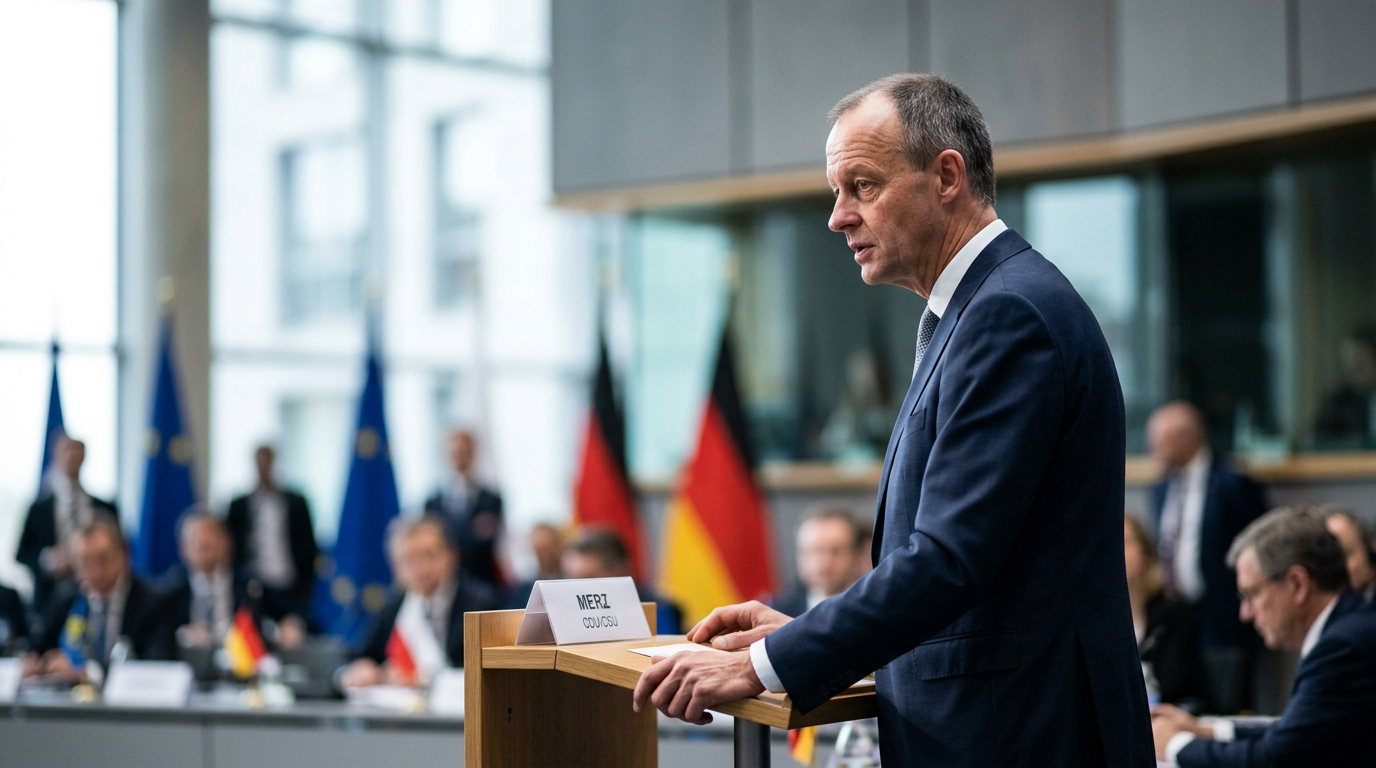
Mexico Pledges Critical Humanitarian Aid to Cuba Amid Escalating US Pressure
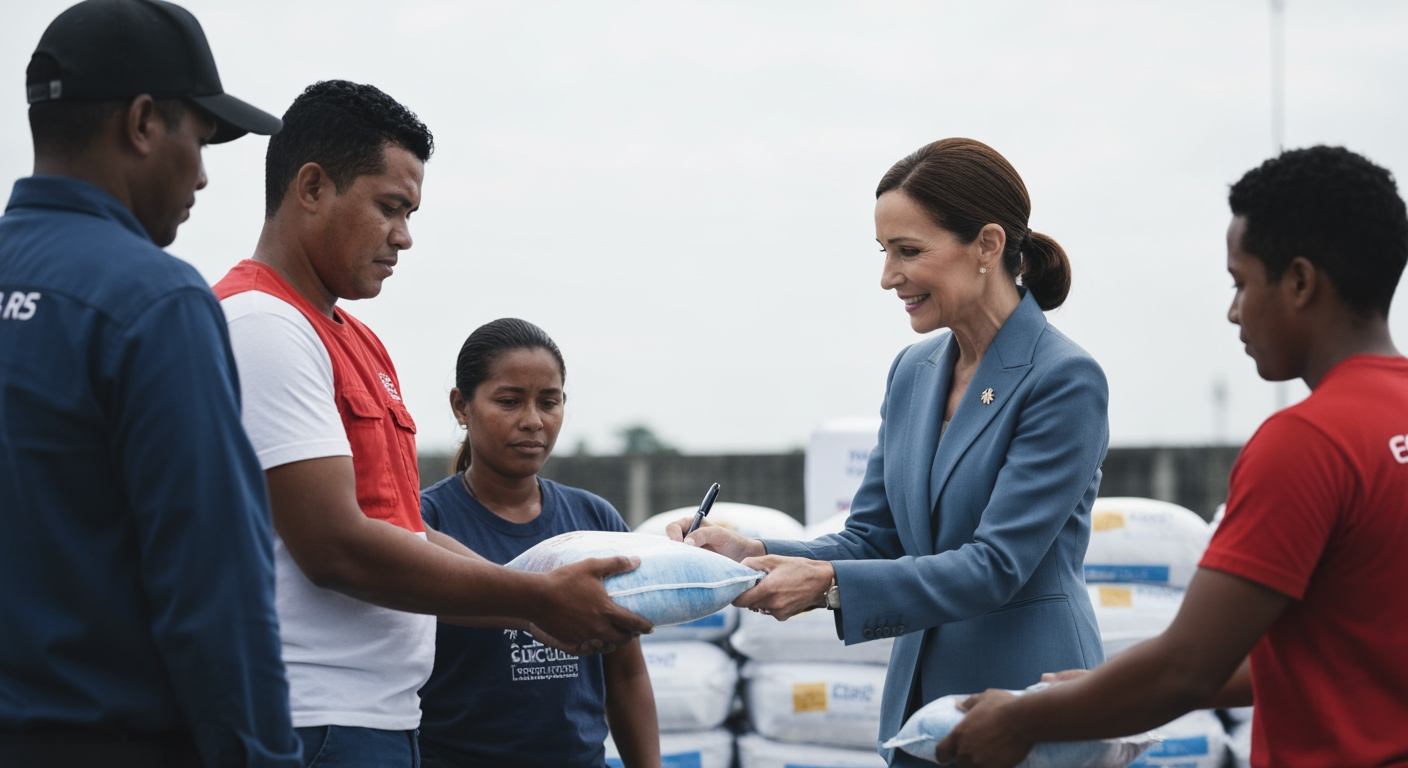
MEXICO CITY – Mexican President Claudia Sheinbaum announced Sunday that Mexico will dispatch a significant shipment of humanitarian aid to Cuba, including food, medical supplies, and other essential products, in a move that underscores Mexico's commitment to its long-standing ally despite increasing pressure from the United States. The decision comes as Cuba grapples with a severe energy and economic crisis, threatening to deepen an already dire humanitarian situation across the island nation.
Cuba's Deepening Crisis Prompts Urgent Call for Aid
Cuba is currently facing an acute energy and economic crisis, which has led to widespread shortages of essential goods, prolonged blackouts, and significant disruptions to transportation and medical services. The situation has been particularly challenging since late 2024, exacerbated by the devastating impact of Hurricane Rafael in November 2024. These compounding factors have severely strained the island's infrastructure and the well-being of its population, creating an urgent need for international assistance. President Sheinbaum highlighted the potential for a far-reaching humanitarian crisis if aid, particularly energy supplies, is curtailed, emphasizing the critical role of electricity for hospitals, refrigeration, and basic services.
Mexico's Stance: Solidarity and Sovereignty Under Scrutiny
President Sheinbaum's announcement arrives amidst a backdrop of heightened geopolitical tension, specifically concerning U.S. efforts to curtail energy supplies to Cuba. U.S. President Donald Trump publicly urged Mexico to suspend its energy exports to Havana, and subsequently signed an executive order threatening tariffs on any country that "directly or indirectly provides oil to Cuba." This directive places Mexico in a delicate diplomatic position, balancing its traditional solidarity with Cuba against potential economic repercussions from its northern neighbor.
Sheinbaum, speaking from Sonora, reiterated Mexico's sovereign right to conduct its foreign policy and emphasized a commitment to finding diplomatic solutions that prevent a humanitarian crisis in Cuba without compromising Mexico's relationship with Washington. She asserted that while Mexico seeks to avoid risks, its policy is consistently guided by solidarity with the Cuban people. The Mexican president also stated that she had a productive conversation with President Trump, though she explicitly denied discussing Cuban affairs during their call, contradicting Trump's earlier claims that he had asked her to cease oil shipments to the island and that she had complied.
The Pivotal Role of Oil in Mexican Aid
A significant component of Mexico's assistance to Cuba has been, and continues to be, oil. Following the U.S. military operation in early January that led to the capture of Venezuelan President Nicolás Maduro and the subsequent U.S. control over Venezuela's oil industry, Mexico emerged as Cuba's primary oil supplier.
Sheinbaum clarified that oil deliveries to Cuba operate through two distinct channels: commercial contracts established between Mexico's state-owned oil company, Pemex, and Cuban government institutions, and direct humanitarian aid which also includes oil. This distinction is crucial as Mexico navigates the U.S. tariff threats. Records indicate a significant increase in Mexican fuel and oil shipments to Cuba during Sheinbaum's presidency, with reports showing that a Pemex subsidiary sent $3 billion worth of gasoline, diesel, and oil in 58 shipments between May and August 2025. This volume reportedly tripled the total shipments of the preceding six years within a mere five-month period. Pemex supplied approximately 20,000 barrels of crude oil per day to Cuba from January through September 2025.
While there were recent reports suggesting a temporary suspension or slowdown of oil shipments, with the last recorded delivery of 88,000 barrels on January 9, 2026, Sheinbaum clarified that the humanitarian aid, including oil, remains ongoing. She stressed that the objective is to prevent a catastrophic humanitarian situation, reiterating Mexico's long-standing policy of solidarity with nations in need.
Coordinating Efforts and Diplomatic Maneuvers
The newly announced humanitarian aid will be coordinated by the Mexican Secretary of the Navy, ensuring an organized delivery of the vital supplies. Furthermore, Mexico is engaging with the U.S. State Department to seek clarification on the scope and implications of President Trump's executive order concerning tariffs on oil suppliers to Cuba. This diplomatic overture highlights Mexico's attempt to de-escalate tensions and find a viable path to continue its humanitarian support for Cuba without jeopardizing its broader economic and political relationship with the United States.
Mexico's decision to press forward with humanitarian aid to Cuba, particularly including energy resources, underscores its historical ties and commitment to the island's welfare. This move, however, places a renewed spotlight on the intricate and often challenging diplomatic dance between Mexico City and Washington, particularly as the U.S. seeks to exert pressure on the Cuban government. The coming weeks will likely reveal the full diplomatic and logistical challenges Mexico faces in delivering this critical assistance while navigating an increasingly complex international landscape.
Related Articles

Ratko Mladić, "Butcher of Bosnia" and Convicted War Criminal, Dies at 84
THE HAGUE, Netherlands – Ratko Mladić, the former Bosnian Serb military commander known as the "Butcher of Bosnia" and convicted of genocide, war crimes, and crimes against humanity, has died at the age of 84. Serbian...


Long-Awaited 9/11 Mastermind Trial Set for 2028, Decades After Attacks
GUANTANAMO BAY, Cuba – Nearly a quarter-century after the devastating terror attacks of September 11, 2001, a military judge has finally set a trial date for Khalid Sheikh Mohammed, the alleged mastermind behind the...