Modi and Yunus Meet Amidst Shifting Geopolitical Landscape
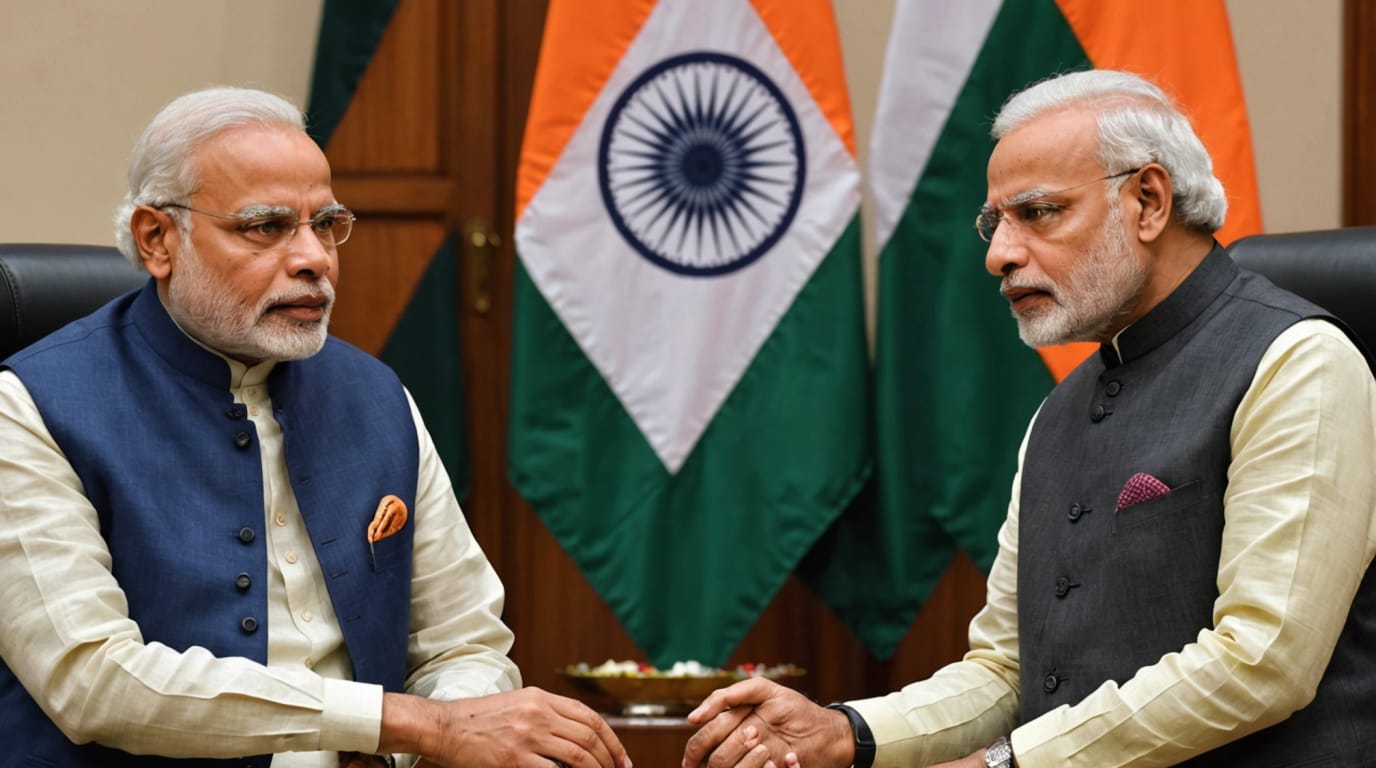
In a significant development signaling potential shifts in regional dynamics, Indian Prime Minister Narendra Modi met with Muhammad Yunus, the Chief Advisor of Bangladesh's interim government, on Friday in Bangkok, Thailand. This marks the first formal engagement between the two leaders since the ousting of former Prime Minister Sheikh Hasina in August 2024, a longtime ally of India, and her subsequent exile to Delhi. The meeting, held on the sidelines of the Bay of Bengal Initiative for Multi-Sectoral Technical and Economic Cooperation (BIMSTEC) Summit, comes at a crucial juncture for both nations, navigating a complex web of political transitions and evolving alliances.
A Thaw in Relations?
The ouster of Sheikh Hasina, triggered by mass student-led protests, sent ripples through the traditionally close relationship between India and Bangladesh. Hasina's government, which had been in power for 16 years, was seen as a reliable partner by New Delhi. Her departure led to a period of strained relations, fueled by India's concerns over violence targeting minorities in Bangladesh and the rise of hardline Islamist forces. The Modi-Yunus meeting suggests a possible attempt to rebuild some level of engagement between the two countries.
Vikram Misri, India's foreign ministry secretary, told reporters that Modi "reiterated India's support for a democratic, stable, peaceful, progressive and inclusive Bangladesh." Modi also conveyed India's desire to forge a positive and constructive relationship with Bangladesh, urging that any rhetoric that vitiates the environment is best avoided.
Contentious Issues on the Table
Despite the seemingly cordial atmosphere, several contentious issues were likely discussed during the meeting. One of the most pressing is the extradition of Sheikh Hasina, who is currently residing in India. Bangladesh has formally requested her extradition to face charges related to the crackdown on protesters during the unrest that led to her downfall. Misri acknowledged that the extradition order was discussed but declined to provide further details.
Another significant point of discussion was the safety and security of minorities, particularly Hindus, in Bangladesh. Modi reportedly raised strong concerns about this issue and urged the Bangladeshi government to thoroughly investigate incidents of violence against them. Illegal border crossings and rising extremism, which India views as threats to regional stability, were also addressed.
Bangladesh's Shifting Alliances
Since Hasina's ouster, Bangladesh has seemingly been recalibrating its foreign policy, moving closer to both China and Pakistan, India's traditional rivals. Yunus made his first state visit to China last month, a move that was perceived by some as a deliberate snub to India. These shifts have added complexity to the regional dynamics and heightened the importance of the Modi-Yunus meeting.
Adding to the tension, Yunus's recent statement that Northeast India is "landlocked" and Dhaka is the "only guardian of the ocean for all this region" stirred controversy. This statement was seen by some in India as undermining New Delhi's efforts to promote connectivity and development in its northeastern states.
Domestic Challenges in Bangladesh
The interim government in Bangladesh faces a multitude of domestic challenges. The student-led movement that ousted Hasina has now formed a political party, the National Citizen's Party, aiming to reshape the country's political future. Yunus's government is grappling with entrenched corruption, economic turmoil, and the task of ensuring fair political competition ahead of the elections scheduled for 2026.
The decision to lift the ban on Islamist parties and release detained leaders has also sparked concerns about a potential Islamist shift in the country. Recent attacks on Hindu minorities have further strained relations with India and raised questions about the government's ability to maintain law and order.
The Road Ahead
The Modi-Yunus meeting represents a crucial step in navigating the evolving relationship between India and Bangladesh. While the meeting itself does not guarantee a complete resolution of the existing tensions, it opens a channel for dialogue and potential cooperation.
India's continued support for a democratic, stable, and inclusive Bangladesh is vital for regional stability. However, New Delhi also needs to carefully consider its approach to the extradition of Sheikh Hasina, balancing its commitment to democratic principles with the potential impact on bilateral relations.
The interim government in Bangladesh faces the daunting task of addressing domestic challenges while also managing its foreign policy in a way that promotes regional peace and prosperity. The upcoming elections in 2026 will be a critical test of the country's democratic institutions and its ability to navigate the complex political landscape. The stability of Bangladesh is crucial not only for its own citizens but also for the wider region, and the Modi-Yunus meeting offers a glimmer of hope for a more constructive and cooperative future.


