Munich Car Ramming: Trial Begins in Case That Shook Germany
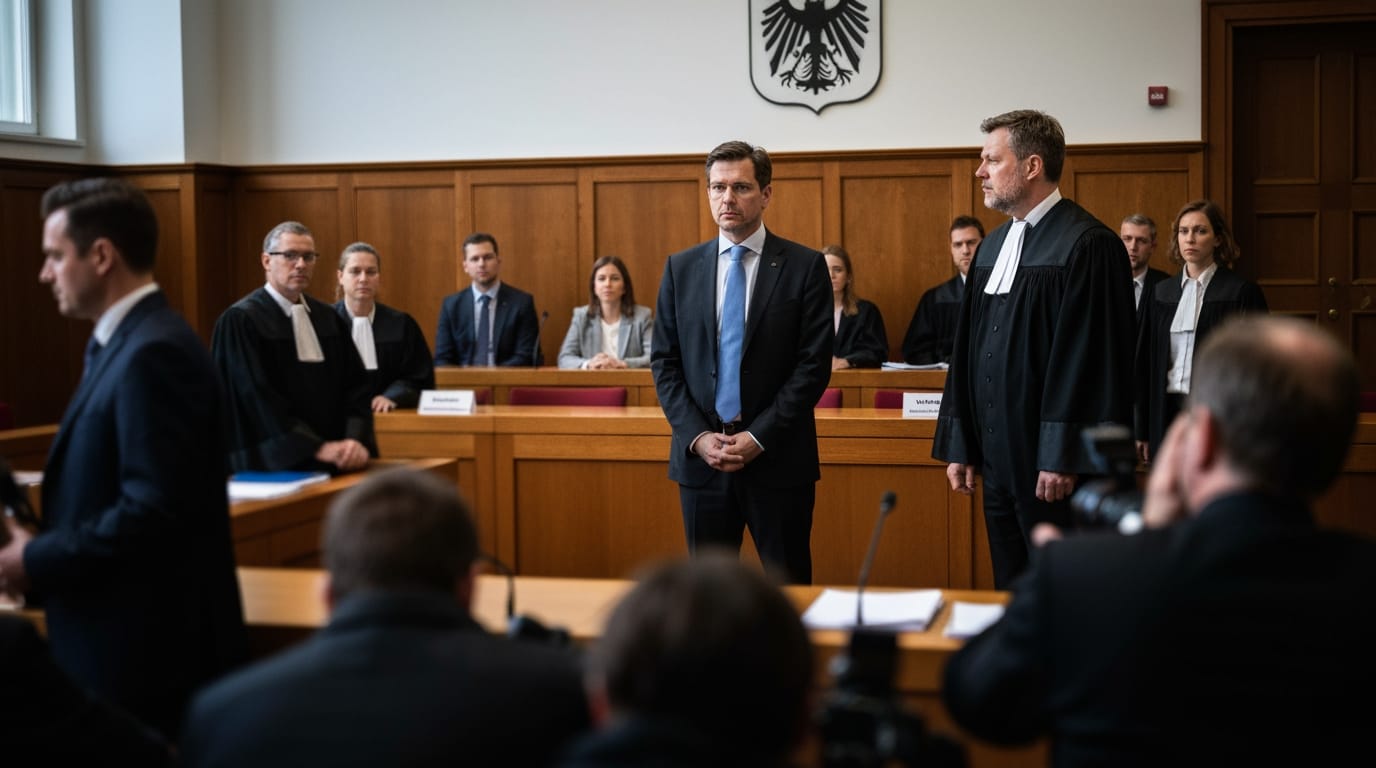
MUNICH, Germany – The highly anticipated trial against Farhad N., the 24-year-old Afghan national accused of deliberately ramming a car into a trade union demonstration in central Munich earlier this year, has commenced, bringing the devastating incident back into the national spotlight. The accused faces grave charges including murder and multiple counts of attempted murder for the February 13 attack that claimed the lives of a young mother and her two-year-old daughter, and left dozens more injured. This judicial proceeding is set to meticulously examine the events of that fateful day and the alleged Islamist motive behind an act that profoundly impacted public safety and fueled intense societal debate.
The Day of Carnage: A City in Shock
On the morning of February 13, 2025, a peaceful demonstration organized by the ver.di services trade union near Munich's central train station was abruptly shattered. At approximately 10:30 a.m. local time, a white Mini Cooper, allegedly driven by Farhad N., maneuvered around a police vehicle monitoring the march and then accelerated into the unsuspecting crowd of approximately 1,500 participants. The immediate aftermath was one of chaos and terror, as pedestrians were struck, and debris, including shoes, water bottles, and even a stroller, littered the street.
Initial reports indicated at least 28 to 36 people were injured, with several sustaining critical conditions, including children. Police quickly apprehended the suspect at the scene, firing a shot at the vehicle during the arrest, though the driver was not hit. Bavarian Premier Markus Söder and Munich Mayor Dieter Reiter both expressed deep shock, with Söder calling it a "suspected attack" and Reiter highlighting the presence of children among the injured. The incident cast a somber shadow over the city, which was preparing to host the high-profile Munich Security Conference the very next day, necessitating heightened security measures.
Two Lives Lost, Dozens Traumatized
The full tragic scope of the attack became painfully clear in the days following the event. While 44 individuals sustained injuries, the most devastating consequence was the loss of two innocent lives. A 37-year-old Algerian-born woman and her two-year-old daughter, who were among those critically injured, succumbed to their wounds two days after the attack. Their deaths transformed the initial investigation into a murder inquiry, intensifying the gravity of the legal proceedings now underway.
Beyond the fatalities, the remaining 44 victims endured a range of physical and psychological trauma, from severe bodily harm to deep emotional scars. The senseless act left a lasting impact on those directly affected, their families, and the wider community, grappling with the shock and grief caused by the deliberate violence. The images of scattered belongings and injured citizens served as a stark reminder of the vulnerability of public spaces to such attacks.
Unpacking the Accused and His Alleged Ideology
Central to the trial is the alleged perpetrator, Farhad N., whose profile presents a complex picture. The 24-year-old arrived in Germany as an asylum seeker in 2016 and resided in Munich. While his asylum application was reportedly rejected, he had been granted a temporary residence permit and, according to some reports, a work permit, without a prior criminal record. Interestingly, Farhad N. also maintained a significant online presence as a fitness influencer on platforms like TikTok, where he garnered thousands of followers and posted a mix of Islamic content alongside material seemingly at odds with strict Islamist ideology.
However, prosecutors swiftly pointed to an alleged "Islamist" or "religious" motivation for the attack. Upon his arrest, Farhad N. reportedly shouted "Allahu Akbar" (God is great) and proceeded to pray, actions that immediately prompted the involvement of departments investigating extremism and terror. During preliminary questioning, he admitted to deliberately driving into the demonstration, offering an explanation prosecutors summarized as "religious motivation." Federal prosecutors further clarified that Farhad N. believed he was "obliged to attack and kill randomly selected people in Germany in response to the suffering of Muslims in Islamic countries." Despite these indications, investigators have stated they found no direct links between the accused and any established jihadist organizations, such as the Islamic State group, nor any evidence of accomplices.
Societal Echoes: Migration, Security, and Political Tensions
The Munich car ramming occurred at a particularly sensitive time for Germany, just weeks before the February 23, 2025, federal election. The attack, described as one of several incidents involving immigrants over the preceding nine months, immediately intensified national debates surrounding immigration, asylum policies, and public safety. Political figures, including Bavaria's Premier, were quick to condemn the act and call for robust responses, though some reactions also drew criticism for potentially instrumentalizing the tragedy for political gain.
The timing also coincided with the Munich Security Conference, a major international gathering, underscoring the broader implications for Germany's security landscape and its role on the global stage. The incident added to a series of vehicle-ramming attacks seen in Germany and across Europe in recent years, raising persistent questions about urban security, radicalization, and the challenges of integration. The trial is expected to delve into these complex issues, exploring how an individual could allegedly be driven to such extreme violence based on ideological convictions.
Seeking Justice Amidst Lingering Questions
As the trial unfolds, the court in Munich faces the daunting task of piecing together the full narrative of the attack, determining the precise extent of Farhad N.'s culpability, and delivering justice for the victims and their families. The proceedings will undoubtedly revisit the harrowing moments of February 13, delve into the psychological and ideological landscape of the accused, and explore the broader societal context in which such acts of violence occur. While the legal process aims to provide closure and uphold the rule of law, the Munich car ramming leaves behind indelible questions about radicalization, integration, and the ongoing efforts to safeguard public spaces in an increasingly complex world. The verdict, whatever it may be, will mark a significant moment in Germany's ongoing struggle with the challenges posed by extremist violence.


