Munich Security Conference Withdraws Iran's Invitations Amid Renewed Crackdown Concerns
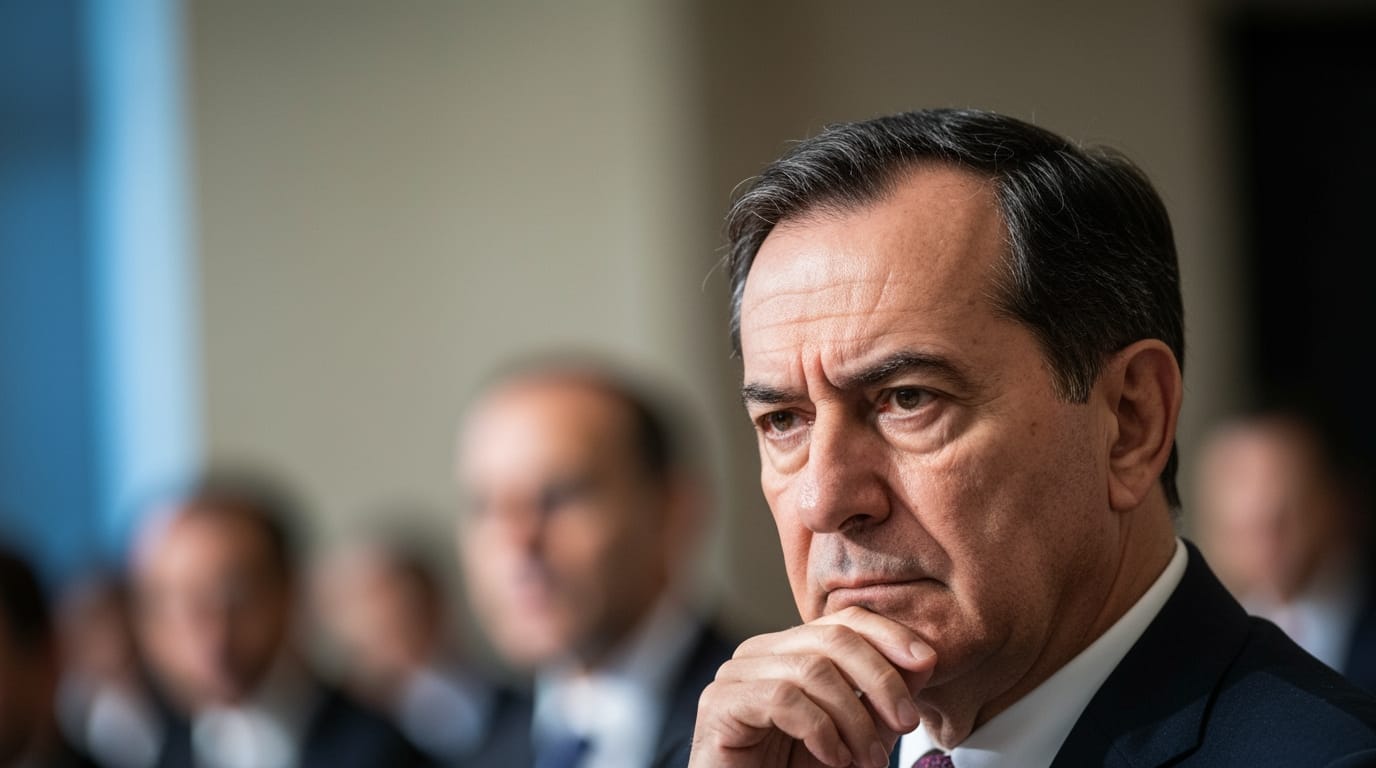
Munich, Germany – The Munich Security Conference (MSC), one of the world's foremost platforms for international security dialogue, announced today, January 16, 2026, its decision to withdraw invitations extended to Iranian government representatives for its upcoming annual gathering, scheduled for February 13-15. The move comes in response to what the conference organizers described as "current events" and a fresh crackdown on protests within Iran this week. This latest exclusion marks a continuation of a policy adopted by the MSC in recent years, signaling a hardening stance against Tehran's human rights record and its regional policies.
The decision underscores a significant shift in how leading international forums engage with the Islamic Republic, prioritizing concerns over internal repression and geopolitical conduct. While invitations had been extended to individual Iranian government representatives several weeks prior, the MSC stated these would not be maintained, reflecting a careful consideration of ongoing political developments. Germany's foreign ministry has also publicly indicated its opposition to inviting Iranian officials, citing reports of thousands killed in the crackdown on demonstrations against clerical rule.
A Pattern of Exclusion: Since 2023
The withdrawal of invitations for the 2026 conference is not an isolated incident but rather the latest development in a consistent policy of exclusion adopted by the Munich Security Conference since 2023. The Iranian government was initially banned from the MSC in 2023, a direct consequence of the widespread and violent crackdown on protests that erupted across Iran following the death of Mahsa Amini in September 2022. At that time, organizers cited the "current political situation in the country" as the reason for the government's absence, choosing instead to invite representatives of Iranian civil society.
This exclusion was maintained in 2024, marking the second consecutive year the Iranian government was not invited to the prestigious forum. Christoph Heusgen, the head of the conference, articulated the prevailing sentiment by stating there was "no interest in talks" from the German government and American counterparts regarding the Iranian government. The pattern continued into 2025, with the Iranian government being excluded for the third consecutive year. This recurring decision highlights a deliberate and sustained effort by the MSC to isolate the Iranian government from high-level international security discussions.
Elevating Alternative Voices and Diplomatic Isolation
In place of official government delegations, the Munich Security Conference has increasingly provided a platform for Iranian civil society members and opposition figures. This strategic shift allows for discussions about Iran's internal situation and future, albeit without direct engagement from Tehran's authorities. For instance, in 2023, while government officials were absent, Iranian civil society representatives were present. The trend continued in 2025, with prominent U.S.-based Iranian women's rights activist Masih Alinejad participating in multiple panels.
The inclusion of such voices aims to shed light on the challenges faced by the Iranian populace and to advocate for human rights, contrasting sharply with the regime's narratives. The decision to exclude the government while including opposition figures has, however, not been without its own complexities. In 2025, there was a notable controversy surrounding the invitation and subsequent withdrawal, and then reinstatement, of an invitation to exiled Iranian prince Reza Pahlavi, allegedly due to pressure from the German Foreign Ministry. This incident underscored the delicate balance the MSC navigates in attempting to foster dialogue while adhering to its principles and managing diplomatic sensitivities.
Broader Implications for Global Diplomacy
The Munich Security Conference's consistent decision to exclude Iranian government representatives serves as a potent symbol of diplomatic isolation. As one of the world's leading forums for security experts and policymakers, its attendance list carries significant weight, signaling international recognition and legitimacy. By barring the Iranian government, the MSC sends an unequivocal message regarding the international community's condemnation of the ongoing human rights abuses and the lack of political freedoms within Iran.
This policy aligns with a broader international push by various organizations and governments to hold the Islamic Republic accountable for its actions. Organizations like United Against Nuclear Iran (UANI) have applauded the MSC's stance, emphasizing that diplomatic isolation can be an effective tool against the Iranian government. The exclusion denies Iranian officials a direct platform to present their views and engage with a wide array of global leaders, potentially hindering their ability to influence international narratives and secure diplomatic concessions. The continued absence of Iranian government voices at such a critical security forum reflects the significant strain in relations between Tehran and much of the Western world, particularly in light of persistent concerns over its nuclear program, regional destabilizing activities, and domestic repression. The MSC has also similarly excluded Russian officials following the aggression against Ukraine, further illustrating a commitment to using its platform to highlight pressing global concerns and challenge states that violate international norms.
Conclusion
The Munich Security Conference's decision to withdraw invitations to Iranian government representatives for its 2026 meeting is a reaffirmation of its principled stand against human rights violations and a continuation of a policy established in 2023. This ongoing exclusion reflects a deepening international concern over Tehran's domestic crackdowns and its broader geopolitical conduct. By providing a platform for Iranian civil society while denying one to government officials, the MSC aims to foster accountability and amplify the voices often stifled within Iran. The consistent diplomatic isolation at such a prominent international forum underscores the significant challenges ahead for any future re-engagement with the Iranian government, emphasizing that a shift in its domestic and international behavior will likely be a prerequisite for regaining its place at the global security table.


