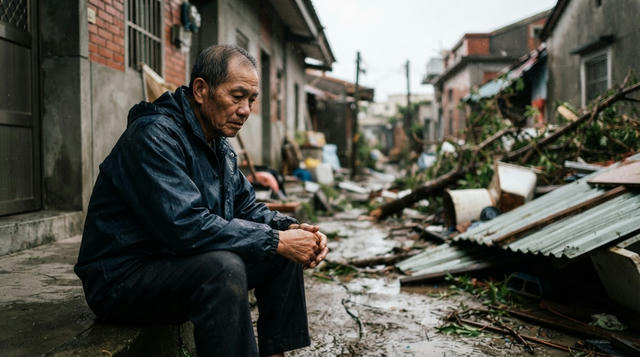
Myanmar Earthquake Death Toll Exceeds 3,000; Military Declares Cease-fire Amidst Civil War
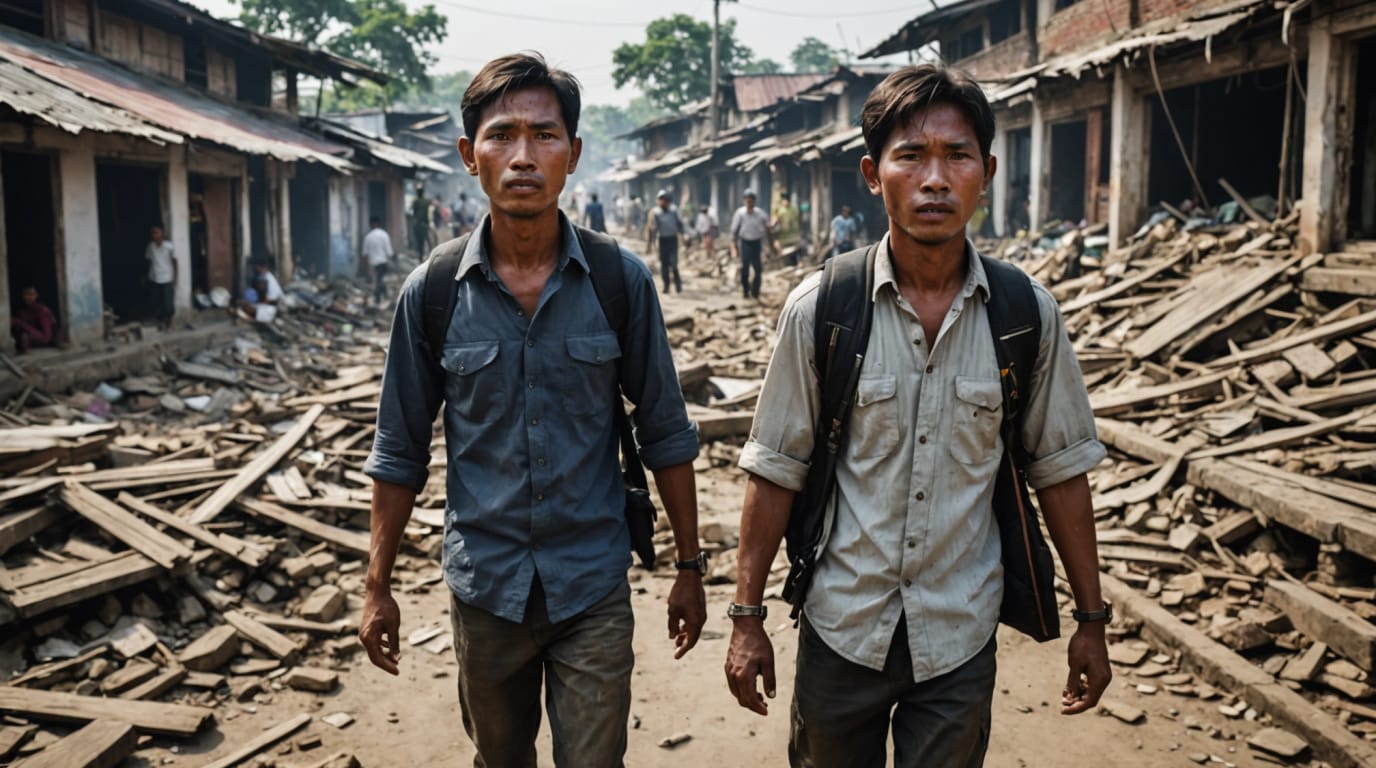
The death toll from last week's devastating 7.7 magnitude earthquake in Myanmar has surpassed 3,000, state television reported Wednesday, as rescue efforts are further complicated by the ongoing civil war. The ruling military junta has announced a temporary cease-fire in an attempt to facilitate the delivery of aid to affected areas, but challenges remain in reaching those in need.
Rising Casualties and Devastation
As of Wednesday, the official death toll stood at 3,003, with more than 4,500 people injured, according to Myanmar's state broadcaster MRTV. The quake, which struck midday Friday, caused widespread destruction, toppling thousands of buildings, collapsing bridges, and buckling roads across several regions. Neighboring Thailand has also reported 22 deaths and widespread damage, with 72 people still missing. The United Nations estimates that more than 28 million people in six regions have been affected by the seismic activity. The UN has allocated $12 million in emergency funding to provide food, shelter, water, sanitation, mental health support, and other essential services.
Cease-fire Announcement and Humanitarian Challenges
In a move that has been met with cautious optimism, Myanmar's military government declared a unilateral cease-fire, effective from Wednesday until April 22. The military stated the truce aims to ease the delivery of humanitarian aid to earthquake-stricken areas. However, the cease-fire is temporary, and the military reserves the right to act in self-defense, raising concerns about its effectiveness in ensuring safe passage for aid convoys. The ongoing civil war between the military and various ethnic armed organizations has severely hampered rescue and relief efforts. The conflict has made it difficult to access affected areas, assess the full extent of the damage, and deliver aid to those who desperately need it.
International Response and Aid Efforts
Several countries and international organizations have offered assistance to Myanmar in the wake of the earthquake. China and India have sent rescue teams and supplies. The United States has pledged $2 million in emergency aid and deployed a three-person disaster assessment team. However, some have criticized the U.S. response as insufficient, given the scale of the disaster. A Chinese Red Cross convoy was involved in an incident where Myanmar troops fired warning shots after the convoy allegedly failed to stop in a conflict zone. The Chinese Foreign Ministry has stated that its rescue team and supplies are safe following the incident.
The Search for Survivors
Despite the passage of several days since the earthquake, rescue teams continue to search for survivors amidst the rubble. However, hopes are fading as time passes and weather conditions deteriorate. Unseasonal rains are forecast, which could further complicate rescue efforts and increase the risk of landslides and waterborne diseases. An Indian rescuer stated that there is "zero possibility" of finding survivors, citing the time elapsed since the earthquake and the extreme heat. The focus is shifting towards recovering bodies and providing assistance to the injured and displaced.
Long-Term Recovery and Reconstruction
The earthquake has left a trail of destruction and devastation in Myanmar, and the road to recovery will be long and challenging. In addition to the immediate humanitarian needs, there is a need for long-term reconstruction and development efforts to rebuild damaged infrastructure, restore livelihoods, and provide psychosocial support to affected communities. The ongoing civil war poses a significant obstacle to these efforts, as it undermines stability, disrupts supply chains, and diverts resources away from reconstruction. The international community will need to work together to provide sustained assistance to Myanmar and support its efforts to rebuild and recover from this devastating earthquake.
Conclusion
The earthquake in Myanmar is a tragedy of immense proportions, exacerbated by the ongoing civil war. While the temporary cease-fire offers a glimmer of hope for improved aid delivery, significant challenges remain in reaching those in need and ensuring a sustainable recovery. The international community must remain committed to providing humanitarian assistance and supporting Myanmar in its long-term reconstruction efforts. The road ahead will be difficult, but with sustained support and cooperation, the people of Myanmar can rebuild their lives and communities.