Nagelsmann's German Conundrum: The Tactical Innovator Battling for Connection
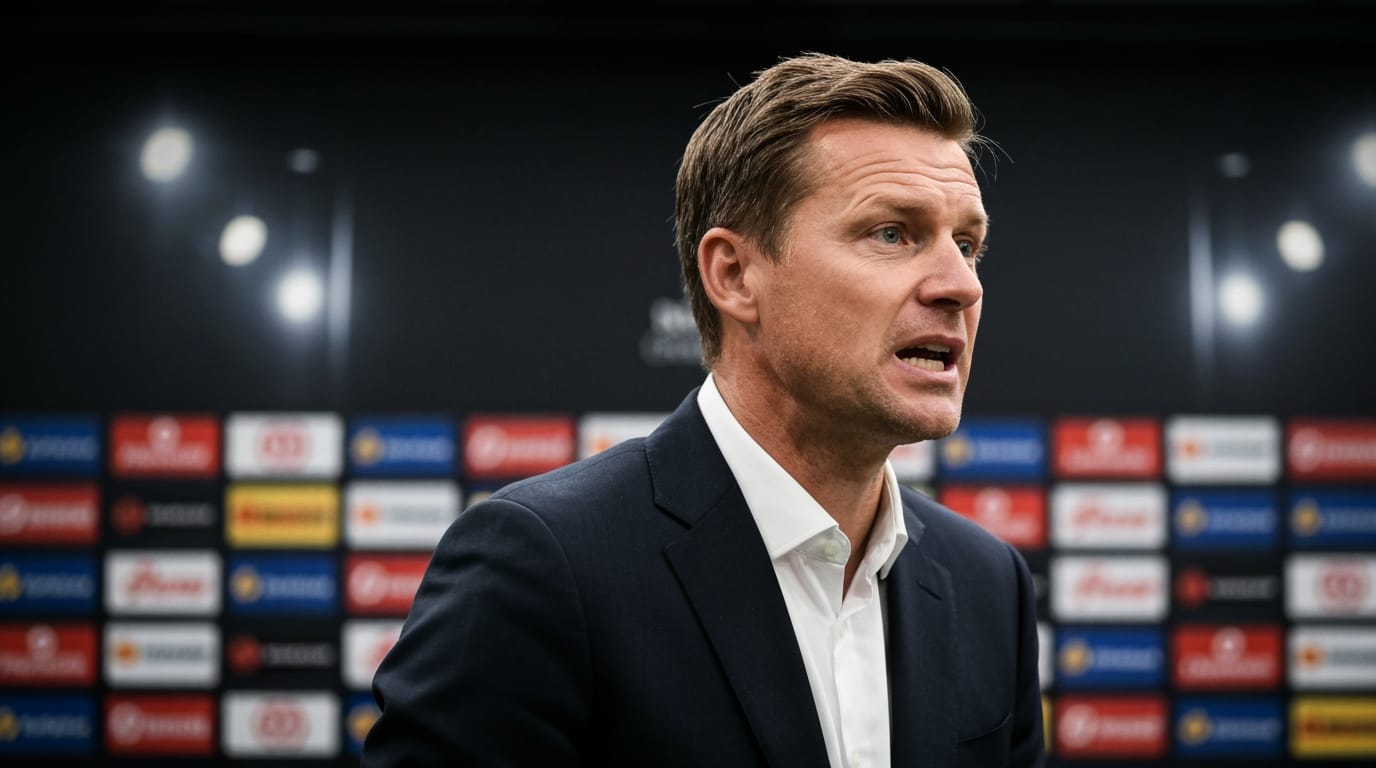
Julian Nagelsmann, a name synonymous with tactical genius and progressive football, stands at a pivotal juncture in his career as the head coach of the German national team. Hailed as the youngest to ever lead Die Mannschaft, Nagelsmann has injected a much-needed jolt of excitement and strategic depth into German football. Yet, beneath the surface of his innovative formations and ambitious vision, a narrative of communication challenges has begun to emerge, prompting questions about his ability to truly connect with both his players and the broader German public. It is a nuanced struggle for a coach who has openly acknowledged the importance of "emotionality" in leadership, even as his tactical brilliance remains unquestioned.
The Prodigy's Paradox: From Bundesliga Whiz to National Team Strategist
Nagelsmann’s rapid ascent through the coaching ranks is a testament to his exceptional football IQ. After saving Hoffenheim from relegation at just 28, he guided RB Leipzig to a Champions League semi-final and secured a Bundesliga title with Bayern Munich. His tactical philosophy is characterized by complex exercises, aggressive pressing, and sophisticated positional play, concepts that have earned him a reputation as a data-driven innovator. He is credited with engineering a "highly sophisticated tactical identity" for the current German national team, moving beyond rigid positional profiles towards extreme spatial manipulation and intricate defensive blocks. This tactical prowess has been a primary driver behind the renewed hope surrounding Germany's prospects in major tournaments.
However, this same intensity and tactical complexity have, at times, been perceived as a barrier to communication. During his tenure at Bayern Munich, reports surfaced that senior players, including stalwarts like Thomas Müller and Manuel Neuer, felt a "cold or non-existent" relationship with him. Players allegedly found his methods "overcomplicated" and expressed a lack of clear understanding regarding the "why" behind frequent tactical shifts and in-game adjustments. This disconnect, where the system sometimes seemed to overshadow the individuals, reportedly led to players feeling "sidelined" and less engaged.
Navigating the National Spotlight: Player Relations and Public Scrutiny
The transition to national team coach brought Nagelsmann under an even brighter spotlight, where personal connection and clear communication are paramount given the limited time with players. His handling of significant personnel decisions, particularly the goalkeeping situation involving Manuel Neuer's return from retirement and Oliver Baumann, drew sharp criticism. Former Germany international Markus Babbel labeled Nagelsmann's communication on the matter a "disaster," citing a lack of clarity that created "unnecessary tension within the squad." Babbel argued that Nagelsmann's "dithering" was "driving us crazy," emphasizing the need for decisive and transparent communication for both players and the public. Even Thomas Müller, a revered figure in German football, suggested that the communication around Neuer's reinstatement could have been handled more effectively.
This perceived struggle with player management and public messaging has contributed to a "surprising decline" in Nagelsmann's public approval ratings, despite the national team achieving a reported seven-match winning streak. Critics have noted that while his tactical acumen remains high, the "public mood has soured," with skepticism lingering among fans and experts.
Bridging Divides: Beyond the Pitch and Towards Unity
While facing scrutiny for his internal communication, Nagelsmann has demonstrated a strong and unambiguous voice on broader social issues. He vehemently condemned a recent public broadcaster's survey that questioned whether German fans would prefer more white players in the national team, unequivocally calling it "racist" and "insane." Aligning himself firmly with Joshua Kimmich's equally strong stance, Nagelsmann expressed shock and called for a societal "wake up" call. This clear and principled stand resonated positively, showcasing a different facet of his communication style – one that is decisive and socially aware.
His commitment to fostering a cohesive team environment is also evident in his stated philosophy for the national squad. Nagelsmann emphasizes the importance of "team spirit, clarity, and mental stability," declaring that the team must "act like a family" and trust one another. He believes this collective unity is fundamental to success, especially after Germany's disappointing exits in previous tournaments. This push for a unified identity marks a conscious effort to rebuild the connection between the team and its audience, a bond that had weakened in previous years.
The Path Forward: Emotional Intelligence and German Virtues
Nagelsmann himself has reflected on the critical role of emotional intelligence in his coaching journey. He admitted that he "could have done more" on the emotional front at club level and has learned that, as a national team coach, "the atmosphere and the heartfelt connection to the team are some of the most important things." He has openly stated, "Here I have to hug the players more," signifying a shift towards a more personable and empathetic leadership style.
His mission extends beyond tactical innovation to a deeper quest to restore Germany's footballing identity. He aims to harness the "World Cup DNA" and revive the country's "winning mentality," emphasizing a return to "old-fashioned" German virtues like defensive solidity rather than simply imitating other footballing nations. This programmatic new beginning seeks to re-engage players and fans alike, hoping to trigger emotional responses and a shared sense of purpose.
The balancing act for Julian Nagelsmann is intricate: to leverage his undeniable tactical genius while simultaneously refining his communication to foster stronger bonds within the team and with the expectant German populace. As the national team progresses towards its next major challenges, his success will not solely be measured by formations and results, but also by his ability to truly "speak" to Germany – inspiring trust, unity, and a collective belief in the path forward.