Namibia Inaugurates Netumbo Nandi-Ndaitwah as First Female President
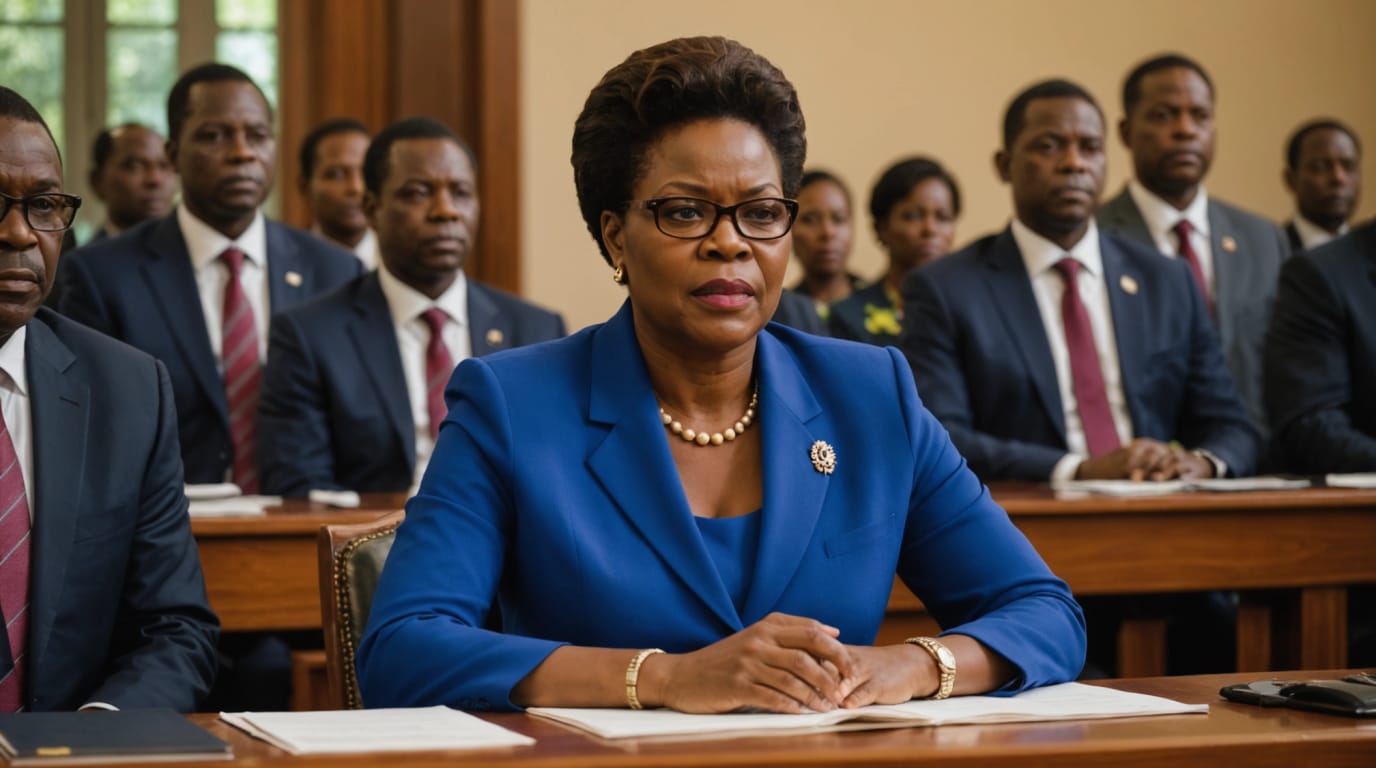
WINDHOEK, Namibia – In a historic moment for the southwestern African nation, Netumbo Nandi-Ndaitwah was sworn in as Namibia's first female president on Friday, coinciding with the country's 35th anniversary of independence. The inauguration marks a significant milestone in Namibia's political landscape and places Nandi-Ndaitwah among a small group of women leaders on the African continent.
The ceremony, held at the State House due to heavy rains, was attended by heads of state from neighboring countries, including Angola, South Africa, and Tanzania. Outgoing President Nangolo Mbumba, 83, officially handed over power to Nandi-Ndaitwah, 72, who secured victory in the elections held last year. Her win extends the ruling SWAPO party's 35-year hold on power.
Nandi-Ndaitwah's rise to the presidency follows a long and distinguished career in Namibian politics. A veteran of the South West Africa People's Organisation (SWAPO), which led Namibia to independence from apartheid South Africa in 1990, she previously served as vice president for a year. Popularly known as "NNN," Nandi-Ndaitwah garnered 58% of the vote in the November elections, overcoming a strong challenge from the opposition Independent Patriots for Change (IPC).
In her inaugural address, Nandi-Ndaitwah acknowledged the historical significance of her election, emphasizing that Namibians chose her based on competence and merit. She recognized the progress made since independence but stressed the need for further development. Tackling unemployment, particularly among young people, is a key priority for her administration.
A Focus on Job Creation and Unity
Nandi-Ndaitwah has pledged to create at least 500,000 jobs in the next five years, requiring an estimated investment of 85 billion Namibian dollars ($4.67 billion USD). She identified agriculture, fishing, and the creative and sports industries as key sectors for job creation. In 2023, unemployment among 18- to 34-year-olds stood at 44% in the country of three million people.
Addressing the nation on the eve of her inauguration, Nandi-Ndaitwah called for unity following political divisions that surfaced during the elections. "We can make our politics during the campaign and so on, but once it's over, we must build Namibia together," she stated. The IPC had previously sought to annul the election results through a court action, which was ultimately unsuccessful.
Regional Significance and International Praise
Nandi-Ndaitwah's inauguration has been met with praise from leaders across the Southern African Development Community (SADC) region. Many have commended Namibia for electing a woman president, highlighting the growing recognition of women's capabilities in leadership positions.
Zimbabwe's Ambassador to Namibia, Melody Chaurura, emphasized the significance of President Mnangagwa's presence at the inauguration, underscoring the importance of regional cooperation and solidarity. She noted that Nandi-Ndaitwah's presidency reflects the increasing role of women in national, regional, and international development.
Former Liberian President Ellen Johnson Sirleaf and former Malawian President Joyce Banda, along with current Tanzanian President Samia Suluhu Hassan, were among the attendees at the inauguration, further highlighting the importance of this event for female leadership in Africa.
Challenges and Opportunities Ahead
As Namibia's first female president, Nandi-Ndaitwah faces both significant challenges and opportunities. The country continues to grapple with issues such as unemployment, poverty, and inequality. However, Namibia is also rich in natural resources, including uranium, and has the potential for further economic development.
Nandi-Ndaitwah's leadership style, which emphasizes inclusivity, transparency, and accountability, has inspired many Namibians. Her commitment to these values could foster a more unified and prosperous nation.
SWAPO's Continued Dominance
Nandi-Ndaitwah's election victory extends the SWAPO party's long-standing rule in Namibia. While the party's popularity has waned in some other southern African nations, it continues to hold a strong position in Namibia. The IPC mounted a strong challenge in the recent elections, but SWAPO's continued dominance underscores the party's historical significance and enduring support base.
The elections in November were extended several times due to logistical failures that led to major delays. Despite these challenges, Nandi-Ndaitwah secured a decisive victory, demonstrating her widespread appeal and the continued loyalty to SWAPO.
A New Chapter for Namibia
The inauguration of Netumbo Nandi-Ndaitwah as Namibia's first female president marks a new chapter in the country's history. Her election is a testament to the progress made in promoting gender equality and empowering women in leadership roles. As she takes office, Nandi-Ndaitwah faces the task of addressing the challenges facing Namibia and building a brighter future for all its citizens. Her focus on job creation, unity, and good governance will be crucial in achieving these goals. The world will be watching as Namibia embarks on this new journey under its first female leader.