Nations Increasingly Call on Women for Military Service
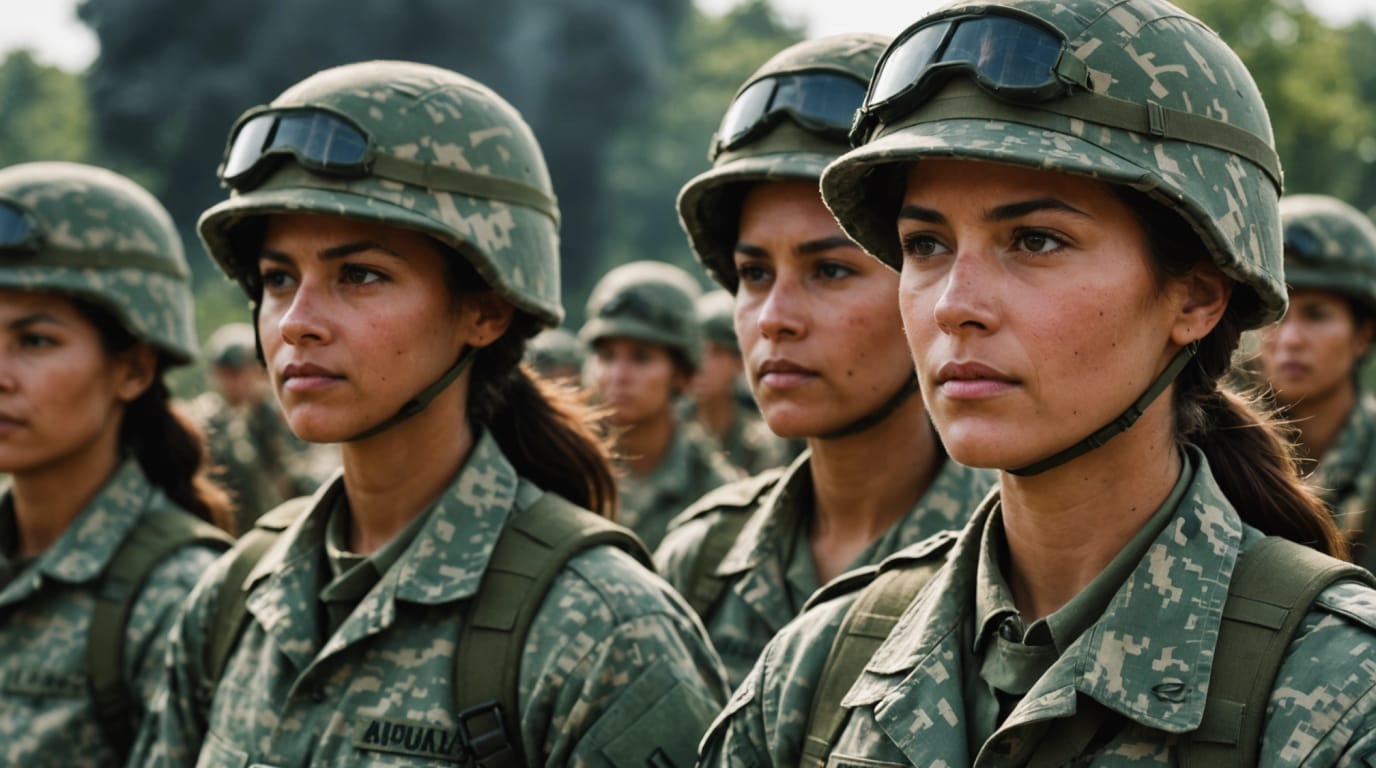
Across the globe, the landscape of military service is evolving, with a growing number of countries either mandating or considering conscription for women. This shift reflects changing societal views on gender equality, evolving security concerns, and the practical need to bolster armed forces. While the concept of women in combat roles was once largely limited, many nations are now integrating women into all aspects of military service, including mandatory conscription.
The Scandinavian Vanguard
Scandinavia has emerged as a leader in gender-neutral conscription. Norway became the first NATO member to introduce mandatory military service for both men and women in 2015. Sweden followed suit in 2017, reintroducing conscription for all genders after a period of voluntary service. These nations frame the policy as a matter of gender equality, ensuring that both men and women share the responsibilities and opportunities associated with national defense.
Denmark is the latest Scandinavian country to join this trend. As of March 2025, the Danish parliament decided that women turning 18 after July 1, 2024, will receive notification for military conscription, beginning in early 2026. This move, initially planned for 2027, was accelerated due to the "current defense and security policy situation," according to Defense Minister Troels Lund Poulsen. The standard service period will also increase from four to eleven months.
Beyond Europe: Global Examples
While Scandinavia leads the way in gender-neutral conscription based on gender equality, other countries have different motivations. Israel has conscripted women since its establishment in 1948, with women serving up to two years. While initially assigned to bureaucratic and medical roles, their positions have expanded over time.
Several countries in Africa and Asia also have mandatory military service for women, often driven by the need for personnel rather than gender equality. Eritrea, Libya, and North Korea are among the nations that conscript women, alongside men. In North Korea, military service for women begins at age 17. China also requires women to join the army between 18 and 19 if they possess a school diploma and meet specific requirements.
The Debate and Motivations
The expansion of female conscription is not without debate. Some argue that it promotes gender equality by ensuring that both men and women contribute to national defense. Others raise concerns about the physical demands of military service and potential impacts on women's health and safety.
Several factors drive the increasing consideration of female conscription. Heightened security concerns, particularly in Europe following the war in Ukraine, have prompted nations to bolster their armed forces. Declining numbers of volunteers in some countries have also led to a re-evaluation of conscription policies.
Furthermore, the push for gender equality plays a significant role. As societies strive for equal opportunities, the argument that military service should be a shared responsibility gains traction. This perspective challenges traditional gender roles and promotes the idea that both men and women are capable of defending their country.
Challenges and Considerations
Implementing female conscription presents several challenges. Accommodating the specific needs of female soldiers, such as providing appropriate equipment and addressing health concerns, requires careful planning. Ensuring that women are integrated into all military roles, including combat positions, also demands a shift in cultural attitudes and training practices.
Moreover, public opinion on female conscription varies widely. While some support the idea as a matter of equality, others express reservations about sending women into combat or disrupting traditional family roles. Governments considering female conscription must address these concerns through public dialogue and education.
The Future of Military Service
The trend toward female conscription reflects a broader transformation in the role of women in the military. As more countries integrate women into their armed forces, traditional notions of military service are being challenged. The increasing participation of women in combat roles, leadership positions, and specialized fields demonstrates their capabilities and contributions to national defense.
The decision to implement female conscription is a complex one, involving considerations of security, equality, and societal values. As the global landscape continues to evolve, more nations may consider this policy as a means of strengthening their armed forces and promoting gender equality. The experiences of countries that have already implemented female conscription will provide valuable lessons for those contemplating similar changes.
A Reflection of Changing Times
The increasing number of countries requiring military service for women signifies a profound shift in global attitudes toward gender roles and national security. While debates surrounding its implementation persist, the trend underscores a growing recognition of women's capabilities and their potential contributions to the armed forces. As nations grapple with evolving security challenges and strive for greater gender equality, the integration of women into military service, including through conscription, is likely to remain a prominent topic of discussion and policy change.


