NATO Forges New Path Amidst U.S. Rebalancing, European Allies Step Up
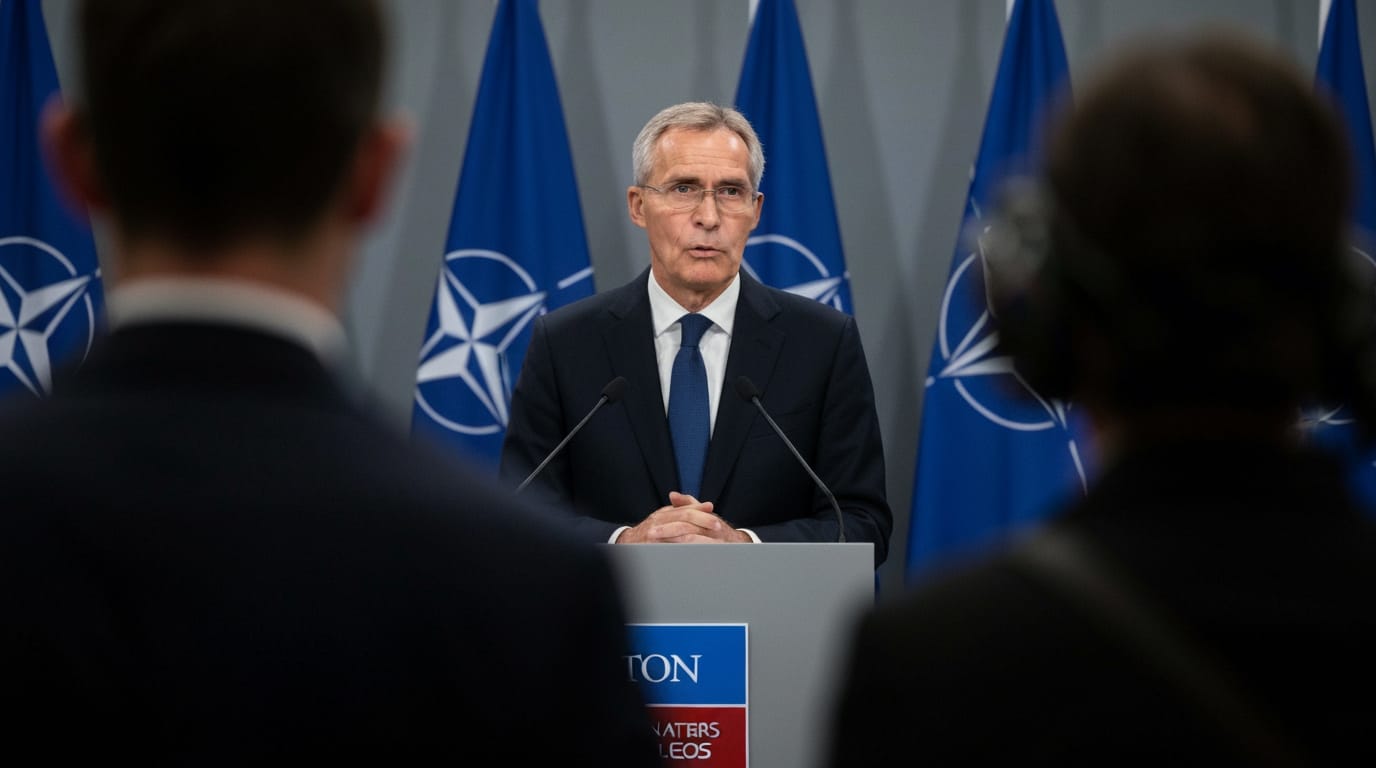
Brussels, Belgium – The North Atlantic Treaty Organization is navigating a significant recalibration of its collective defense posture following the United States' decision to reduce its military capabilities pledged to the alliance. While the move has spurred concerns over transatlantic unity, NATO Secretary General Mark Rutte has characterized the shift not as a withdrawal, but as a strategic adjustment towards a "NATO 3.0" where European allies assume greater responsibility, reinforcing the alliance's enduring strength and adaptability in a complex global security landscape.
The U.S. recently informed NATO allies of its intention to shrink its pool of military assets earmarked for crisis response, a decision that includes substantial reductions in air and naval power. This development, while raising questions, has simultaneously galvanized European nations to intensify their defense contributions, signaling a pivotal moment for the nearly 77-year-old alliance.
The American Rebalancing Act: Fewer Assets, Shifting Focus
Last month, Washington conveyed its decision to allies regarding a significant re-evaluation of its commitments to NATO's crisis force model. This adjustment entails a reduction in U.S. military capabilities designated for deployment in a crisis scenario. Specific cuts reportedly include approximately one-third of the 150 F-16 and F-15 fighter jets previously assigned to NATO missions, along with decreases in refueling and reconnaissance aircraft, bombers, and drones. Furthermore, the U.S. plans to withdraw a cruise missile-capable submarine from NATO's force structure and scale back the number of allocated aircraft carrier groups from two to one.
This strategic pivot aligns with the long-standing criticisms from the Trump administration regarding European defense spending and a desire for allies to shoulder a greater share of the collective security burden. The rationale behind this rebalancing, according to U.S. officials, is to optimize its force posture and allow for greater flexibility in addressing security challenges across multiple theaters globally. The 2026 National Defense Strategy, which outlines a "burden sharing direction," and the Department of War's vision for a "NATO 3.0," underscore this shift. While presented as a tactical adjustment, the redeployment of key assets, such as naval vessels and advanced aircraft, indicates a deliberate effort to realign American military resources.
Rutte's Vision: "NATO 3.0" and Enhanced Burden-Sharing
In the wake of the U.S. announcement, NATO Secretary General Mark Rutte has taken a proactive stance to reaffirm alliance unity and provide a strategic framework for the future. Speaking ahead of a meeting of NATO defense ministers in Brussels, Rutte asserted that the U.S. adjustment should not be misinterpreted as a disengagement from Europe. Instead, he framed it as a "managed and mutually agreed" move towards "better burden sharing" within the alliance.
Rutte emphasized Washington's unwavering commitment to NATO's foundational Article 5, which stipulates that an attack on one member is an attack on all, and to its nuclear deterrent. He articulated a vision for "NATO 3.0," envisioning a stronger Europe within a stronger NATO, where European and Canadian allies progressively assume a larger share of conventional defense responsibilities. This, he explained, would free the U.S. to focus on its broader global obligations while maintaining its crucial role in European security, particularly concerning nuclear and conventional defense. Rutte highlighted that the Supreme Allied Commander Europe (SACEUR) had already assessed that many of the capabilities the U.S. is reducing are either already available among European allies or will be in the near future. This proactive communication aims to mitigate concerns and foster a sense of collective ownership over the alliance's future.
European Allies Mobilize to Fill Gaps
The U.S. rebalancing has, by all accounts, spurred European NATO members into action. Following the notification, European allies have "stepped up" their contributions, pledging increased forces and boosting defense spending to compensate for the reduction in U.S. military assets. This response is a tangible demonstration of a renewed commitment to collective defense and a growing recognition of the need for greater European strategic autonomy. European diplomats have indicated that they are capable of replacing the reduced U.S. contributions, provided they are given sufficient time to address existing capability gaps.
Historically, the reliance on U.S. military might has been significant, and calls for European nations to increase their defense spending to meet the 2% of GDP target have been a recurring theme. The current adjustments underscore these long-standing discussions. While some European officials previously dismissed ambitious deadlines for taking over conventional defense responsibilities as "impossible," the current environment suggests a more concerted effort is underway. This intensified European commitment is seen by some as a positive step towards a more balanced and resilient alliance, allowing NATO to adapt to new security realities and a more complex, unstable geopolitical landscape.
Implications for Collective Defense and Geopolitical Stability
The ongoing adjustments within NATO carry significant implications for the alliance's collective defense capabilities and the broader geopolitical landscape. While Secretary General Rutte and other officials have sought to reassure allies that the U.S. remains committed, the reduction in pledged assets inevitably raises questions about NATO's immediate readiness and deterrence posture, particularly against an assertive Russia. The shift necessitates a robust and rapid response from European members to ensure no significant capability gaps emerge that could be exploited by adversaries.
The changes also signal a strategic evolution for NATO, moving towards a more distributed and adaptable model. The emphasis on European leadership and increased contributions highlights a long-term trajectory where the continent plays a more central role in its own defense. Former NATO chief Jens Stoltenberg consistently underscored the paramount importance of alliance unity as the most effective deterrent, especially in the face of new threats from nation-states like Russia and China, as well as cyberattacks and global rivalries. This principle of unity becomes even more critical as the alliance navigates these internal adjustments amidst external pressures. The successful integration of these changes, coupled with continued investment in defense by all members, will be crucial in maintaining NATO's credibility and its ability to act decisively in a crisis.
A Stronger Alliance Through Adaptation
The strategic recalibration within NATO, prompted by the U.S. decision to adjust its military pledges, marks a defining moment for the transatlantic alliance. While presenting immediate challenges in terms of force allocation and capability alignment, it has also spurred a collective resolve among European allies to enhance their contributions and assume greater responsibility for regional security. Secretary General Mark Rutte's narrative of "NATO 3.0" — a stronger Europe within a stronger NATO — aims to underscore that these changes represent an evolution rather than a weakening of the alliance.
As NATO prepares for future summits and continues to adapt to an increasingly complex global environment, the sustained unity and commitment of all member states will be paramount. The collective effort to fill capability gaps, increase defense spending, and maintain a credible deterrence posture will ultimately define the alliance's ability to safeguard peace and security for its nearly one billion citizens in the years to come. The trajectory is clear: NATO is moving towards a more balanced, resilient, and strategically autonomous collective defense mechanism, ensuring its relevance and effectiveness in a rapidly changing world.


