NATO Launches 'Arctic Sentry' Mission Amid Heightened Arctic Stakes
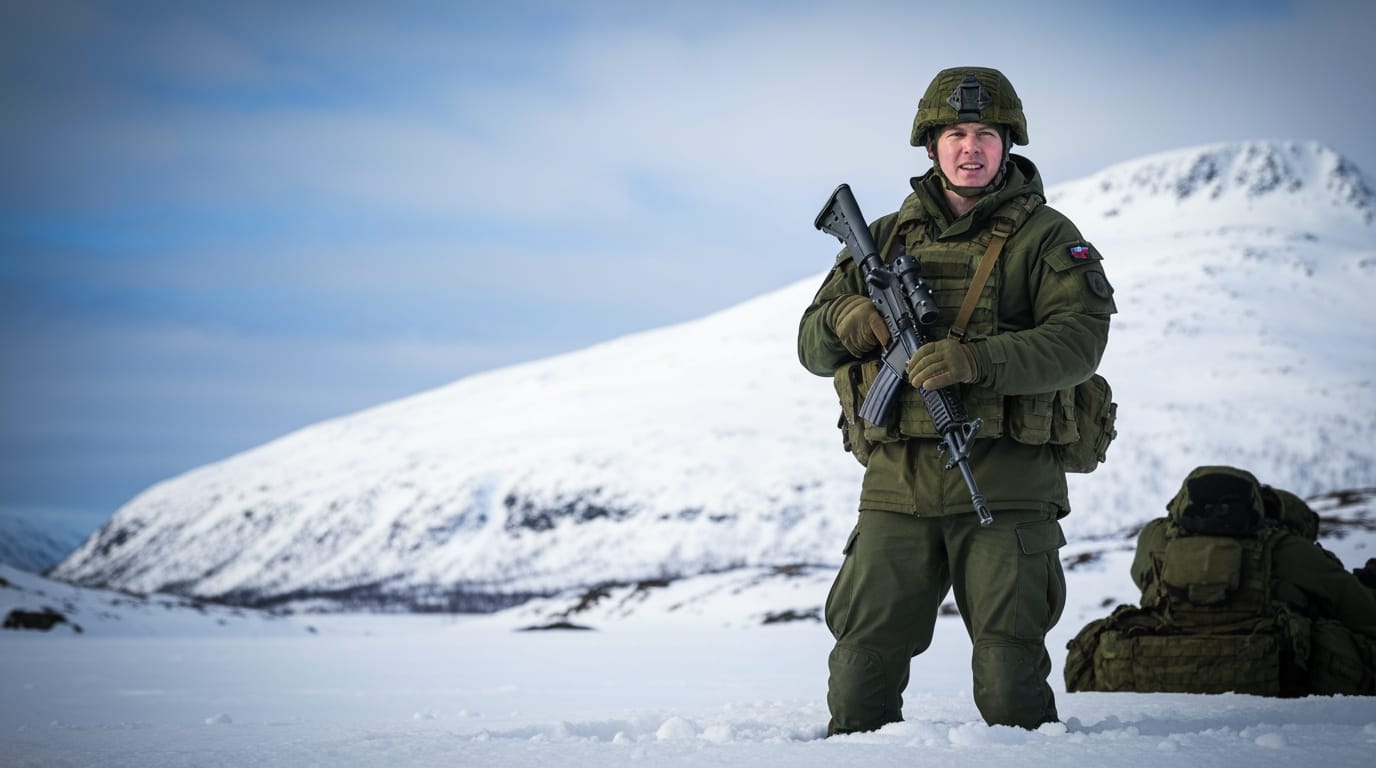
BRUSSELS — NATO today initiated "Arctic Sentry," a new multi-domain mission designed to strengthen its military posture in the strategically vital Arctic region. The launch comes amidst escalating geopolitical competition in the High North, driven by rapid climate change, increased Russian military activity, and growing Chinese interest, and follows recent diplomatic tensions within the alliance over the future of Greenland. The mission seeks to unify and coordinate the diverse military activities of member states across air, land, and sea, signaling NATO's intensified commitment to safeguarding its northern flank and maintaining stability in a rapidly evolving environmental and security landscape.
Unifying Allied Arctic Efforts
"Arctic Sentry" represents a significant step in formalizing and integrating NATO's operations across the Arctic. While member nations have long conducted individual exercises and maintained a presence in the High North, this new mission aims to bring these disparate efforts under a single, cohesive operational approach. Led by NATO's Allied Command Operations (ACO) and the U.S.-based Joint Force Command Norfolk (JFC Norfolk), whose area of responsibility now extends across the entire Arctic, the initiative will coordinate a range of activities. This includes existing national military exercises such as Denmark's "Arctic Endurance on Greenland" and Norway's "Cold Response," which involve thousands of troops and span multiple domains.
U.S. Air Force General Alexus G. Grynkewich, NATO's Supreme Allied Commander Europe, emphasized that "Arctic Sentry underscores the Alliance's commitment to safeguard its members and maintain stability in one of the world's most strategically significant and environmentally challenging areas." The mission is expected to feature expanded surveillance efforts and the deployment of advanced maritime and air assets, including drones, to enhance situational awareness and response capabilities without necessarily involving a large-scale, permanent troop buildup. This integrated command structure is anticipated to provide NATO planners with comprehensive visibility of allied operations, enabling the identification and addressal of any capability gaps in the region.
The Resurgent Arctic Frontier
The Arctic's strategic importance has dramatically increased over the past decade, transforming from a region once characterized by "High North – Low Tension" into a new arena for global competition. Melting sea ice, a direct consequence of climate change, is opening new shipping routes, most notably the Northern Sea Route, which offers shorter transit times between Europe and Asia. This increased accessibility also facilitates the exploitation of vast, untapped natural resources, including oil, natural gas, and rare earth minerals, drawing intensified interest from both Arctic and non-Arctic states.
Against this backdrop, Russia, the largest Arctic power, has been steadily enhancing its military footprint in the region, reactivating Soviet-era bases, upgrading Arctic-specific capabilities, and conducting extensive military exercises. This resurgence is viewed by NATO as a clear challenge to regional stability and a significant component of Russia's broader strategic posture. Concurrently, China has declared itself a "near-Arctic state" and is actively pursuing economic and scientific interests through its "Polar Silk Road" initiative, raising concerns about potential dual-use infrastructure and its long-term strategic intentions. For NATO, the Arctic serves as a critical zone for surveillance, early warning systems, and vital reinforcement routes, particularly guarding the transatlantic sea lines of communication between North America and Europe.
Geopolitical Currents and Alliance Cohesion
The establishment of "Arctic Sentry" also addresses recent diplomatic friction within the alliance, particularly concerns stemming from U.S. President Donald Trump's repeated expressions of interest in acquiring Greenland, an autonomous territory of NATO member Denmark. These remarks reportedly sparked tensions and raised questions about alliance solidarity and European commitment to Arctic security. The mission's planning accelerated following discussions between President Trump and NATO Secretary General Mark Rutte, where it was agreed that NATO would assume a more prominent role in the Arctic. This move is seen, in part, as an effort to assuage U.S. concerns and demonstrate Europe's resolve in protecting the High North from perceived Russian and Chinese interference.
The security landscape of the Arctic has been profoundly reshaped by the recent accession of Finland and Sweden to NATO. With these additions, seven of the eight Arctic states are now members of the alliance, with Russia being the sole exception. This shift consolidates NATO's presence and influence across a significant portion of the Arctic Circle, providing new strategic depth and enhanced capabilities for collective defense. European allies, including the United Kingdom, France, and Germany, have pledged participation in "Arctic Sentry," with the UK notably committing to doubling its troop deployment to Norway over the next three years. This collective commitment underscores a unified front in addressing the complex security challenges of the High North.
Implications for Regional and Global Security
"Arctic Sentry" is poised to have significant implications for both regional and global security. By consolidating allied military efforts and enhancing coordination, NATO aims to bolster its deterrence posture against potential adversaries and ensure freedom of navigation in increasingly accessible waterways. The mission reflects a pragmatic adaptation to the realities of a warming Arctic and the associated geopolitical shifts, moving beyond a purely cooperative framework towards a more robust defense-oriented strategy.
However, the increased military focus also introduces a delicate balance. While designed to enhance security, a heightened military presence in the Arctic risks contributing to a security dilemma, where one state's defensive measures are perceived as offensive by another, potentially leading to an escalatory cycle. The absence of direct dialogue mechanisms between NATO and Russia in the Arctic Council, which has seen activities paused since 2022, further complicates de-escalation efforts and increases the risk of misinterpretation of military activities.
The success of "Arctic Sentry" will ultimately depend on its ability to project strength and resolve while simultaneously demonstrating a commitment to responsible stewardship of the Arctic environment and fostering stability. It marks a clear strategic pivot for NATO, repositioning the Arctic as an integral component of its collective defense strategy and a crucial frontier in the ongoing dynamics of great-power competition.
Conclusion
NATO's launch of "Arctic Sentry" signifies a crucial moment in the evolving geopolitics of the High North. As climate change continues to transform the physical landscape of the Arctic, opening new economic and strategic avenues, the mission consolidates allied military efforts to secure the region. By integrating existing national operations, enhancing surveillance, and projecting a unified presence, NATO aims to deter potential aggression and protect the interests of its member states in this increasingly contested frontier. "Arctic Sentry" underscores the alliance's determination to maintain stability and uphold international law in the face of mounting challenges, reflecting a proactive approach to a region whose strategic importance will only continue to grow on the global stage.


