U.S. Airspace Over El Paso Briefly Closed Amidst Mexican Cartel Drone Incursion
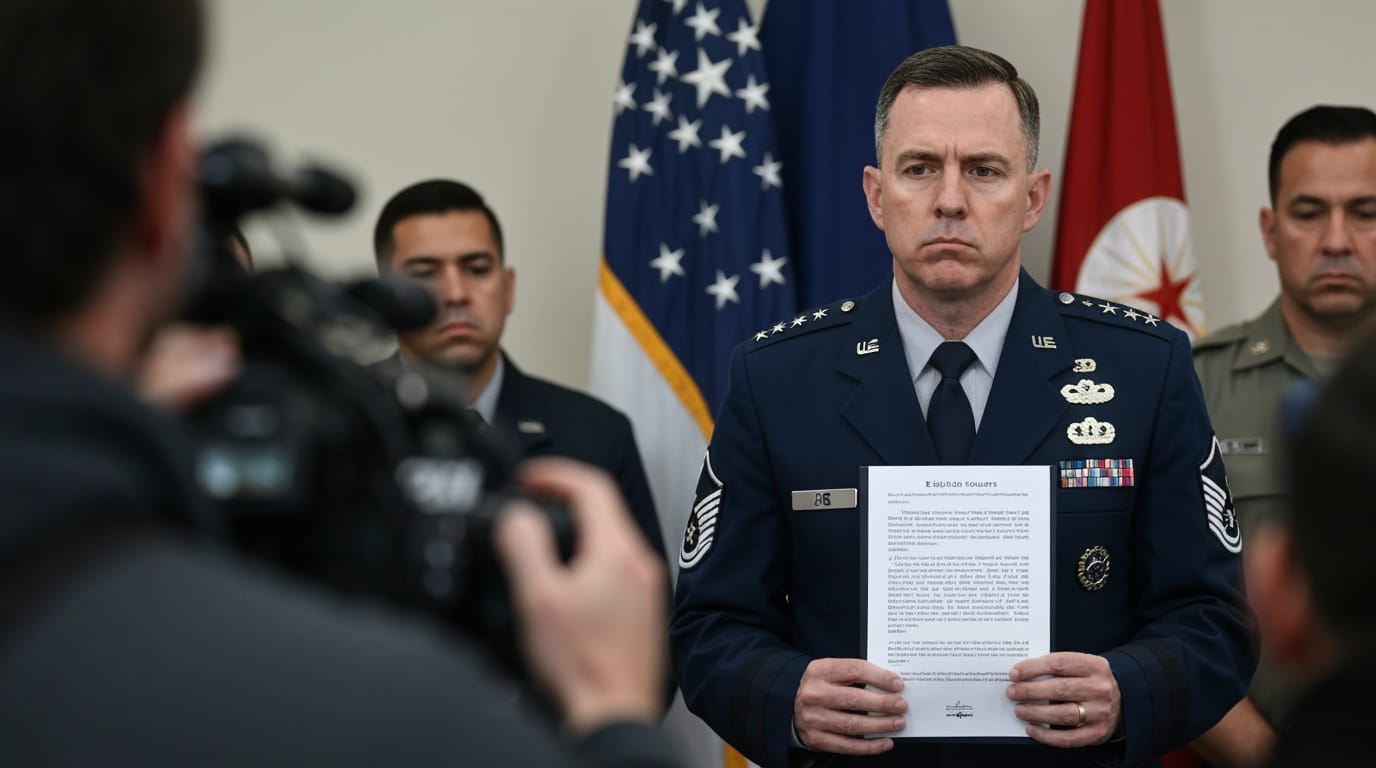
EL PASO, Texas – Airspace over El Paso, Texas, experienced an unprecedented temporary closure on Wednesday, February 11, 2026, with U.S. officials swiftly attributing the disruption to incursions by Mexican cartel drones. The Federal Aviation Administration (FAA) initially announced a sweeping 10-day restriction on all flights, including commercial, cargo, and general aviation, in and out of El Paso International Airport and neighboring Santa Teresa, New Mexico, citing "special security reasons." However, the restrictions were unexpectedly lifted just hours later, after the Department of War (DOW) reportedly took action to neutralize the aerial threat, underscoring the escalating and technologically advanced challenges facing border security.
Incident Prompts Immediate Federal Response
The dramatic events unfolded rapidly, beginning with the FAA's overnight announcement of a 10-day flight ban that caught local officials and the public off guard. El Paso International Airport, a vital hub for cross-border commerce situated near military installations like Biggs Army Airfield on Fort Bliss, faced significant operational halts. U.S. Transportation Secretary Sean Duffy quickly confirmed the airspace closure was directly linked to a "cartel drone incursion," stating that the FAA and the Department of War "acted swiftly to address" the threat. While specific details regarding the number of drones involved or the precise methods used to disable them remained undisclosed, a Trump administration official confirmed that Mexican cartel drones had breached U.S. airspace, prompting the DOW's intervention. By Wednesday morning, the FAA declared the threat neutralized, affirming "no threat to commercial aviation" and allowing normal flight operations to resume.
Cartel Drones: An Evolving and Potent Threat
The incident in El Paso serves as a stark reminder of the sophisticated and rapidly evolving threat posed by Mexican cartels employing drone technology. Historically, these criminal organizations have utilized unmanned aerial systems (UAS) for a range of illicit activities, including smuggling narcotics, weapons, and money across the border. More recently, their capabilities have expanded to sophisticated surveillance operations, enabling them to track the movements of U.S. Customs and Border Protection (CBP) agents and military personnel. Reports indicate a concerning shift towards the potential weaponization of drones, with intelligence suggesting cartels are planning to deploy UAS equipped with explosives to target federal law enforcement along the U.S.-Mexico border. This represents a significant escalation, mirroring military-style UAS warfare observed in global conflicts and posing a direct threat to national security. The Department of Homeland Security and the FBI have consistently identified UAS as one of the top national security threats to the United States. In the latter half of 2024 alone, over 27,000 drones were detected within 500 meters of the southern border, primarily operating under the cover of night, according to testimony from Steven Willoughby, Deputy Director of the DHS counter-drone program.
Defensive Measures and Operational Challenges
The swift response in El Paso, involving the Department of War, highlights the federal government's increasing efforts to counter the drone threat. Military operations, including the testing of laser countermeasure systems and other unmanned aircraft operations from nearby Biggs Army Airfield at Fort Bliss, are underway in the region. These counter-drone capabilities are being deployed as part of a broader strategy to support the Trump administration's immigration enforcement and security mandates along the border. Pentagon officials have confirmed plans to acquire hardware and software assets to enhance the military's ability to defend against small UAS. However, the deployment of such technology near civilian flight paths presents its own set of challenges, as evidenced by the FAA's initial concerns regarding safety in the immediate vicinity of El Paso International Airport. The unpredictable nature of cartel drone operations, which often fly at lower altitudes, can change direction quickly, and do not coordinate with air traffic control, complicates airspace management and necessitates robust, real-time detection and mitigation systems.
Local Disruption and Calls for Improved Communication
The initial 10-day closure caused considerable alarm and disruption for the El Paso community, a city of nearly 700,000 residents deeply intertwined with cross-border commerce. Representative Veronica Escobar, a Democrat whose district includes El Paso, voiced strong criticism regarding the lack of advance notice provided to her office, the city, or airport operations. Escobar described the FAA's decision to shut down the airport for such an extended period as "unprecedented" and a cause for "significant concern" among her constituents. While acknowledging that there appeared to be no immediate threat to the community, she emphasized the need for better communication and coordination from federal agencies in such high-stakes situations. Local authorities and airport management were left to advise travelers to contact their airlines for updated flight information, highlighting the immediate and far-reaching impact of such security measures on daily life and economic activity.
The temporary closure of El Paso's airspace, directly attributed to Mexican cartel drone activity, underscores a critical juncture in border security. This incident not only exposed the persistent and evolving nature of transnational criminal organizations' technological capabilities but also highlighted the complexities involved in safeguarding civilian airspace while conducting national security operations. As federal agencies continue to adapt and deploy advanced counter-drone technologies, the balance between maintaining security, ensuring aviation safety, and minimizing public disruption will remain a paramount challenge. The events in El Paso serve as a powerful reminder of the ongoing need for robust, coordinated, and communicative strategies to counter the sophisticated threats at the nation's borders.


