Neil Diamond Celebrates 85: A Resonant Legacy Continues to Shine
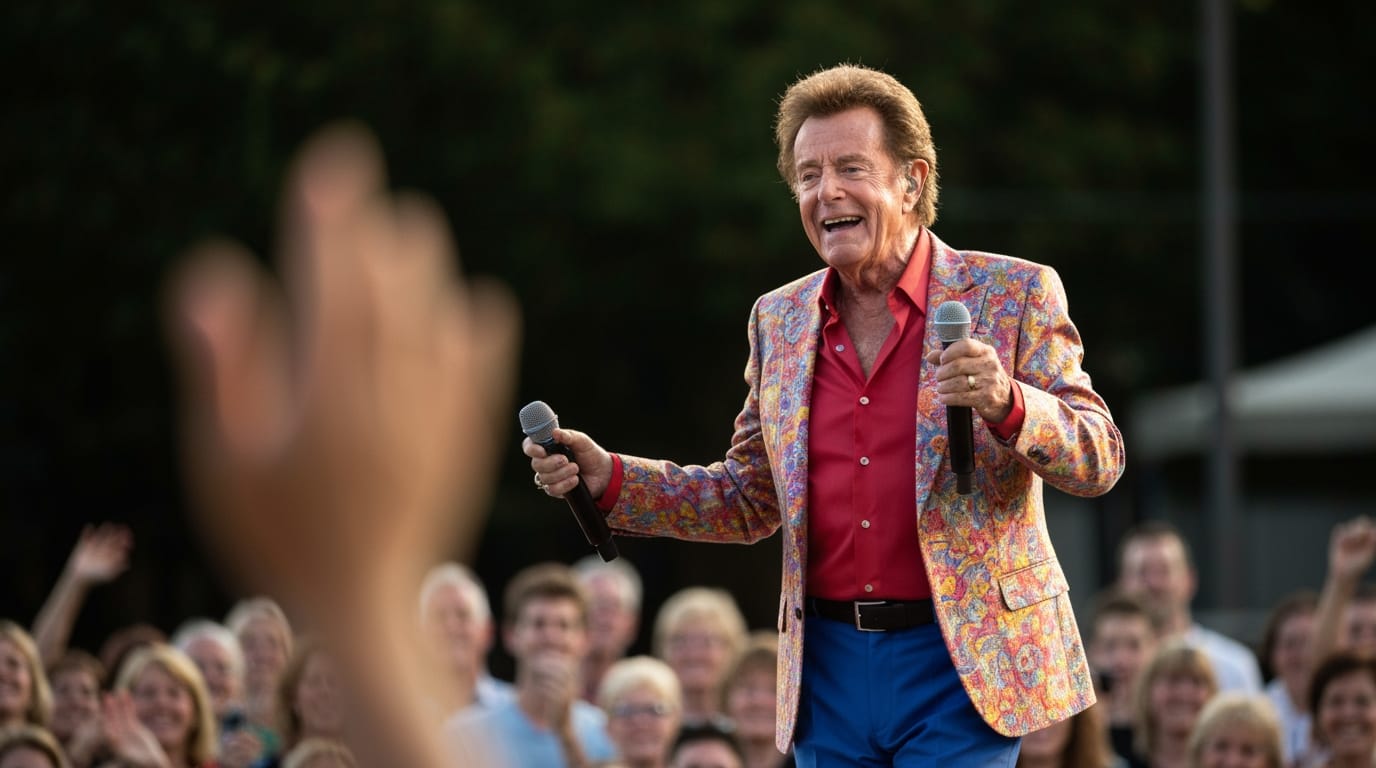
As the calendar turns to January 24, iconic American singer-songwriter Neil Diamond marks his 85th birthday, a milestone that prompts a reflection on a career spanning over six decades and an enduring musical legacy that continues to captivate generations. From the infectious anthem "Sweet Caroline" to a string of chart-topping hits, Diamond's contributions to popular music have solidified his place as one of the industry's most revered figures, even as he navigates the challenges of recent health issues. His journey from a hopeful Brooklyn teenager to a global superstar is a testament to his unique artistry and unwavering dedication to his craft.
Diamond, born Neil Leslie Diamond on January 24, 1941, in New York City, began his professional career in 1962, initially finding success as a songwriter for other artists. However, it was his distinct baritone voice and knack for crafting deeply personal yet universally relatable lyrics that propelled him into the spotlight as a performer. His early aspirations, as he once reflected, were those of a 15-year-old in Brooklyn dreaming of a momentous future, a dream he would ultimately realize on the grandest stages worldwide. Over the years, Diamond would prove to be a prolific hitmaker, penning and recording ten singles that ascended to No. 1 on the U.S. Billboard Hot 100 and Adult Contemporary charts. These included classics such as "Cracklin' Rosie," "Song Sung Blue," and "America," along with the powerful duet "You Don't Bring Me Flowers" performed with Barbra Streisand. Beyond these chart-toppers, thirty-eight of his songs reached the top 10 on the Billboard Adult Contemporary chart, a testament to his consistent appeal and songwriting prowess. Among these, "Sweet Caroline," released in 1969, became an indelible part of global pop culture, recognized and sung by millions across stadiums and private gatherings alike.
The sheer scale of Diamond's impact is quantifiable through his staggering record sales, exceeding 56.5 million units in the U.S. alone and more than 130 million worldwide, cementing his status as one of the best-selling musicians in history. His influence extends beyond sales figures, however, touching the very fabric of American popular culture. His music has served as the soundtrack to countless lives, resonating at weddings, sporting events, and family celebrations, with his lyrics frequently quoted and cherished. Such profound and lasting contributions have earned him numerous prestigious accolades throughout his career. He was inducted into the Songwriters Hall of Fame in 1984 and later into the Rock and Roll Hall of Fame in 2011, acknowledging his dual genius as both a writer and a performer. Further recognition includes a Sammy Cahn Lifetime Achievement Award in 2000, Kennedy Center Honors in 2011, and the Grammy Lifetime Achievement Award in 2018, each marking significant milestones in his celebrated journey. Beyond his musical endeavors, Diamond also ventured into acting, making his screen debut in the 1980 musical drama film "The Jazz Singer."
In recent years, the legendary entertainer has faced significant personal challenges, particularly a diagnosis of Parkinson's disease, a progressive brain disorder that affects movement. This health condition led to his reluctant retirement from touring in 2018, a difficult decision after more than five decades on the road. Despite stepping away from the rigors of extensive touring, Diamond's spirit remains vibrantly connected to his music and his audience. He has made a few poignant public appearances, reminding fans of his enduring presence and the power of his songs. In 2022, he surprised fans at Fenway Park, home to a famous "Sweet Caroline" tradition, leading an emotional singalong that moved many to tears. A year later, in January 2023, he made another memorable appearance at a Broadway performance of "A Beautiful Noise," a musical based on his life and career, where he once again performed "Sweet Caroline," stirring the audience with his unyielding passion for music. These moments underscore that even in "quiet reflection," as he lives today, his music continues to resonate globally.
Beyond his musical genius, Diamond has also been recognized for his philanthropic efforts. He received an Inspirational Lifetime Achievement Award for his work with the Children's Diabetes Foundation and the Barbara Davis Center for Diabetes, demonstrating a commitment to causes beyond the stage. While his career brought immense fame and adoration, it also demanded personal sacrifices, as acknowledged by his daughter Marjorie, who once remarked, "He was married to his music, and we were just the audience." This perspective offers a glimpse into the profound dedication required to achieve and maintain such a monumental career.
As Neil Diamond celebrates his 85th birthday, it is a moment to honor a true titan of music whose songs have become an integral part of the global cultural tapestry. Despite the health battles that have quieted his touring voice, the melodies and lyrics he crafted continue to echo with an undiminished vibrance, bringing joy and connection to countless individuals. His journey is a powerful narrative of ambition, talent, resilience, and the enduring magic of a song that can unite millions with a simple "Ba, ba, ba." The enduring legacy of Neil Diamond is not merely in the records sold or awards received, but in the collective memory and shared experiences his music continues to inspire, ensuring that his melody plays on for generations to come.