Neil Sedaka, Prolific Singer-Songwriter Who Bridged Pop Eras, Dies at 86
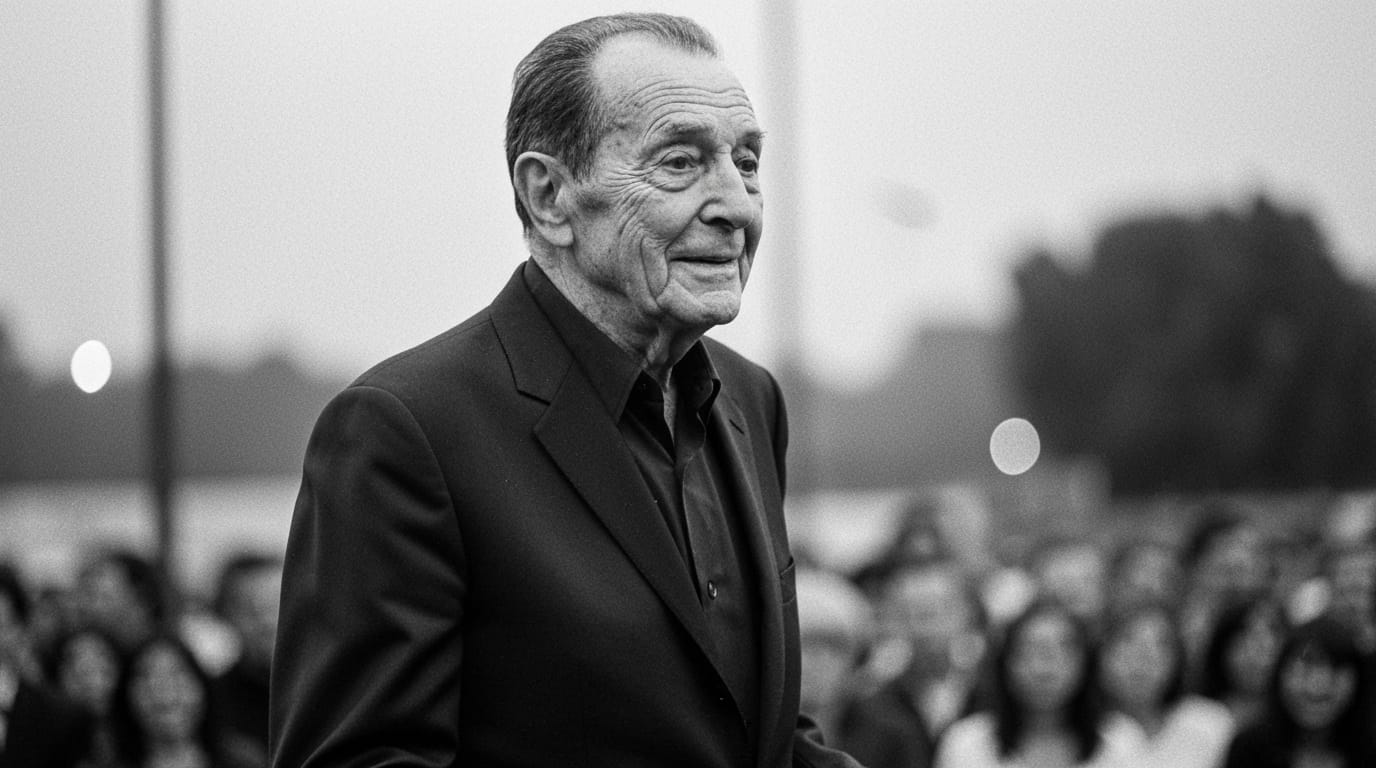
Neil Sedaka, the iconic American singer, songwriter, and pianist whose buoyant melodies and relatable lyrics captivated audiences across multiple generations, died Friday, February 27, 2026, in Los Angeles, California. He was 86 years old. His family confirmed his passing in a statement, remembering him as "a true rock and roll legend, an inspiration to millions, but most importantly, at least to those of us who were lucky enough to know him, an incredible human being who will be deeply missed." No official cause of death was immediately released, though reports indicated he was hospitalized after experiencing an undisclosed medical emergency.
Sedaka's remarkable career spanned more than six decades, marked by two distinct periods of chart-topping success as a performer and an enduring legacy as a songwriter for numerous other artists. From his early days as a teen idol in the pre-Beatles era to his celebrated comeback in the 1970s, Sedaka penned or co-penned over 500 songs, selling millions of records worldwide and crafting a songbook that resonated across diverse musical landscapes.
From Classical Prodigy to Pop Sensation
Born on March 13, 1939, in Brooklyn, New York, Neil Sedaka displayed an innate musical talent from a young age. His journey began not with pop, but with classical music; he started piano lessons at eight and, by age nine, earned a scholarship to the prestigious Juilliard School of Music's Preparatory Division. While initially on a path toward a classical concert career, Sedaka's interests soon gravitated toward the burgeoning world of popular music.
This pivotal shift occurred during his teenage years when he met Howard Greenfield, an aspiring lyricist three years his senior, through a neighbor. This chance encounter blossomed into one of the most prolific songwriting partnerships of the 20th century. Together, Sedaka and Greenfield became key figures in the "Brill Building" sound, a songwriting factory in Manhattan that produced an astonishing array of pop hits in the late 1950s and early 1960s.
Their collaboration quickly yielded success, writing "Stupid Cupid" for Connie Francis, which became a No. 1 hit in the UK and reached No. 17 in the United States in 1958. They also supplied Francis with "Where the Boys Are," the theme song for the 1960 film that became one of her signature tunes. Sedaka himself soon launched a solo recording career, signing with RCA Victor. His first solo single, "The Diary," released in 1958, was inspired by Connie Francis and became his first Billboard Top 20 hit. This was followed by a string of personal hits that defined the early 1960s pop landscape, including "Oh! Carol" (reportedly about his high school sweetheart, Carole King), "Calendar Girl," "Happy Birthday Sweet Sixteen," and his signature 1962 chart-topper, "Breaking Up Is Hard to Do." Between 1959 and 1963, Sedaka sold an impressive 25 million records.
The British Invasion and a Songwriter's Resilience
However, the mid-1960s brought a seismic shift in popular music with the arrival of the Beatles and the British Invasion. Sedaka, like many American solo artists, saw his recording career temporarily eclipsed by the new sound. RCA Victor opted not to renew his contract in 1966, marking a period where his visibility as a performer waned significantly in the United States.
Yet, Sedaka's innate talent as a songwriter ensured his continued relevance. He transitioned to focusing on composing for other artists, a testament to his versatility and the enduring appeal of his melodic craftsmanship. During this period, he penned songs for a diverse range of acts, including The Monkees and The 5th Dimension, demonstrating his ability to adapt to evolving musical tastes. His international popularity remained strong, particularly in the UK and Australia, where he continued to tour and record.
The Resurgence: "Sedaka's Back"
The 1970s ushered in a remarkable second act for Neil Sedaka, a comeback that would solidify his place as a true pop music veteran. In 1970, he moved to London, where he recorded a series of albums that garnered critical acclaim and a devoted following. This renewed European success caught the attention of none other than Elton John, a long-time admirer of Sedaka's work.
Elton John, who was in the process of launching his own Rocket Records label in the United States, offered Sedaka a contract, famously declaring his intention to "make you a star again in America." This partnership proved to be incredibly fruitful. Sedaka's 1974 album, "Sedaka's Back," produced the massive hit "Laughter in the Rain," which climbed to No. 1 on the US Billboard Hot 100. This triumph was swiftly followed by another chart-topper in 1975, "Bad Blood," featuring uncredited backing vocals from Elton John.
Adding to his resurgence, Sedaka's composition "Love Will Keep Us Together" became a monumental No. 1 hit for Captain & Tennille in 1975, even earning a Grammy Award for Record of the Year. Toni Tennille's celebratory exclamation of "Sedaka's back!" at the song's conclusion became a memorable moment in pop history, perfectly encapsulating his triumphant return. In a unique achievement, Sedaka also re-recorded "Breaking Up Is Hard to Do" as a slower ballad, which reached No. 8 in 1976, making it the only song by the same artist to hit the Billboard charts twice with different versions.
An Enduring Legacy in Song
Even after his second wave of mainstream chart success cooled, Neil Sedaka maintained an active and vibrant career as a performer, composer, and recording artist for decades. He toured extensively, captivating audiences with his timeless hits and warm stage presence. His prolific songwriting continued, with his compositions covered by a wide array of artists across genres, from Elvis Presley and Frank Sinatra to The Carpenters and Cher.
Sedaka's impact on music was formally recognized in 1983 when he was inducted into the Songwriters Hall of Fame. Later in his career, he explored his classical roots, releasing "Classically Sedaka" in 1995, an album where he set original lyrics to classical melodies. He also authored an autobiography, "Laughter in the Rain," in 1982. Even in his later years, Sedaka remained dedicated to his craft, performing mini-concerts on social media during the COVID-19 pandemic and continuing to tour until early 2023. Known for retaining his vocal range and enthusiasm, Sedaka once humorously remarked, "It's nice to be a legend, but it's better to be a working legend."
Neil Sedaka is survived by his wife, Leba Strassberg, and their two children, Dara and Marc. His passing leaves a void in the world of popular music, but his extensive catalog of enduring songs, characterized by their memorable melodies and heartfelt sentiment, ensures that his musical legacy will continue to enchant listeners for generations to come.


