New Cross-Border Strikes Deepen Pakistan-Afghanistan Crisis
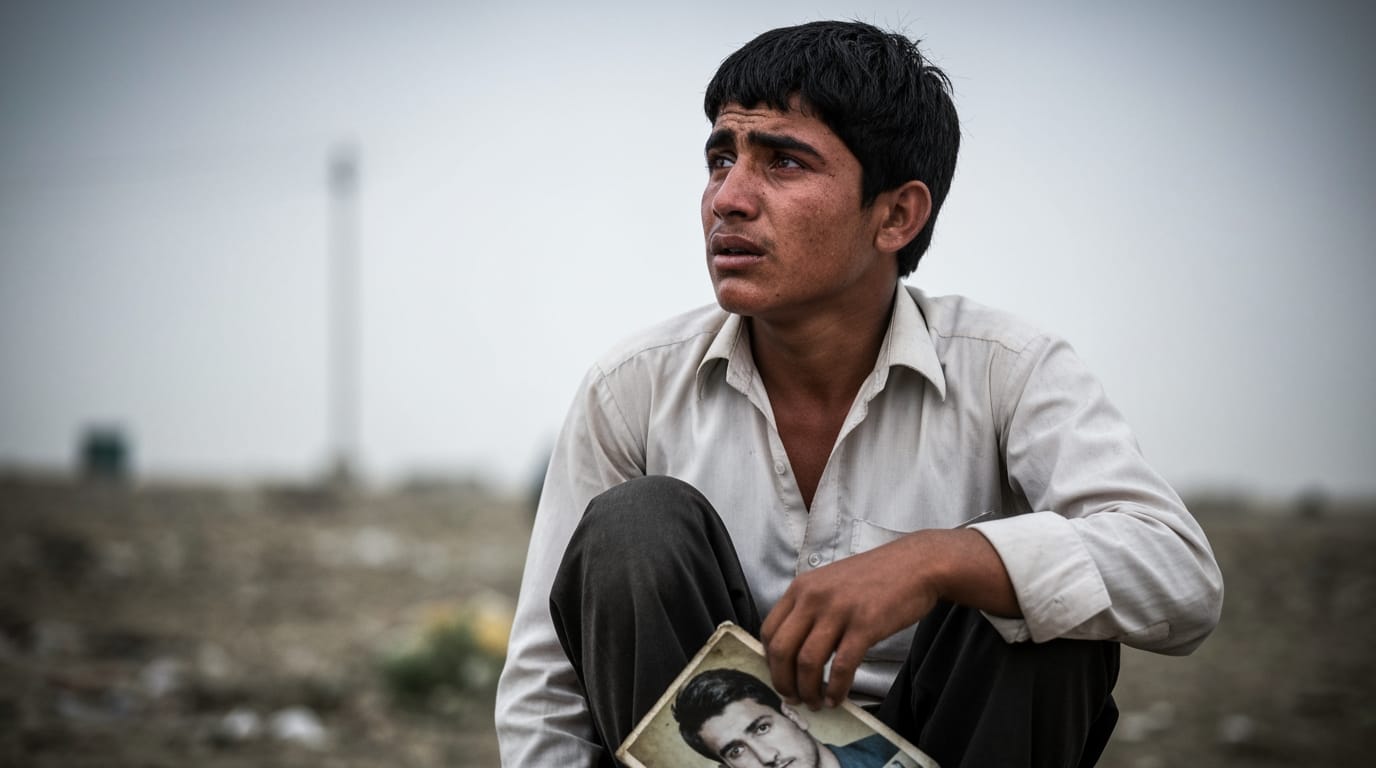
KABUL, Afghanistan – A new wave of deadly Pakistani airstrikes reportedly struck deep inside Afghanistan on Wednesday, June 10, 2026, killing at least 13 people and wounding 14 others, according to officials from the Taliban-led Afghan government. The attacks, targeting the provinces of Khost, Kunar, and Paktika, mark a dangerous escalation in a conflict that has simmered for months, claiming hundreds of lives and pushing the two neighboring nations to the brink of what Pakistan previously declared an "open war." The latest assault comes just a day after a deadly attack by suspected Pakistani Taliban militants on a security post in Pakistan's Khyber Pakhtunkhwa province, underscoring the volatile cycle of violence gripping the porous border region.
Latest Strikes Fuel Outrage as Civilians Bear the Brunt
The predawn strikes on Wednesday elicited immediate condemnation from Kabul. Taliban chief spokesperson Zabihullah Mujahid stated that the Pakistani airstrikes targeted civilian homes, resulting in the deaths of 11 children, one woman, and an elderly man. While there was no immediate official acknowledgment of the strikes from Pakistan's Ministry of Foreign Affairs or military, Pakistani security officials, speaking anonymously, indicated the operations targeted hideouts and facilities allegedly used by Pakistani militant groups operating from Afghan territory. These unconfirmed reports suggest a retaliatory motive, following an attack a day earlier in which suspected Tehrik-i-Taliban Pakistan (TTP) militants assaulted a security post in Hasan Khel, killing six members of Pakistan's Federal Constabulary. Pakistani Interior Minister Mohsin Naqvi, who attended funeral prayers for the fallen personnel, vowed to intensify operations against groups threatening peace and security, emphasizing Pakistan's unity in its fight against militancy.
The precise locations hit on June 10th included areas within Khost, Kunar, and Paktika provinces, according to Afghan officials. An official in Khost province reported nine fatalities and ten injuries from a strike on a house in Spera district, while a resident in Paktika province mentioned three deaths from a separate attack. These incidents have intensified concerns for communities residing along the volatile border, who frequently find themselves caught in the crossfire of this protracted dispute.
Pakistan's Stance: Counter-Terrorism and Sovereign Right
Pakistan has consistently accused the Taliban-led government in Afghanistan of harboring militants, particularly the Tehrik-i-Taliban Pakistan (TTP), a group distinct from but allied with the Afghan Taliban, which has orchestrated numerous deadly attacks within Pakistan. Islamabad asserts that these militant groups exploit Afghan territory to plan and launch assaults, posing a direct threat to Pakistani security. Kabul, however, vehemently denies these allegations, maintaining that Pakistan's security challenges are primarily internal matters.
The roots of the current heightened tensions can be traced back to February 2026, when Pakistan openly declared "open war" against Afghanistan following a surge in militant attacks on its soil. This declaration led to "Operation Ghazab lil-Haq" (Wrath for the Truth), a comprehensive military initiative involving coordinated air and ground strikes against alleged militant hideouts across several Afghan provinces. Pakistan justified these actions as legitimate self-defense against cross-border terrorism, emphasizing its right to protect its citizens. Defence Minister Khawaja Asif warned that Pakistan's patience had worn thin, signaling a shift from defensive deterrence to a more proactive strategy aimed at imposing severe costs on the Afghan Taliban for any continued support to militant groups.
Afghanistan's Denials and Mounting Civilian Casualties
The Afghan Taliban authorities have consistently rejected Pakistan's claims of harboring militants, accusing Islamabad of violating its sovereignty and targeting civilians. They argue that the presence of TTP within Afghanistan is an internal Pakistani issue, and that military operations often harm non-combatants, further inflaming hostilities.
A grim example of this diverging narrative emerged in March 2026, when Afghanistan accused Pakistan of hitting a drug-treatment center near Kabul in an airstrike, leading to a catastrophic death toll of over 400 people. While Pakistan disputed the claim and denied targeting civilians, asserting it struck an ammunition depot, the incident highlighted the significant human cost of the escalating conflict. UN reports from last month indicated that at least 372 Afghan civilians were killed and 397 others wounded in the conflict during the first three months of 2026 alone, with figures for previous periods also showing significant civilian harm.
These strikes, including the recent ones on June 10th, have consistently resulted in civilian casualties, further exacerbating humanitarian concerns. Beyond the immediate loss of life and injury, the conflict has led to the displacement of over 115,000 people since February 2026, damaged civilian infrastructure, and caused the closure of borders, severely impacting trade and access to essential services.
A Dangerous Cycle of Escalation and Regional Instability
The current state of affairs represents the most severe confrontation between Pakistan and the Taliban-led Afghan government since the latter regained power in August 2021. Initial hopes for improved bilateral relations after the Taliban's takeover quickly soured amid recurring border skirmishes and a sharp increase in militant attacks within Pakistan. Major clashes erupted in October 2025, when Pakistani airstrikes, code-named "Operation Khyber Storm," targeted TTP leadership within Afghanistan, prompting retaliatory attacks by the Afghan Taliban on Pakistani military posts. This period saw a reported 37 civilian deaths and 425 injuries from cross-border violence.
Despite diplomatic efforts, including China-brokered talks in March 2026 where both nations reportedly agreed to de-escalate, the cycle of violence has persisted. The Pakistan-Afghanistan border, particularly the disputed Durand Line, remains a flashpoint, with historical grievances and differing perceptions of sovereignty fueling the conflict. The Afghan Taliban's refusal to recognize the Durand Line as an international boundary further complicates resolution efforts.
The geopolitical environment has also played a role, with major global powers largely distracted by other international crises, potentially reducing accountability for actions taken by Islamabad and Kabul. This lack of external pressure, combined with the entrenched positions of both sides, creates a fertile ground for continued confrontation. United Nations experts have called for a fresh ceasefire, urging both Pakistan and the de facto Afghan authorities to commit to a permanent resolution, address the root causes of the conflict, and ensure accountability for international law violations.
An Unresolved Future
The latest deadly airstrikes underscore the deep-seated mistrust and unresolved issues plaguing Pakistan-Afghanistan relations. The immediate aftermath suggests a continuation of the retaliatory cycle, with each action provoking a response, and civilians increasingly caught in the deadly spiral. While Pakistan asserts its right to self-defense against militant threats originating from Afghanistan, the Taliban-led government condemns these actions as violations of its sovereignty, fueling a narrative of external aggression. Without a renewed commitment to sustained dialogue, accountability for civilian harm, and a genuine effort to address the underlying causes of militancy, the border region faces an uncertain future characterized by continued instability and a tragic human toll. The international community, though preoccupied, faces a pressing challenge to encourage de-escalation and facilitate a path toward lasting peace in a region already ravaged by decades of conflict.


