New Recombinant Mpox Strain Emerges, Prompting Global Health Scrutiny
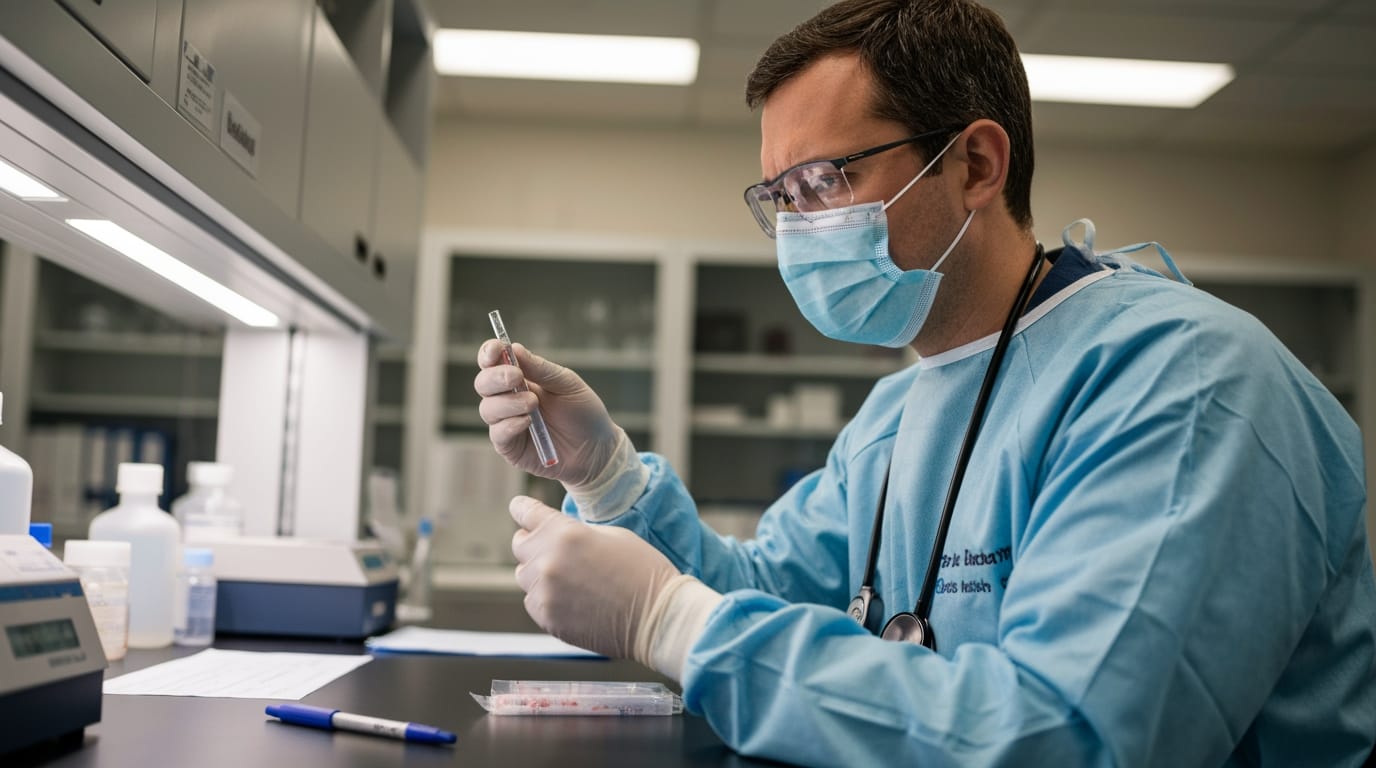
A novel recombinant mpox virus has been identified in England, marking a significant development in the ongoing global monitoring of the disease. This newly detected strain, found in an individual with recent travel history to Asia, fuses genetic material from two distinct mpox lineages: the more severe Clade Ib and the widely prevalent Clade IIb. The emergence of this hybrid variant underscores the virus's adaptive capacity and has initiated an immediate assessment by public health authorities regarding its potential implications for transmissibility, severity, and existing public health interventions.
The Genesis of a Hybrid Threat
The UK Health Security Agency (UKHSA) confirmed the identification of this new mpox strain through meticulous genomic sequencing. The discovery reveals a never-before-seen combination of genetic elements, demonstrating the virus's inherent ability to evolve when different strains co-circulate. This recombination event, identified in a traveler returning from Asia, confirms long-held concerns among scientific communities that continued global mpox circulation could lead to the emergence of novel variants. Orthopoxviruses, the family to which mpox belongs, are known for their capacity to exchange genetic material and generate new variants as a core mechanism of their evolution. This natural viral process presents challenges for disease management, requiring continuous vigilance and genomic surveillance to detect such changes early.
Understanding the Component Clades
The recombinant strain's significance lies in its parentage. Mpox viruses are categorized into two primary genetic clades: Clade I and Clade II, with further subclades like Ib and IIb. Clade Ib, a sub-lineage of Clade I, has historically been associated with more severe disease and a higher mortality rate, sometimes reaching up to 10% in affected populations, particularly in regions of Central Africa like the Democratic Republic of Congo. Its transmission often involves broader routes beyond just sexual contact, including close person-to-person contact and exposure in household settings. In recent times, Clade Ib has shown signs of sustained human-to-human transmission in several non-endemic countries, indicating its expanding geographic footprint.
In contrast, Clade IIb was the predominant strain responsible for the 2022 global mpox outbreak, which saw over 100,000 laboratory-confirmed cases across 120 countries by August 2024. While highly transmissible, particularly through prolonged close physical contact including sexual activity, Clade IIb generally causes a less severe illness, with a significantly lower case-fatality rate of approximately 0.19%. The 2022 outbreak, primarily affecting gay, bisexual, and other men who have sex with men, led to a global health emergency declaration by the World Health Organization (WHO), which was eventually lifted in September 2025 following a decline in case numbers. The mixing of genetic material from a more virulent clade (Ib) and a highly transmissible clade (IIb) raises pertinent questions about the characteristics of this new hybrid.
Public Health Implications and Response
The identification of this recombinant strain necessitates a thorough evaluation of its potential impact on global public health. Experts are particularly focused on whether the new variant exhibits altered transmissibility, increased virulence, or reduced susceptibility to existing diagnostic tests and treatments. While mpox infection is often mild, it can lead to severe complications, especially in children, pregnant individuals, and those with compromised immune systems.
Global mpox cases continue to be reported, with nearly 48,000 confirmed cases and 201 deaths reported to the WHO from 94 countries this year through the end of October. Even with the lifting of the Public Health Emergency of International Concern, both Clade I and Clade II and their subclades persist in circulation globally, particularly driving substantial outbreaks in African countries. This ongoing activity provides fertile ground for further viral evolution. Public health agencies, including the UKHSA, are actively assessing the significance of this new strain, emphasizing the critical need for continued genomic surveillance to understand its characteristics and guide appropriate responses.
The Enduring Importance of Vaccination
Vaccination remains a cornerstone of mpox prevention and control. Existing vaccines, such as Jynneos (also known as MVA), originally developed for smallpox, have demonstrated significant effectiveness against mpox. Studies indicate that the vaccine is approximately 75% to 80% effective in protecting against Clade II mpox, and while specific studies on its effectiveness against the new recombinant strain are pending, protection is anticipated. Health officials across various nations routinely recommend vaccination for eligible high-risk groups, including men who have multiple sexual partners or participate in activities that increase exposure.
Furthermore, advancements in vaccine technology offer promising avenues for future protection. Research into mRNA-based vaccines, similar to those developed for COVID-19, shows potential for more effective responses against evolving mpox strains. A new mRNA mpox vaccine has demonstrated superior protection against severe disease in nonhuman primates compared to currently available vaccines, suggesting a pathway for rapidly updated and highly protective interventions. Continued research and development are vital to ensure the world remains prepared for emerging viral threats.
The detection of this novel recombinant mpox strain serves as a stark reminder of the relentless nature of viral evolution. While public health authorities continue to gather data and assess its full implications, the episode underscores the imperative for sustained global collaboration, robust surveillance systems, and public adherence to vaccination recommendations and prevention guidelines. The ongoing circulation of mpox, coupled with the virus's demonstrated capacity for recombination, highlights the need for continuous vigilance and adaptive public health strategies to mitigate potential risks to global health.