Wildfire Smoke: A Silent Invader Harming Every System of the Body
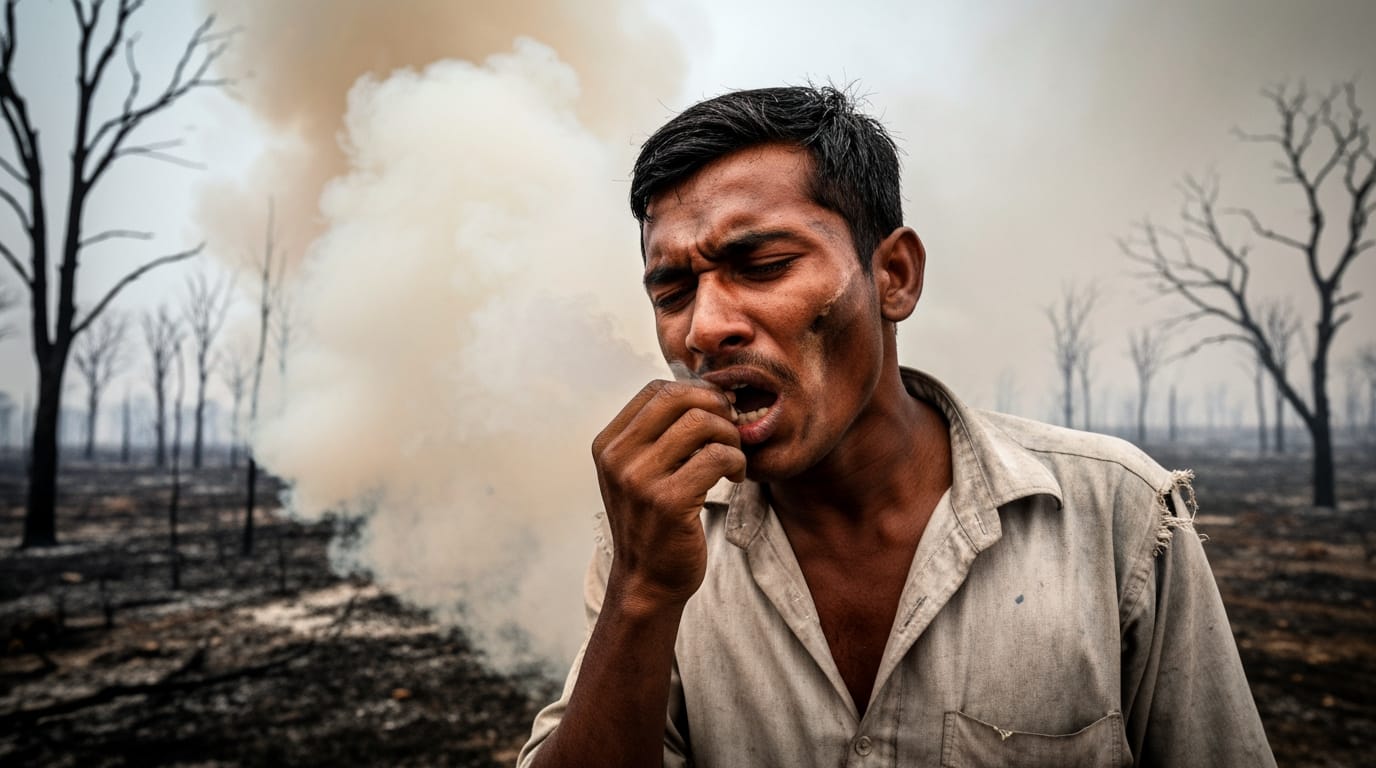
Across regions increasingly besieged by escalating wildfires, a pervasive and insidious threat lurks in the air: wildfire smoke. Far from being a mere respiratory irritant, this complex mixture of gases and fine particles constitutes a profound danger to nearly every organ system in the human body, silently inflicting both immediate and long-term damage that extends well beyond the lungs. As fires intensify and spread globally, understanding the full spectrum of health impacts is crucial for public health and individual well-being.
The Invisible Invasion: Unpacking Wildfire Smoke's Potent Brew
Wildfire smoke is not simply wood smoke; it is a highly toxic cocktail originating from burning trees, plants, buildings, and various other materials caught in a blaze. The primary health concern stems from fine particulate matter, known as PM2.5, particles 2.5 micrometers in diameter or smaller. These microscopic particles, often invisible to the naked eye, are small enough to bypass the body's natural defenses and penetrate deep into the respiratory tract, making their way into the tiny air sacs of the lungs. From there, PM2.5 can even cross into the bloodstream, circulating throughout the body and initiating systemic damage.
Beyond PM2.5, wildfire smoke also contains a hazardous array of gases, including ozone, carbon monoxide, methane, sulfur dioxide, nitrogen dioxide, volatile organic compounds, and polycyclic aromatic hydrocarbons (PAHs). Some of these PAHs are recognized carcinogens, and their presence adds another layer of toxicity to wildfire smoke, which is often considered more dangerous than other forms of air pollution due to its rich carbonaceous compounds and higher oxidative and pro-inflammatory properties. The specific composition and toxicity of the smoke depend on what is burning, encompassing not just natural vegetation but also synthetic materials from urban infrastructure, which can release additional toxins. There is no known safe level of exposure for some of these pollutants, meaning even low concentrations can impact health.
Lungs Under Assault: Respiratory and Cardiovascular Strain
The respiratory system bears the immediate brunt of wildfire smoke inhalation. Short-term exposure can trigger a range of acute symptoms, including coughing, wheezing, throat irritation, stinging eyes, runny nose, and difficulty breathing. For individuals with pre-existing conditions such as asthma, chronic obstructive pulmonary disease (COPD), or bronchitis, smoke exposure can lead to severe exacerbations, increased emergency room visits, and hospitalizations. Even otherwise healthy individuals may experience pulmonary inflammation and temporary reductions in lung function. Long-term or repeated exposure to wildfire smoke is linked to reduced lung function, an increased risk of respiratory infections, and potentially a heightened risk of lung cancer and other chronic lung diseases. Research also indicates that fine particles from smoke may impair the body's ability to effectively clear inhaled foreign materials, including viruses and bacteria, from the lungs.
However, the threat extends beyond the pulmonary system. The cardiovascular system is highly vulnerable to wildfire smoke. When PM2.5 enters the bloodstream, it can cause systemic inflammation and oxidative stress, thereby worsening existing cardiovascular conditions and contributing to new ones. Studies have consistently linked wildfire smoke exposure to an increased risk of heart attacks, heart failure, stroke, and irregular heart rhythms (arrhythmia). Emergency room visits for cardiovascular issues, including unstable chest pain, ischemic heart disease, and heart failure, show significant increases during periods of dense smoke. The American Heart Association has warned that wildfire smoke exposure poses an increased risk for heart disease, with some research indicating that exposure to heavy smoke can raise the risk of out-of-hospital cardiac arrests by up to 70%. These adverse cardiovascular effects can persist for months after the initial smoke exposure has ended. Furthermore, long-term exposure to wildfire smoke has been found to incrementally increase the risk of heart failure, particularly in older adults and vulnerable populations.
Beyond the Breath: A Systemic Threat to Organs and Mind
The systemic reach of wildfire smoke is increasingly evident in its impact on other vital organs and neurological functions. Beyond the respiratory and cardiovascular systems, fine particulate matter and other toxins can deposit in the kidneys, potentially contributing to kidney diseases. The gastrointestinal tract is not spared either, as PM2.5 can enter this system, leading to imbalances in the intestinal microecology. The endocrine system may also be affected, with links drawn between PM2.5 exposure and insulin resistance, which can pave the way for diabetes and other endocrine disorders. Growing evidence points to a broader immune dysfunction, compromising the body's ability to fight infections and increasing lifetime cancer risk.
Perhaps one of the most alarming discoveries is the neurological impact of wildfire smoke. Research suggests that wildfire smoke can affect brain function, manifesting as reduced cognitive performance, memory problems, and mental fatigue. The tiny airborne pollutants can lead to neuroinflammation that can persist for weeks or even months. Studies have linked exposure to an increased risk of stroke and dementia, with acute exposure potentially causing reductions in cognitive function within hours or days. Fine particulate matter is known to directly affect neurons in the brain, disrupting signaling processes and altering the critical connections between them. It can also impair the brain's waste removal processes, such as autophagy. Alarmingly, some studies suggest that exposure in childhood can "fast forward" the aging process, leading to cognitive defects similar to Alzheimer's disease.
The pervasive stress and physiological burden imposed by wildfire smoke also take a toll on mental health. Oxidative stress, neuroinflammation, and hormonal dysregulation triggered by smoke exposure can lead to or worsen psychological diseases, affecting overall mental well-being.
Heightened Vulnerability: Who is Most at Risk and Why
While wildfire smoke poses a risk to everyone, certain populations are disproportionately vulnerable to its adverse health effects. Children are particularly susceptible due to their developing respiratory systems, faster breathing rates, and increased time spent outdoors. Exposure during childhood has been linked to higher instances of respiratory illnesses and potential neuro-developmental disorders. Older adults face elevated risks because of a higher prevalence of pre-existing lung and heart conditions, as well as a natural decline in physiological defense mechanisms with age.
Pregnant individuals and their developing fetuses are also at increased risk. Physiological changes during pregnancy, such as higher respiratory rates and increased blood volume, heighten vulnerability. Exposure to wildfire smoke during critical developmental windows can harm the fetus, leading to outcomes such as lower birth weights, premature birth, and birth defects.
Individuals with chronic conditions like asthma, COPD, heart disease, diabetes, and chronic kidney disease are explicitly identified as highly vulnerable, experiencing more severe symptoms and outcomes from smoke exposure. Outdoor workers are another at-risk group, facing prolonged exposure to high concentrations of smoke.
Furthermore, socioeconomic factors play a critical role in vulnerability. People with lower socioeconomic status often have less access to healthcare, fewer resources for protective measures like air conditioning or air filters, and may reside in housing types that offer less protection from smoke. Unhoused populations are particularly susceptible to the health impacts of wildfire smoke, experiencing significantly higher risks of emergency room visits compared to those with housing. These disparities highlight how environmental hazards can exacerbate existing social inequalities.
A Growing Public Health Challenge
The widespread and profound impact of wildfire smoke underscores a critical and growing public health challenge. As climate change continues to drive more frequent, intense, and geographically expansive wildfires, more communities will face prolonged exposure to this invisible, full-body threat. The effects, ranging from acute respiratory distress and cardiovascular events to insidious long-term conditions like reduced lung function, increased cancer risk, and neurological impairments, necessitate a robust, multi-faceted approach to public health preparedness and mitigation. Recognizing wildfire smoke as a systemic threat, rather than merely a respiratory irritant, is the essential first step in safeguarding human health in an era of escalating fires.