NFL's German Ascent: Berlin's Historic Olympiastadion Joins the Roster, Raising Questions of Future Infrastructure Needs
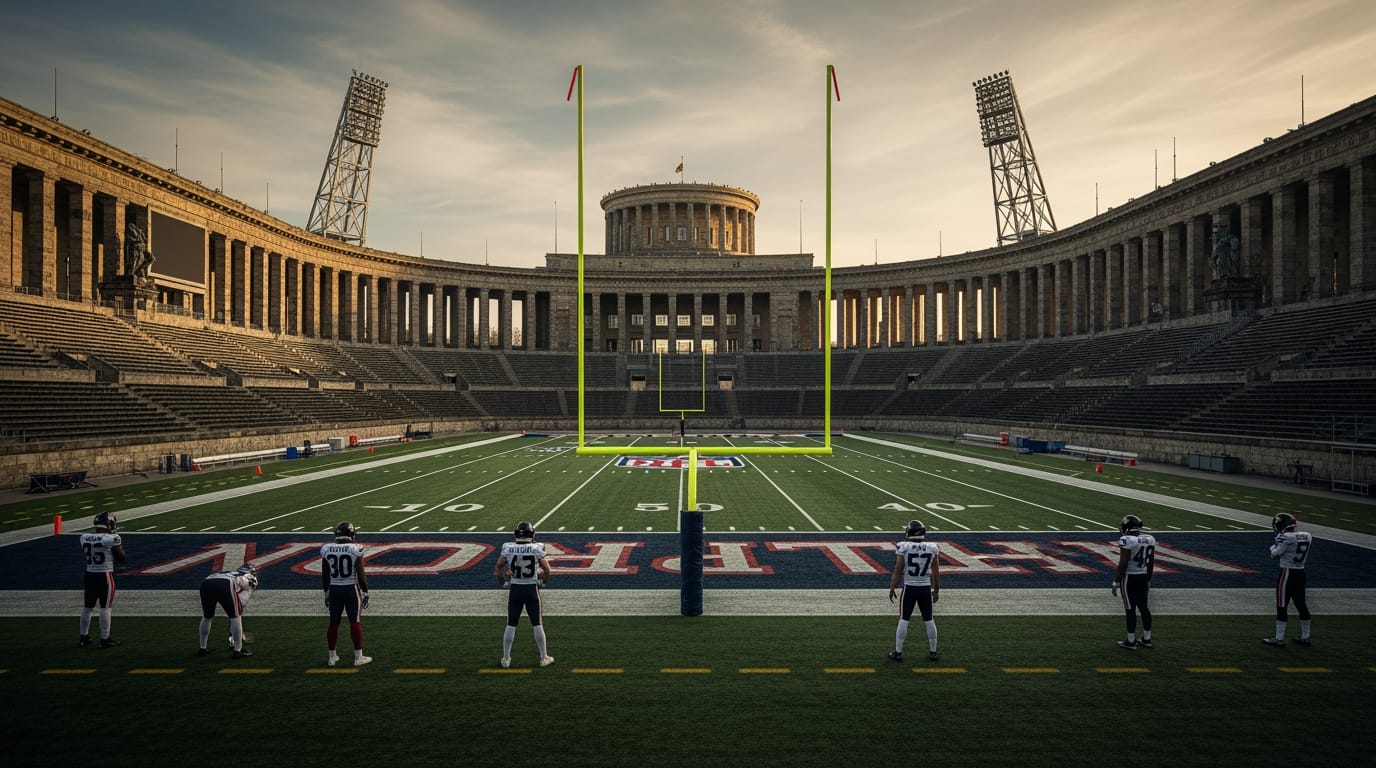
The National Football League (NFL) continues its aggressive international expansion, solidifying its presence in Germany with regular-season games now slated for Berlin's iconic Olympiastadion. While the league celebrates passionate fan engagement and significant economic windfalls in Munich, Frankfurt, and the newly added capital city, the reliance on historic venues primarily designed for soccer prompts a broader question about the long-term sustainability and optimal infrastructure required for the NFL's ambitious global vision. The league's strategic push into Germany underscores its commitment to cultivating a global fanbase, but the blend of historic charm and modern sporting demands presents both opportunities and challenges for American football's European future.
The German Touchdown: A Growing Empire of Fans
Germany has emerged as a cornerstone of the NFL's international growth strategy, a testament to a fanbase that has steadily cultivated an appetite for American football over decades. The league's history in Germany stretches back to the American Bowls in the early 1990s and the popular NFL Europe league, which saw its greatest success in the country. This foundation laid the groundwork for the enthusiastic reception of regular-season games in recent years.
The modern era of NFL Germany games began in 2022, with Munich's Allianz Arena hosting a sold-out contest between the Tampa Bay Buccaneers and the Seattle Seahawks, generating an impressive €70.2 million ($77.5 million) in economic impact for the city. Building on this success, Frankfurt's Deutsche Bank Park hosted two games in 2023, attracting over 100,000 spectators and contributing an even larger economic boost of approximately €110 million ($119 million) to the city. These events have demonstrated immense fan interest, with tickets selling out rapidly and millions tuning in to broadcasts. NFL Germany General Manager Alexander Steinforth noted that Germany boasts nearly 20 million American football fans, highlighting the significant potential for further engagement. The league's Global Markets Program further reinforces this commitment, allowing 11 of the 32 NFL teams to actively market their brands and connect with German fans.
Berlin Takes Center Stage: The Olympiastadion's Storied Future
The latest chapter in the NFL's German expansion sees Berlin officially joining Munich and Frankfurt as a host city. The iconic Olympiastadion is set to host three regular-season NFL games between 2025 and 2029, marking a multi-year commitment. The first of these contests will feature the Indianapolis Colts against the Atlanta Falcons on November 9, 2025. This return to the German capital holds historical significance; the Olympiastadion previously hosted five NFL preseason American Bowl games between 1990 and 1994 and served as the home of NFL Europe's Berlin Thunder from 2003 to 2007.
The Olympiastadion itself is a venue steeped in history, originally commissioned for the 1936 Olympic Games and later extensively renovated for events like the 2006 FIFA World Cup. With a seating capacity of 74,000, it offers a grand stage for NFL action. Recognizing the unique demands of American football, Berlin is making a substantial investment of €12.5 million ($14.3 million) as part of the hosting deal. This funding is earmarked not only for necessary stadium upgrades but also for investments in flag and tackle football development across the city, aiming to foster grassroots growth of the sport. This commitment underscores the city's belief in the long-term benefits of hosting NFL games, including increased tourism and economic activity, mirroring the success seen in Munich and Frankfurt.
The Stadium Conundrum: Tradition vs. Modern Demands
While the historical gravitas and large capacities of venues like Berlin's Olympiastadion and Frankfurt's Deutsche Bank Park are undeniable assets for attracting major events, they also present unique challenges for the NFL. These stadiums, predominantly built for soccer, require significant adaptations to meet the specific needs of American football. One critical aspect is the playing surface. The Olympiastadion, for instance, has installed a stitched hybrid bluegrass field to accommodate the robust nature of NFL play, which is far more demanding on the turf than soccer. The physicality of the sport, involving large athletes colliding and planting firmly, necessitates a more resilient surface than traditional European pitches.
Beyond the field, the overall infrastructure and amenities of historic stadiums can differ from the state-of-the-art, purpose-built NFL stadiums in the United States or even newer international venues like Tottenham Hotspur Stadium in London. While German stadiums have proven capable of hosting thrilling games, the question remains whether these adaptations provide the optimal experience that the NFL seeks for its global spectacle. Deutsche Bank Park in Frankfurt, for example, offers a capacity of 51,500 for American football, which, while substantial, is smaller than many other NFL International Series venues. The ongoing rotation of games between Munich, Frankfurt, and Berlin suggests a pragmatic approach to leveraging existing, high-capacity facilities rather than immediately pursuing the construction of dedicated American football stadiums. This strategy allows the league to tap into established fanbases and infrastructure, but the long-term vision might eventually necessitate purpose-built solutions to fully meet the evolving standards and commercial requirements of the NFL.
Economic Impact and Long-Term Vision
The NFL's foray into Germany is driven by both a passionate fanbase and significant economic incentives. The success of previous games in Munich and Frankfurt, with their multi-million-euro economic impacts, highlights the substantial financial benefits for host cities. Fans attending these games spend considerably more per day than average tourists, injecting capital into local economies through hospitality, retail, and tourism.
This economic success aligns with the NFL's broader international strategy, which aims to achieve annual revenues of $25 billion by 2027. Expanding into key markets like Germany is crucial for this ambitious financial target, as the league seeks new revenue streams and fan growth beyond its domestic borders. The investments made by German cities, such as Berlin's commitment to developing flag football, also reflect a shared vision for cultivating the sport at a grassroots level, ensuring a pipeline of future fans and potentially players. The rotation of games across Munich, Frankfurt, and now Berlin appears to be a calculated strategy to maximize reach and fan engagement across the country, rather than concentrating all efforts in one location. This diversified approach suggests that the league is content, for now, with adapting existing infrastructure while it continues to assess the landscape for sustained long-term growth.
In conclusion, the NFL's burgeoning success in Germany, particularly with the inclusion of Berlin's historic Olympiastadion, marks a significant milestone in its global expansion. The enthusiasm of German fans, coupled with the substantial economic benefits generated by these events, firmly establishes Germany as a pivotal international market for the league. While the historic stadiums of Berlin, Munich, and Frankfurt offer grand settings and ample capacity, their fundamental design as soccer venues raises questions about their ultimate suitability for the NFL's long-term and increasingly demanding needs. For now, strategic adaptations and a rotational model prove effective, but as the NFL's footprint deepens, the conversation around whether these cherished, historic grounds are truly enough to support its full global ambition will likely evolve. Germany's undeniable passion for American football ensures it will remain a central player in the NFL's future, guiding how the league shapes its international infrastructure for decades to come.