Formula 1's Electric Revolution: Navigating a New Era Amidst "Formula E on Steroids" Speculation
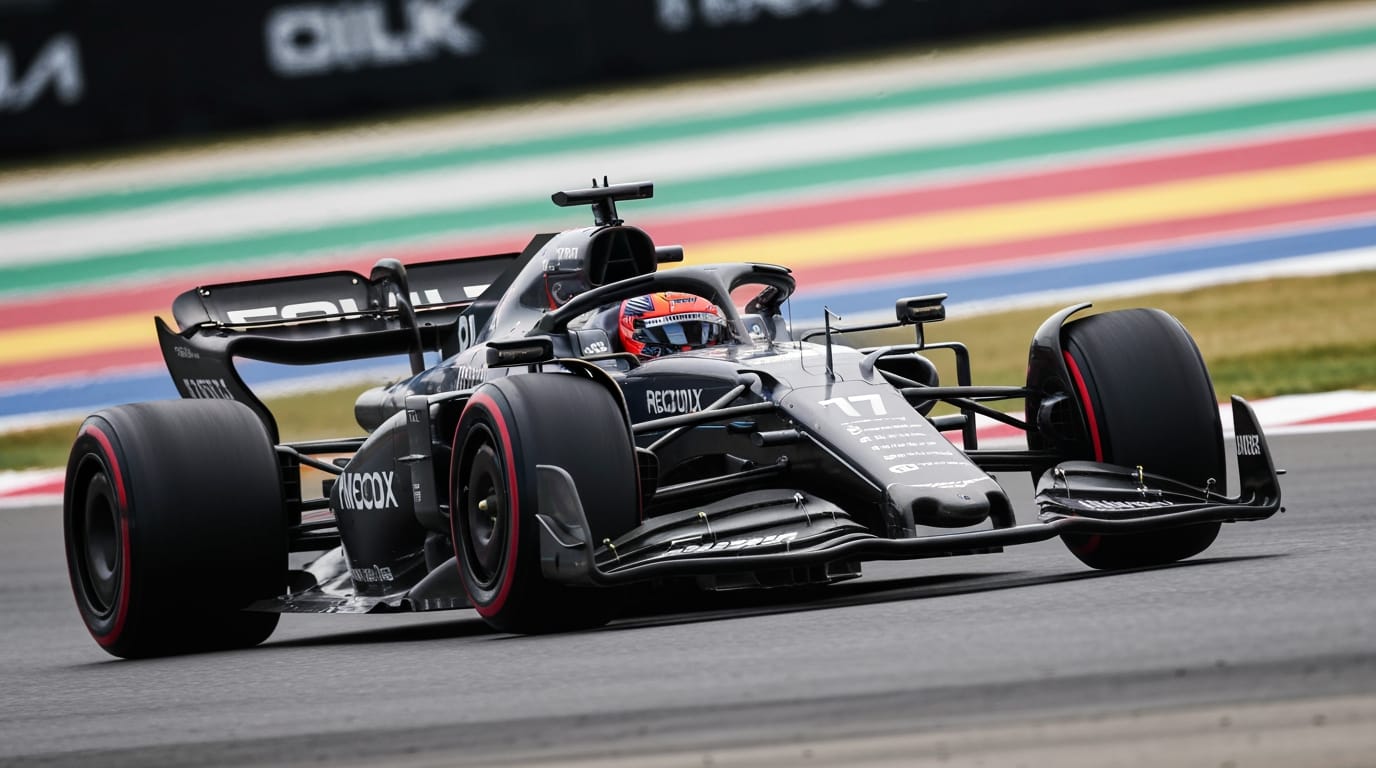
Formula 1 is poised for one of the most transformative overhauls in its illustrious history, with sweeping new technical regulations set to redefine the sport from the 2026 season. These changes, primarily focused on an unprecedented shift in power unit philosophy and a radical aerodynamic redesign, have ignited debate and discussion throughout the motorsport world. While proponents laud the move towards greater sustainability and road relevance, some, including four-time world champion Max Verstappen, have controversially likened the upcoming era to "Formula E on steroids," prompting a closer examination of just how hybrid the pinnacle of motorsport is truly becoming.
Powering the Future: A Hybrid Evolution
At the heart of the 2026 regulations lies a monumental shift in the power unit architecture. The existing 1.6-liter V6 turbocharged internal combustion engine (ICE) will remain, but its electrical component will see a dramatic increase in prominence. For the first time, the power output will be split almost equally, with approximately 50% derived from the ICE and 50% from electrical energy, a significant departure from the previous 80:20 ratio. This equates to the electrical power tripling, with the Motor Generator Unit – Kinetic (MGU-K) output escalating from 120kW to a formidable 350kW (469bhp), while the ICE output is reduced to around 400kW (536bhp). The combined power output is still expected to exceed 1,000 bhp.
Crucially, the complex and costly Motor Generator Unit – Heat (MGU-H), which recovered energy from exhaust gases, has been removed. This decision aims to reduce development expenses and lower the barrier to entry for new manufacturers, successfully attracting new players like Audi and bringing Ford back into partnership with Red Bull Powertrains, alongside existing manufacturers Ferrari, Mercedes, and returning supplier Honda. Adding to the sustainability drive, the new power units will run on 100% advanced sustainable fuels, which are not derived from crude oil and are produced from sources like carbon capture, municipal waste, and non-food biomass. These "drop-in" fuels are designed to be compatible with existing road cars, enhancing the sport's road relevance.
Aerodynamic Agility and Lighter Chassis
Beyond the power unit, the 2026 cars will feature a fundamentally redesigned aerodynamic package and chassis, aiming for more agile, nimble machines that promote closer racing. The cars will be notably shorter, narrower, and lighter, with the minimum weight reduced by 30kg, from 800kg to 768kg. The wheelbase will shrink by 200mm to 3.4 meters, and the overall width will decrease by 100mm to 1.9 meters. Even the Pirelli tires will be narrower, by 25mm at the front and 30mm at the rear, contributing to reduced drag and weight.
Perhaps the most visible change is the introduction of full-time active aerodynamics, which replaces the Drag Reduction System (DRS). Both the front and rear wings will dynamically adjust their angle depending on the circuit section. In "Straight Mode" (or "X-Mode"), flaps will open to minimize drag and maximize top speed, while "Corner Mode" (or "Z-Mode") will close the flaps to provide maximum downforce and grip. The previous ground-effect venturi tunnels are also largely gone, replaced by flatter floors, leading to an overall reduction in downforce by approximately 15-30% and drag by up to 40-55%. These aero changes are intended to remove the turbulent out-washing air that made following difficult, thereby encouraging more overtakes.
The Driver's New Challenge: Energy Management and Racecraft
The 2026 regulations will place a significantly greater emphasis on driver skill, particularly in managing the sophisticated hybrid power units. With the increased electrical component and the removal of the MGU-H, energy management will become a critical factor in determining race outcomes. Drivers will need to strategically utilize "Recharge" modes, harvesting energy from braking, part-throttle, or even "super clipping" at high speeds, to replenish their batteries. The deployment of this stored energy will also be a tactical decision.
A new "Overtake Mode" will effectively replace DRS, providing attacking cars with an additional burst of electrical energy when within one second of a rival at designated track points. This system will allow an extra 0.5MJ of energy to be deployed, sustaining a higher speed for a longer period. However, this deployment comes with a trade-off, as the energy must subsequently be recovered, adding another layer of strategic complexity. The removal of the MGU-H also reintroduces the potential for turbo lag, requiring drivers to adapt their throttle application, especially out of slow corners and at race starts. This increased mental load and the need for meticulous energy conservation have led some drivers to express concerns about the driving experience and the shift towards "management" over pure flat-out racing.
More Than Just "Formula E on Steroids": Distinguishing the Pinnacles
The assertion by some, including Max Verstappen, that the 2026 Formula 1 cars will resemble "Formula E on steroids" highlights the growing electrification of F1 but also risks oversimplifying the fundamental differences between the two series. While F1 is indeed embracing a higher degree of electrification and energy management, these shared principles do not equate to identical racing.
Formula 1 cars will retain a powerful internal combustion engine, contributing roughly half of the total power, making them hybrid vehicles in the truest sense. This contrasts sharply with Formula E, which is an entirely electric racing series. The overall power output of a 2026 F1 car will still significantly exceed that of a Formula E car, which develops around 300 kW (402 bhp) in race trim, compared to F1's more than 1,000 bhp. Consequently, F1 cars will maintain much higher top speeds and average speeds on circuits, which often feature long straights and fast corners across diverse global venues. Formula E, by design, often races on tighter street circuits, optimizing for its specific powertrain characteristics.
Furthermore, the aerodynamic philosophy, even with the reduction in downforce, will remain far more advanced and critical in Formula 1 compared to Formula E, where aerodynamics play a lesser role and grip is significantly lower due to different tire compounds. While Formula E's Gen4 cars for 2026-2027 will also feature power increases and all-wheel drive, F1's comprehensive blend of sophisticated ICE and potent electrical systems, coupled with cutting-edge active aerodynamics and advanced chassis design, ensures it maintains its distinct identity as the pinnacle of hybrid motorsport technology and speed.
Conclusion
The 2026 Formula 1 season marks a radical new chapter for the sport, driven by a commitment to innovation, sustainability, and technological relevance. The increased electrification of power units, coupled with active aerodynamics and lighter, more agile chassis, promises a new spectacle that demands a greater degree of strategic energy management from its drivers. While the parallels with Formula E in terms of electrical emphasis are undeniable, the core characteristics of Formula 1 — its immense power, blistering speed, and blend of combustion and electric prowess — will ensure it retains its unique position as the ultimate test of hybrid racing technology. The "Formula E on steroids" analogy, while provocative, ultimately undersells the distinct challenges and engineering marvels that will define this exciting new era for Formula 1.