Paralympic Winter Games: A Beacon of Athletic Prowess and Inclusivity
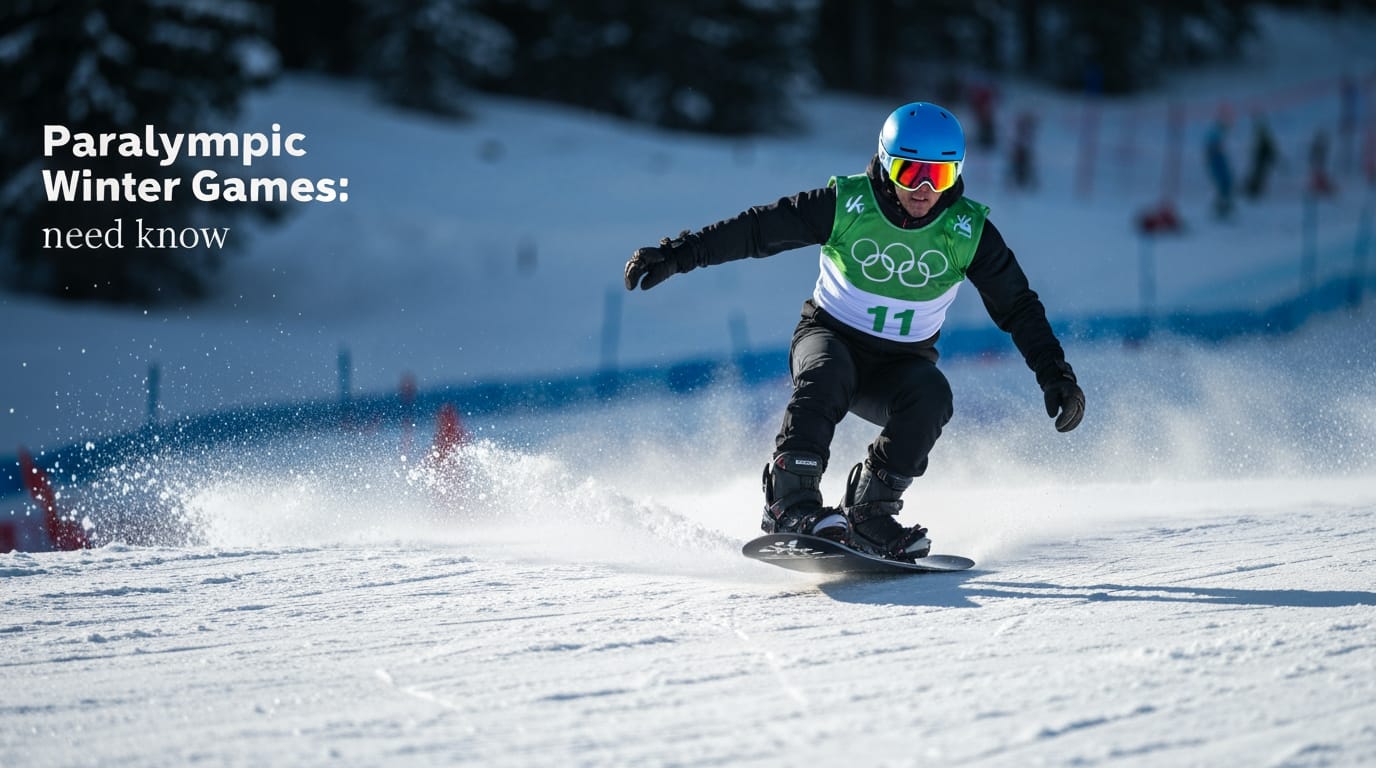
The Paralympic Winter Games stand as a powerful testament to the indomitable human spirit, showcasing elite athletes with physical, visual, and intellectual disabilities competing on the world's grandest stages of snow and ice. Held every four years, directly following the Olympic Winter Games and often in the same host cities, these Games are more than just a sporting event; they are a global celebration of ability, determination, and the ongoing pursuit of a more inclusive society. From pioneering adaptive equipment to meticulously designed classification systems, the Paralympic Winter Games push the boundaries of athletic achievement while fundamentally reshaping societal perceptions of disability.
A Legacy Forged in Resilience and Growth
The roots of the Paralympic Movement are deeply intertwined with rehabilitation efforts following World War II, where sport was recognized as a crucial tool for physical and mental recovery among injured service members. This foundational principle eventually blossomed into organized competitive sports. The first Winter Paralympic Games took place in Örnsköldsvik, Sweden, in 1976. These inaugural Games marked a significant milestone, welcoming athletes with impairments beyond just those using wheelchairs for the first time. A total of 198 athletes from 16 countries competed in Para alpine skiing and Para cross-country skiing events.
Over the decades, the Games have experienced substantial growth and evolution. Ice sledge speed skating was added as a medal event at the second Winter Paralympics in Geilo, Norway, in 1980. A pivotal moment arrived in 1992 when the Winter Paralympics were first hosted in the same facilities as the Winter Olympic Games, in Albertville, France. This integration, formalized through an agreement between the International Olympic Committee (IOC) and the International Paralympic Committee (IPC), solidified the Paralympics' status as a parallel and equally significant international sporting spectacle. The formation of the International Paralympic Committee (IPC) in 1989 further unified the governance and development of the Paralympic Movement, bringing consistency to classification, athlete eligibility, and sport development across both Summer and Winter Games.
The Arena of Adapted Excellence: Winter Sports on Display
The Paralympic Winter Games currently feature six core sports, each demanding exceptional skill, strength, and precision from its competitors. These disciplines include Para alpine skiing, Para biathlon, Para cross-country skiing, Para ice hockey, Para snowboard, and wheelchair curling. These sports offer a diverse range of challenges across various snow and ice conditions.
Para alpine skiing features events such as slalom and giant slalom, where athletes compete across categories including standing, sitting, and visually impaired. Athletes use adapted equipment like mono-skis or outriggers, while visually impaired skiers are guided by sighted companions. Para biathlon combines the endurance of cross-country skiing with the precision of rifle shooting, testing athletes' physical stamina and marksmanship. Similarly, Para cross-country skiing, also known as Nordic skiing, is open to athletes with cerebral palsy, amputations, visual impairments, and those requiring wheelchairs.
Para ice hockey (formerly ice sledge hockey) is a fast-paced, high-impact sport where athletes with lower limb disabilities use sledges and two-ended sticks to propel themselves and shoot the puck. Wheelchair curling, a strategic and nuanced team sport, is open to athletes with permanent lower limb disabilities who use wheelchairs in their daily lives. The newest addition to the program is Para snowboard, which debuted at the Sochi 2014 Paralympic Winter Games. This dynamic sport includes events like snowboard cross and banked slalom, with categories for various lower and upper limb impairments. The continuous evolution of sports and event categories reflects the adaptability and innovation inherent in the Paralympic Movement.
Leveling the Playing Field: The Classification System
Central to the integrity and fairness of the Paralympic Games is the intricate classification system. This system ensures that success is determined by an athlete's skill, training, and strategy, rather than the nature or severity of their impairment. Athletes are grouped into "sport classes" based on the degree to which their impairment affects their ability to perform in a specific sport.
The classification process is extensive, involving interviews, physical assessments, and sometimes technical evaluations by a panel of classifiers. Athletes must possess an "eligible impairment" resulting from an underlying health condition, such as impaired muscle power, limb deficiency, leg length difference, ataxia, athetosis, or vision impairment. Importantly, not all impairments qualify, and the minimum impairment criteria vary by sport and discipline to reflect the specific demands of each activity. For instance, in Para alpine skiing, athletes compete in standing, sitting, or vision-impaired categories, with results often determined by factored timing to account for different levels of impairment. This complex yet vital system aims to create a level playing field, highlighting athletic excellence above all else.
Beyond the Medals: A Catalyst for Social Change
The impact of the Paralympic Winter Games extends far beyond the competition venues. They serve as a powerful platform for social inclusion, challenging stereotypes and fostering positive attitudes towards disability worldwide. By showcasing the extraordinary capabilities of Para athletes, the Games inspire millions and demonstrate that physical or visual impairments do not define an individual's potential.
Research indicates that following Para sport leads to a greater likelihood of supporting people with disabilities through actions such as donating, raising awareness, or advocacy. The Games play a unique role at the intersection of sport, culture, and social progress, driving systemic change and providing increased opportunities for people with disabilities in various aspects of life. They promote the idea that athletic prowess and human potential are boundless, regardless of physical condition, thus helping to dismantle barriers and foster a more equitable and accessible global community.
Milano Cortina 2026 and the Future Horizon
The upcoming Milano Cortina 2026 Paralympic Winter Games are set to continue this powerful tradition. Scheduled to take place from March 6 to 15, 2026, across various venues in northern Italy, including Verona, Milan, Cortina d'Ampezzo, and Tesero, these Games anticipate welcoming approximately 665 athletes. These elite athletes will vie for medals across 79 events within the six core sports.
Anticipation is already building, with millions across Europe expected to follow the Games through free-to-air broadcasting. The organizers are focused on delivering a spectacular event that not only highlights athletic achievement but also reinforces the Games' role in driving social inclusion for the world's 1.3 billion persons with disabilities. As the Paralympic Movement looks to the future, it continues to embrace innovation in adaptive equipment and classification, alongside sustained efforts to expand participation and global reach.
In conclusion, the Paralympic Winter Games represent a pinnacle of human endeavor, transforming challenges into triumphs on the global stage. From their humble beginnings as a rehabilitation initiative to their current status as a major international sporting event, the Games have consistently championed the spirit of perseverance, redefined what is possible, and served as an unwavering force for social change. Through unparalleled athletic performances and a steadfast commitment to inclusivity, the Paralympic Winter Games continue to inspire, demonstrating the extraordinary power of sport to unite, uplift, and empower.