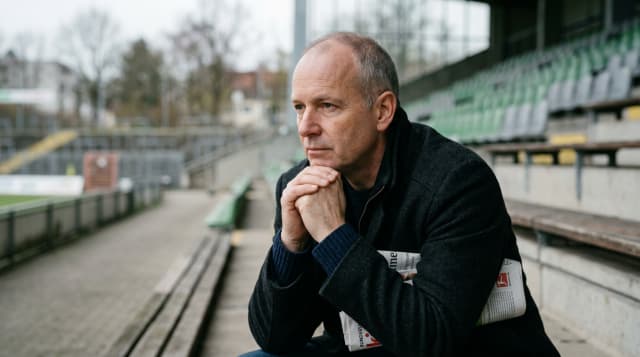
Laura Müller Forges New Path as F1's First Female Race Engineer, Inspiring a Generation
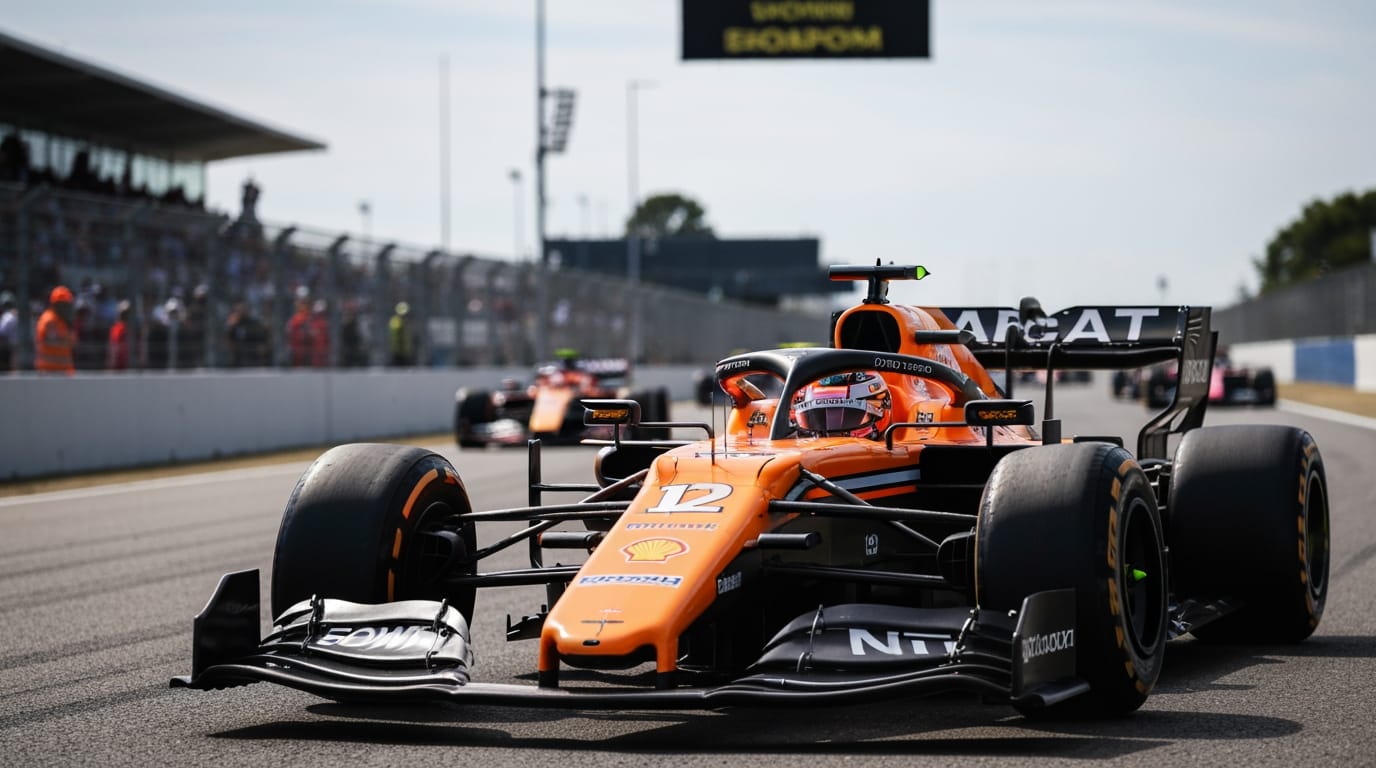
Formula 1, a realm historically dominated by men, has witnessed a significant shift with the promotion of Laura Müller to the role of Race Engineer for the Haas F1 Team. This landmark appointment not only signifies a personal triumph for Müller but also carves a pioneering path for women within the highest echelons of global motorsport, setting a precedent for diversity and inclusion on and off the track. Her ascent is a powerful statement about meritocracy and the changing landscape of F1.
Müller, a 33-year-old German national and a self-professed admirer of racing legend Michael Schumacher, has meticulously built a career culminating in this groundbreaking position. Her journey began not with a predetermined ambition for engineering in school, but rather a rekindled passion for motorsport after a year spent abroad following her studies. She pursued automotive engineering in Munich, laying the technical foundation for her eventual trajectory into the fast-paced world of Formula 1. Her professional career in motorsport commenced in 2020, gaining experience as a race engineer in the European Championship before joining the Haas F1 Team in 2022 as a performance engineer. This progression underscores her dedication and the comprehensive expertise she brings to her new role.
As a Race Engineer, Müller's responsibilities are extensive and critical to a team's performance. Her duties involve making crucial decisions on car setup before and during race weekends, a complex task requiring close collaboration with various engineering groups focused on aerodynamics, tires, and overall performance. She works directly with mechanics to ensure the car is prepared to exacting standards and provides continuous feedback to both the engineering teams and the driver to optimize performance. Furthermore, she bears the responsibility of ensuring all aspects under her purview adhere to legal regulations. This high-pressure role demands technical acumen, strategic thinking, and seamless communication, making her voice, often heard on television broadcasts, a central component of the team's race-day operations. She will be the primary radio contact for Haas driver Esteban Ocon.
Müller's promotion transcends a mere career advancement; it is a pivotal moment for women in motorsport. Her position as F1's first female Race Engineer unequivocally breaks down historical barriers and establishes a tangible role model for countless aspiring women and girls. While the motorsport industry has long been perceived as a male-dominated environment, Müller's success sends a clear message that talent and hard work can overcome gender-based stereotypes. Haas Team Principal Ayao Komatsu explicitly stated that Müller's appointment was based on her skills and work ethic, rather than her gender, yet acknowledged the significant cultural importance of her promotion. This nuanced recognition highlights the industry's evolving understanding of diversity, focusing on capability while celebrating milestones that inspire change.
Beyond the immediate impact on the Haas team, Müller's achievement ignites broader conversations about diversity and inclusion within Formula 1 and STEM fields at large. Her visibility is crucial in inspiring the next generation of female engineers and professionals, demonstrating that a variety of roles are attainable for women in F1. Müller herself offers candid advice, emphasizing that success is rarely achieved in isolation, requiring support and belief from others. She also encourages young women to "take no crap" and to understand that a passion for a field can lead to success even if initial academic interests diverged. Her personal journey, marked by a late discovery of her engineering passion, reinforces the idea that career paths are not always linear and that dedication can lead to unforeseen opportunities. Her breakthrough sparks dialogue, not just about representation, but about fostering environments where individuals can thrive regardless of traditional gender roles, thereby paving the way for a more equitable future in motorsport.
Laura Müller's rise to the unprecedented role of Formula 1 Race Engineer for the Haas F1 Team marks a historic moment, shattering long-standing gender barriers within a globally recognized sport. Her journey, built on passion, skill, and unwavering determination, provides a powerful testament to merit and serves as a beacon of inspiration for women aspiring to careers in motorsport and beyond. As her voice guides Esteban Ocon through the complexities of Grand Prix weekends, it also echoes a louder message of opportunity and change, signaling a future where talent, not gender, defines one's place at the pinnacle of racing. Her legacy will undoubtedly extend far beyond the pit wall, influencing generations and driving forward the essential conversation about diversity and inclusion in high-performance industries.