Nigeria Recalls Citizens as Anti-Migrant Protests Escalate in South Africa, Diplomatic Tensions Rise
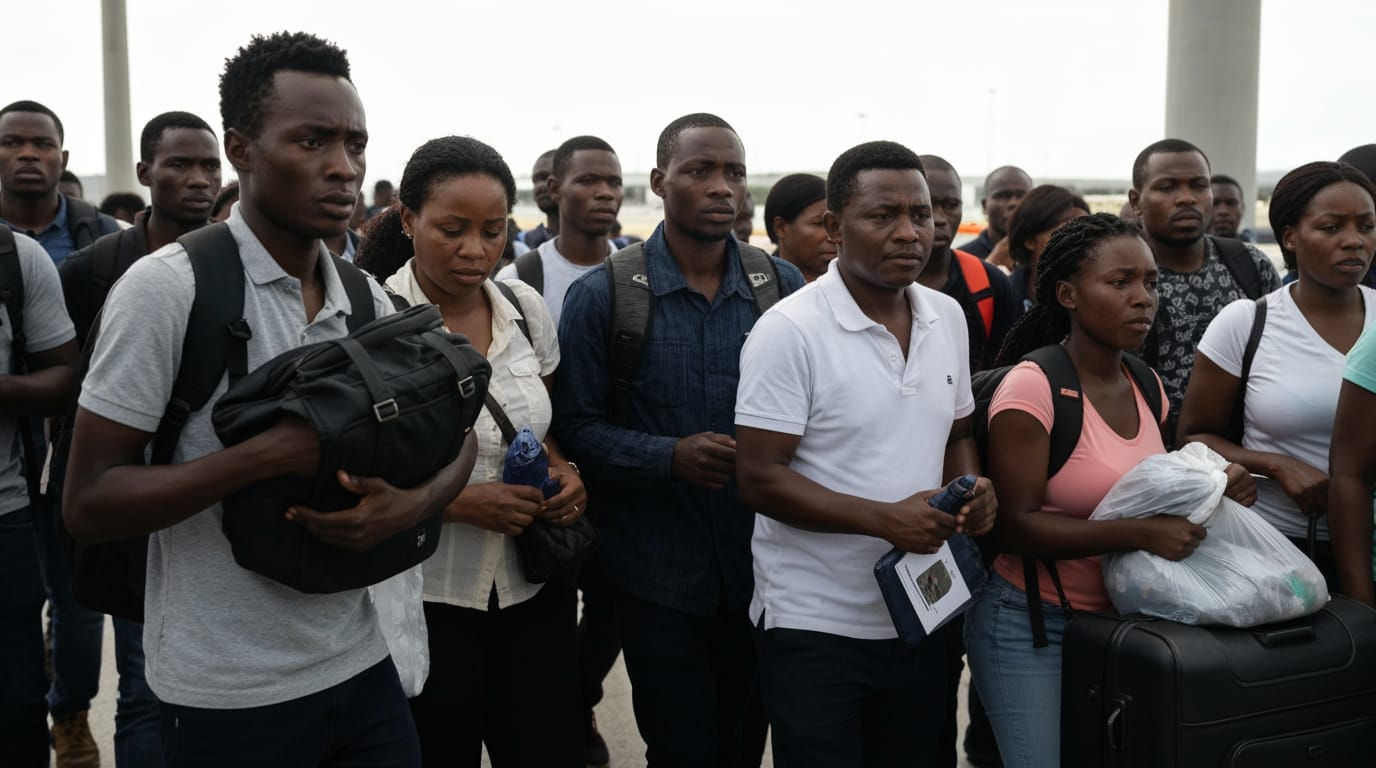
Nigeria has initiated the emergency evacuation of at least 130 of its citizens from South Africa, a decisive move following a renewed wave of anti-foreigner violence and protests that have heightened diplomatic tensions between the two African powerhouses. The evacuation comes amidst confirmation of two Nigerian deaths linked to alleged interactions with South African security personnel, prompting Abuja to issue a strong condemnation and summon South Africa's acting High Commissioner.
The decision to repatriate citizens underscores Nigeria's profound concern over the safety and well-being of its diaspora in South Africa, a nation grappling with persistent xenophobic sentiment. While South African authorities have condemned the recent incidents, the recurring nature of such violence continues to strain bilateral relations and raises critical questions about migrant protection and accountability on the continent.
Escalating Tensions and Emergency Evacuation
The Nigerian Ministry of Foreign Affairs confirmed that at least 130 Nigerians have registered for voluntary evacuation flights, with the number expected to increase as the situation develops. This emergency measure follows a directive from President Bola Tinubu, who has emphasized the paramount importance of ensuring the safety of Nigerian citizens abroad. The recent unrest included protests spearheaded by local anti-migration movements in Pretoria and Johannesburg between April 27 and 29, 2026. These demonstrations, while largely peaceful, necessitated a heavy police presence, with security forces occasionally deploying teargas to prevent violent escalation.
Notably, Nigerian officials reported no fatalities or destruction of Nigerian-owned properties during these specific April protests. However, the evacuation effort was significantly spurred by the confirmed deaths of two Nigerian nationals in separate incidents prior to these demonstrations, both allegedly involving South African security personnel. Amamiro Chidiebere Emmanuel reportedly died on April 25, 2026, from injuries sustained after an alleged beating by military personnel of the South African National Defence Force on April 20, 2026, in Port Elizabeth. In another tragic incident, Nnaemeka Matthew Andrew was found dead at the Pretoria Central Mortuary on April 20, 2026, following an alleged interaction with members of the Tshwane Metro Police. Nigerian Foreign Affairs Minister Bianca Odumegwu-Ojukwu described these incidents as "unacceptable and condemnable," demanding full accountability and justice from South African authorities.
A History of Xenophobia and its Roots
Xenophobic violence has been a deeply entrenched and recurring challenge in post-apartheid South Africa since 1994, consistently targeting foreign nationals, particularly those from other African countries. These migrants are often scapegoated for South Africa's socio-economic woes, including high unemployment rates, rising crime, and perceived strain on public services. Major outbreaks of violence, such as those in 2008 which resulted in 62 deaths, and another significant wave in 2015, have previously prompted foreign governments to repatriate their citizens.
A significant factor contributing to the perpetuation of this violence is the persistent lack of accountability for xenophobic crimes, with very few convictions recorded in connection with past attacks. Furthermore, public statements by certain South African politicians have faced criticism for allegedly inciting anti-immigrant sentiment. The rise of online movements, such as "Operation Dudula" and "Put South Africans First," has further intensified xenophobic rhetoric, especially in the run-up to elections, contributing to an atmosphere of hostility. Statistics from Xenowatch reveal the grim toll of this violence, reporting 669 deaths, 5,310 looted shops, and 127,572 displacements between 1994 and March 2024. A 2018 Pew Research poll further highlighted this pervasive sentiment, indicating that 62% of South Africans held negative views toward foreign nationals living and working in the country.
Diplomatic Fallout and Bilateral Responses
In response to the escalating crisis, the Nigerian government formally summoned South Africa's acting High Commissioner to Abuja to convey its "profound concern" regarding the recent attacks and the documented mistreatment of its citizens and their businesses. The Nigerian Ministry of Foreign Affairs has urged the Nigerian public to remain calm, reassuring them of the government's unwavering commitment to protecting the rights and well-being of its citizens residing in South Africa.
On the South African side, President Cyril Ramaphosa and other senior government officials have publicly condemned the violence, while simultaneously calling on foreign nationals to adhere to local regulations. President Ramaphosa has also acknowledged the historical support provided by other African nations during South Africa's struggle against apartheid, a point often invoked in appeals for solidarity. South Africa had previously launched a National Action Plan to combat xenophobia, racism, and discrimination in March 2019. However, human rights organizations and experts have questioned its effective implementation and overall impact, pointing to the continued cycles of violence.
This is not the first instance of a mass evacuation. In 2019, a similar wave of xenophobic attacks prompted a Nigerian private airline, Air Peace, to offer free flights for Nigerians wishing to return home. That operation, however, faced delays due to issues with landing permits and profiling of evacuees by South African authorities.
A Fragile Path Forward
The current crisis underscores the enduring and complex nature of xenophobia in South Africa and its far-reaching implications for regional stability and diplomatic relations. Nigeria has demanded justice and accountability for the deaths of its citizens, signaling a firm stance on the issue. Both nations have made efforts to bolster cooperation, including through a memorandum of understanding on early warning mechanisms designed to prevent violence against foreign nationals.
Despite official condemnations and diplomatic engagements, the palpable fear among the migrant population persists. The upcoming May 2024 elections in South Africa, against a backdrop of significant socio-economic inequalities, are widely seen as a period where xenophobic rhetoric and sentiment could further intensify. The ability of both the Nigerian and South African governments to effectively address the root causes of xenophobia, ensure proper accountability for violence, and genuinely protect foreign nationals will be critical in shaping future relations and fostering a more inclusive environment within the continent. The recurrent nature of these incidents demands not just condemnation, but concrete, sustained action to prevent further loss of life and to uphold the principles of Pan-African solidarity.


