Nigeria Seeks French Aid Amid Worsening Security Crisis, Macron Pledges Support
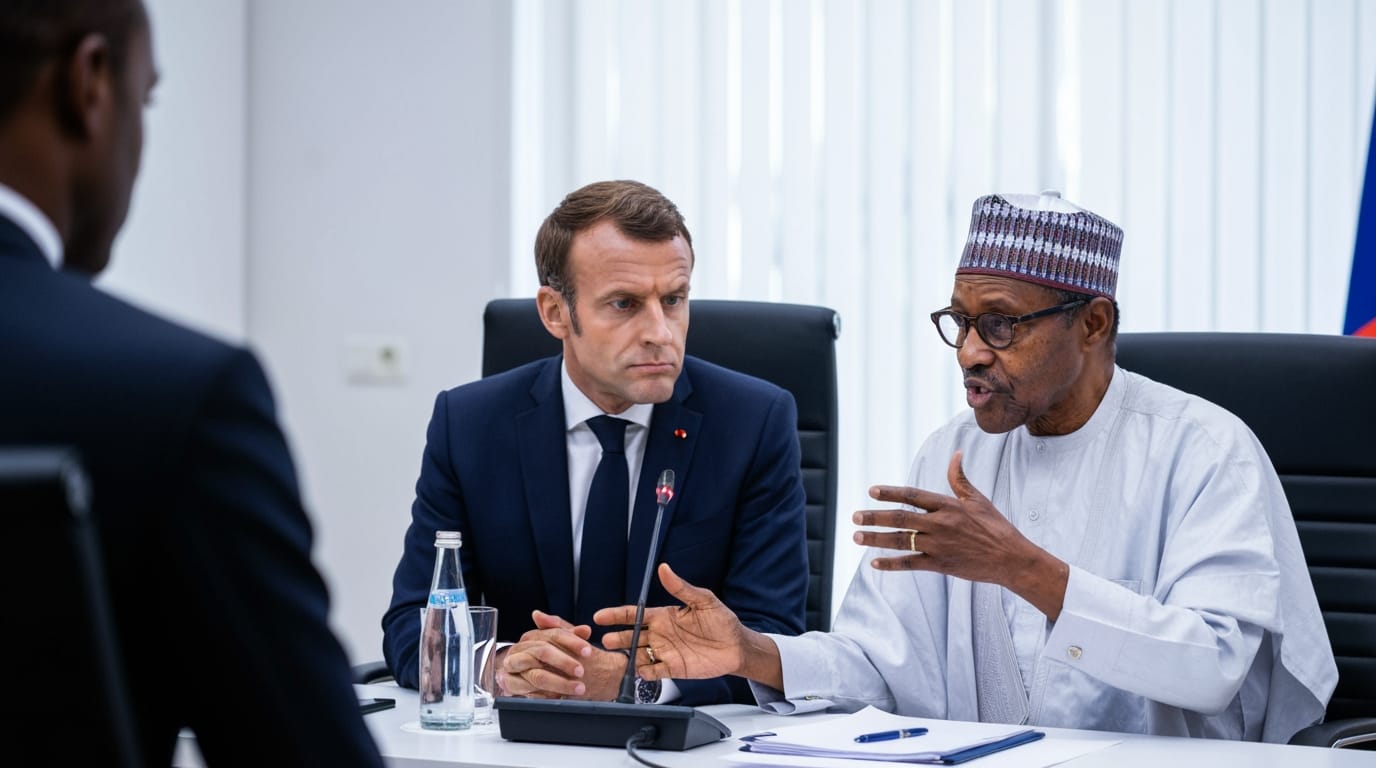
Abuja, Nigeria – Facing a rapidly escalating security crisis marked by widespread violence and mass abductions, Nigeria has officially sought enhanced assistance from France, a request that French President Emmanuel Macron has affirmed with a pledge of strengthened partnership. The development underscores the severe challenges confronting Africa's most populous nation and highlights the growing international concern over instability in the West African region.
President Bola Tinubu of Nigeria reached out to his French counterpart, seeking additional support to combat the multifaceted insecurity predominantly afflicting the country's northern states. On Sunday, December 7, 2025, President Macron confirmed the dialogue, conveying France's solidarity with Nigeria and committing to intensify cooperation at the Nigerian leader's behest. This commitment arrives as Nigeria grapples with a complex web of threats, from long-standing insurgencies to a surge in criminal activities that have destabilized communities and displaced millions.
A Nation Under Siege: Nigeria's Security Landscape
Nigeria's security apparatus is stretched thin by an array of non-state actors perpetrating violence across several regions. The northeast continues to battle a persistent Islamist insurgency, primarily waged by Boko Haram and its splinter faction, the Islamic State West Africa Province (ISWAP). These groups have been responsible for tens of thousands of deaths, mass displacements, and a severe humanitarian crisis over the past decade.
Beyond the insurgency, the northwest and central regions are plagued by armed banditry, a phenomenon characterized by organized criminal gangs engaged in kidnapping for ransom, highway robbery, and brutal attacks on villages. These bandit groups have demonstrated increasing sophistication, with some reports suggesting alliances and collaborations with jihadist factions, blurring the lines between ideologically driven terrorism and profit-motivated criminality. Recent weeks have witnessed a disturbing upsurge in these attacks, including several mass kidnappings from schools and a church, sparking widespread alarm both domestically and internationally. Adding to the complexity are deadly clashes between predominantly Muslim cattle herders and mostly Christian farmers, particularly in the central belt, fueled by competition for resources and ethnic-religious tensions.
In response to the deteriorating situation, President Tinubu declared a nationwide security emergency on November 26, 2025, and initiated plans for significant recruitment into the Nigerian Armed Forces and police force to bolster the country's defense capabilities.
France's Commitment and Regional Strategy
President Macron's statement, posted on his official X handle, acknowledged the "various security challenges, particularly the terrorist threat in the North." He conveyed France's unwavering solidarity and emphasized that the partnership with Nigerian authorities would be strengthened, alongside increased support for affected populations. Significantly, Macron also issued a broader call to the international community, urging all partners to "step up their engagement," asserting that "No one can remain a spectator" to the unfolding crisis.
While specific details regarding the nature of the enhanced French support were not immediately disclosed, France's evolving security strategy in West and Central Africa typically focuses on training local forces, sharing critical intelligence, and providing targeted assistance upon request. This approach reflects a shift from direct military interventions towards reinforcing the capacity of regional partners to manage their own security challenges, particularly following troop withdrawals from some Sahelian nations. The historical and economic ties between France and Nigeria are robust, with diplomatic relations dating back to 1960. Nigeria remains France's largest trading partner in sub-Saharan Africa, underlining the strategic importance of this collaboration.
International Reactions and Implications
The call for French assistance comes amidst heightened international scrutiny of Nigeria's security situation. Weeks prior to Tinubu's request, the United States, under former President Donald Trump, had threatened intervention and re-designated Nigeria as a "Country of Particular Concern" over alleged religious freedom violations, specifically citing mistreatment of Christians. The Nigerian government has consistently refuted these allegations, maintaining that the complex security challenges transcend religious lines and impact all communities indiscriminately. This differing perspective underscores the complexities of international engagement and the varied interpretations of the crisis.
The collaboration between Nigeria and France carries significant implications for regional security. West Africa and the broader Sahel have become a focal point for international counter-terrorism efforts, with various global powers attempting to stem the tide of extremism and instability. Increased cooperation between major regional players like Nigeria and established security partners such as France could potentially bolster coordinated responses, particularly in intelligence sharing and joint operational planning, against transnational threats. The call for broader international engagement by President Macron suggests an understanding that the scale of Nigeria's security challenges necessitates a collective global response, moving beyond bilateral agreements to a more comprehensive, multilateral approach.
The Human Cost and Path Forward
The enduring violence has inflicted an immense human cost. Tens of thousands of lives have been lost, millions of individuals have been displaced from their homes, and critical infrastructure has been destroyed, exacerbating humanitarian needs across vast swathes of the country. The psychological trauma on affected populations, particularly children subjected to mass kidnappings, represents a long-term challenge for national recovery and stability.
The strengthening of the partnership between Nigeria and France signals a renewed diplomatic push to confront these threats. While the path to lasting peace remains arduous, characterized by deep-rooted socio-economic factors such as poverty, unemployment, and weak governance that fuel discontent and recruitment into armed groups, international support, particularly in capacity building and intelligence, is viewed as crucial. The effectiveness of this renewed cooperation will likely be measured by its ability to translate pledges into tangible improvements in security on the ground, ultimately alleviating the suffering of the Nigerian populace and contributing to regional stability.


