Nigeria Takes Step Towards Transparent Elections: Lawmakers Approve Electronic Result Transmission with Caveats
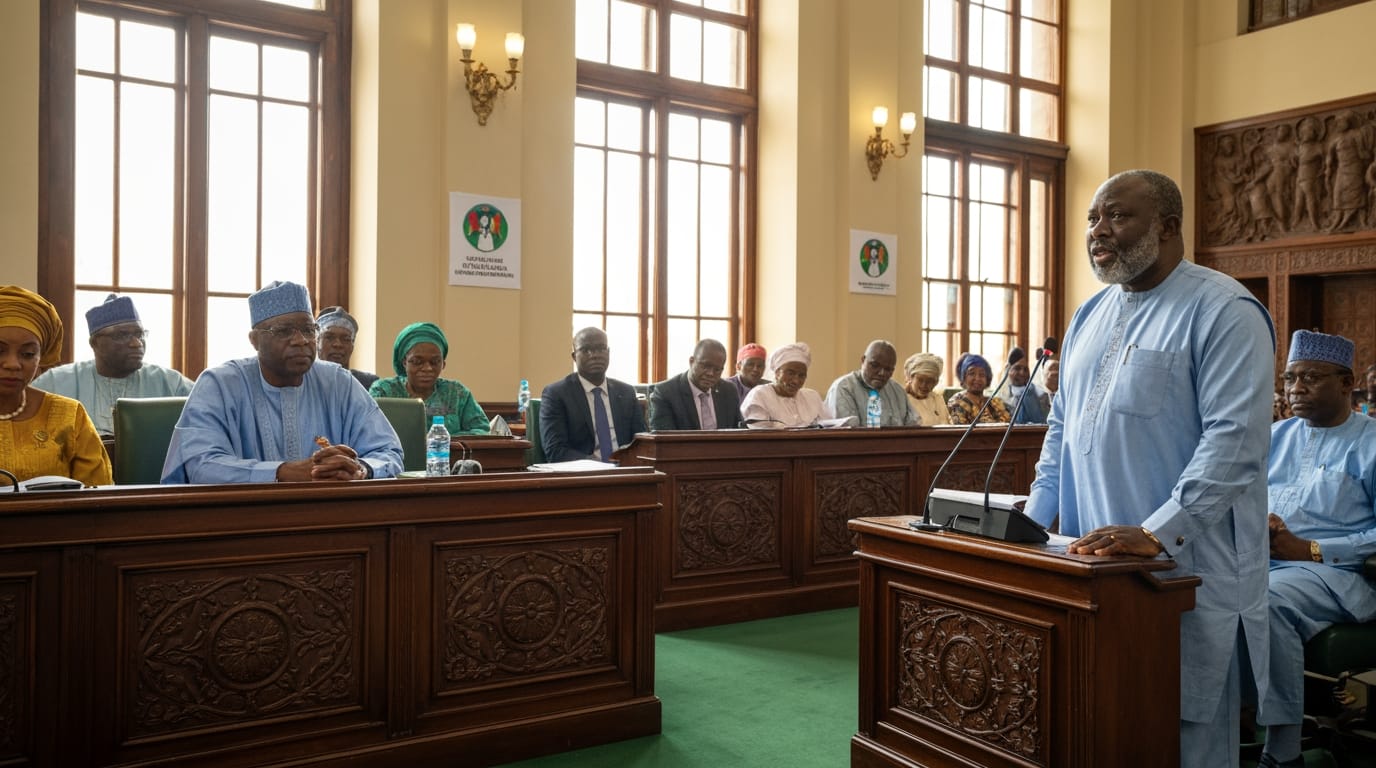
Abuja, Nigeria – Nigerian lawmakers have enacted a pivotal change in the nation's electoral framework, approving the electronic transmission of election results to the Independent National Electoral Commission's (INEC) result viewing portal (IReV). This landmark decision, made by the Senate on Tuesday, February 10, 2026, marks a significant stride towards enhancing the transparency and credibility of future elections, particularly in the run-up to the 2027 general elections. However, the approval comes with a crucial stipulation: manual collation will serve as a fallback in areas where electronic transmission is hampered by network failures or communication challenges.
The move follows intense public pressure and a reversal of the Senate's earlier rejection of a mandatory "real-time" electronic transmission clause. While civil society organizations and professional bodies had championed an unequivocal mandate for immediate online results, the amended Electoral Act seeks a balanced approach, acknowledging both the aspirations for transparency and the infrastructural realities across Nigeria.
A Pivotal Legislative Shift Amidst Public Outcry
The Senate's decision to permit electronic transmission of election results signifies a critical turning point in Nigeria's electoral reform efforts. On Tuesday, February 10, 2026, during an emergency plenary session, the upper chamber reconsidered a contentious provision within the Electoral Act Amendment Bill. The amendment, introduced through a motion by Senator Tahir Monguno, representing Borno North, stipulated that presiding officers at polling units are now permitted to transmit results electronically to the IReV portal after the manual Form EC8A has been duly completed, signed, and stamped. This represents a significant shift from the previous stance, which had been widely condemned by various stakeholders.
The initial rejection by the Senate in early February of a proposal to make real-time electronic transmission mandatory sparked widespread condemnation. Activists, labor unions, and legal practitioners rallied, demanding that the legislative body align with public sentiment and global best practices for electoral transparency. This outcry culminated in protests outside the parliament, urging lawmakers to adopt measures that would curb electoral fraud and manipulation. The pressure seemingly compelled the Senate to revisit its position, leading to the current compromise that allows electronic transmission but retains a manual backup. The Senate President, Godswill Akpabio, emphasized that the intent was to ensure the law reflects the wishes and aspirations of Nigerians.
The Enduring Quest for Electoral Integrity
Nigeria has grappled with a long and troubled history of electoral misconduct since gaining independence in 1960. Past elections have frequently been marred by allegations of vote buying, ballot box snatching, falsification of results, and pervasive violence, which have consistently undermined the credibility of the democratic process. From the widespread electoral fraud in the First Republic (1960–1966) to the deeply flawed 2007 elections, which were described by international observers as among the worst in Nigeria's history, the integrity of the electoral system has been a persistent concern. These historical challenges have fueled a continuous demand for reforms that can safeguard the sanctity of the vote and build public trust.
In response to these deep-seated issues, the Independent National Electoral Commission (INEC) has consistently advocated for and implemented technological innovations aimed at improving the credibility and safety of elections. The introduction of the INEC Results Viewing (IReV) portal, biometric voter verification, and online result-uploading tools in recent election cycles were all designed to move Nigeria away from cumbersome, tardy, and vulnerable manual processes. The aim has been to reduce human intervention, limit result rewriting, and provide greater transparency by allowing the public to compare polling unit results with declared outcomes. While INEC has demonstrated its readiness and preference for electronic transmission, the legal framework had previously presented obstacles, leaving the IReV system as a policy experiment rather than a legally enforceable standard.
The "Real-Time" Conundrum and Infrastructural Realities
The debate surrounding "real-time" electronic transmission of results proved to be the most contentious aspect of the electoral reform process. Proponents, including a multitude of civil society organizations and the Nigerian Society of Engineers (NSE), strongly advocated for a mandatory, immediate upload of results from polling units to the IReV portal. They argued that such a measure would dramatically reduce the risk of manipulation, accelerate result collation and announcement, improve accuracy and auditability, and ultimately enhance public trust. The NSE pointed to successful implementations in countries like Estonia and India, asserting that existing network technologies, including cellular 4G/5G and satellite links, could bridge connectivity gaps in remote areas of Nigeria.
Conversely, senators who initially rejected a strict "real-time" mandate raised concerns about the practicalities of such a system. Their arguments centered on Nigeria's uneven network coverage, particularly in rural and hard-to-reach areas, as well as potential cybersecurity threats, unreliable power supply, and the risk of legal disputes arising from technical failures. Some civil society organizations, like Nigeria Integrity Watch (NIW), also warned that a mandatory real-time electronic transmission could disenfranchise millions of voters in areas with poor infrastructure, or expose the electoral process to manipulation due to reliance on external digital systems.
The Senate's compromise now allows electronic transmission but states that "where electronic transmission is disrupted by network or communication challenges, the manually completed EC8A form will constitute the primary basis for collation and declaration of results." This provision effectively removes the absolute "real-time" mandate, granting INEC discretion based on technological reliability. Senate President Godswill Akpabio clarified that the removal of the specific phrase "real-time" was to prevent legal complications in cases of network failures, assuring that electronic transmission itself was not rejected.
Implications for Nigeria's Democratic Future
The amended Electoral Act, with its provision for electronic transmission of results, holds significant implications for Nigeria's democratic landscape. By officially integrating electronic transmission into the electoral process, lawmakers have signaled a commitment to modernizing elections and tackling long-standing issues of credibility. This move has the potential to foster greater transparency, diminish opportunities for result manipulation during collation, and ultimately bolster public confidence in the electoral outcomes. Reduced reliance on physical movement of result sheets also minimizes the risks of tampering, loss, or alteration during transit.
However, challenges persist. The efficacy of this new framework will depend heavily on the robust implementation by INEC, particularly in ensuring that the electronic transmission system is secure, reliable, and accessible across all polling units, including those in remote areas. Concerns about internet penetration, power infrastructure, and cybersecurity, which were central to the debate, will need to be proactively addressed. The conditional nature of the electronic transmission, where manual collation remains a primary backup in case of technical hitches, means that the battle for entirely seamless, real-time results is not yet fully won. The Independent National Electoral Commission will be tasked with demonstrating its capacity to effectively manage this hybrid system and ensure that the integrity of both electronic and manual records is maintained.
The newly amended bill still requires harmonization with the House of Representatives before it can be sent to President Bola Tinubu for assent. This final legislative step will be crucial in solidifying the reforms and paving the way for a more transparent and trusted electoral future for Nigeria. The journey towards a fully digital and indisputable election process remains ongoing, but the recent legislative approval marks a significant, albeit nuanced, step forward.


