Germany Grapples with Escalating Crimes Against Journalists, Press Freedom Under Threat
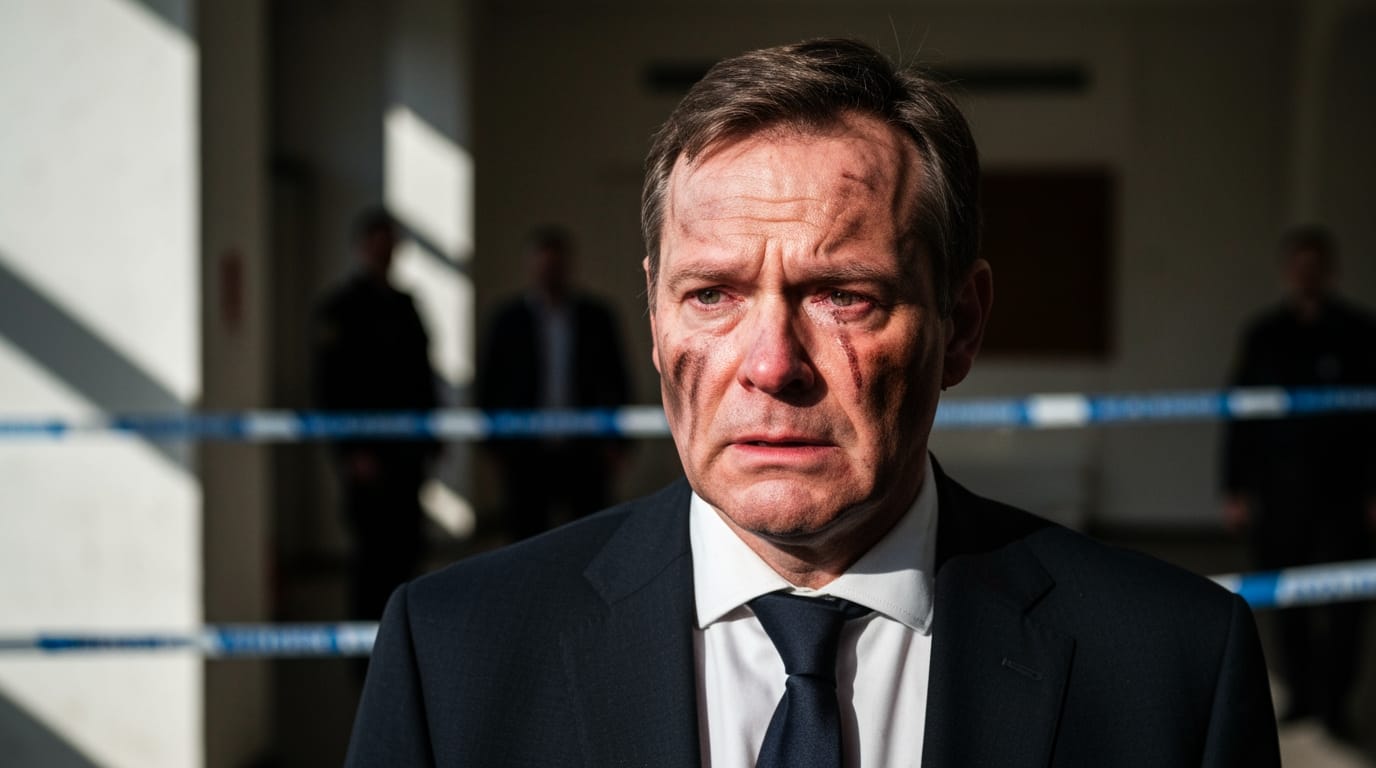
Berlin, Germany – A disturbing trend has emerged across Germany, traditionally viewed as a bastion of press freedom, as journalists increasingly face physical assaults, threats, and harassment. This escalating hostility, largely fueled by a polarized social climate and specific protest movements, marks a significant challenge to democratic discourse and the ability of media professionals to report without fear. Organizations monitoring press freedom have documented a sharp rise in incidents, underscoring a growing vulnerability for those working to inform the public.
Germany, once considered a relatively safe environment for media professionals, has witnessed a concerning shift in recent years. Data from Reporters Without Borders (RSF) illustrates a stark increase in verified attacks, from 13 in 2019 to a record high of 103 in 2022. This upward trajectory includes not only physical assaults but also attacks on equipment, editorial buildings, and IT infrastructure through hacking. While an increased awareness might lead to more reporting, the sheer scale of the rise is alarming, particularly given that fewer large-scale demonstrations occurred in 2022 compared to previous years. The European Centre for Press and Media Freedom (ECPMF) also recorded a significant number of physical attacks, with 83 incidents in 2021 affecting 124 media workers or teams, noting that the true number of cases is likely higher due to underreporting. This climate of hostility represents a serious threat to the working conditions and personal safety of journalists across the country.
The Unsettling Rise: A Statistical Overview
The numbers paint a clear picture of an intensifying threat. In 2020, reported attacks against journalists more than doubled compared to the previous year, with a dramatic increase to 255 aggressions, according to the Media Freedom Rapid Response (MFRR). This surge continued into 2021, with MFRR recording 108 violations of press and media freedom in Germany, 85 of which were attacks against journalists during demonstrations. The nature of these attacks ranges from physical violence and equipment damage to insults, threats, and even digital violence, which is often difficult to trace and prosecute legally. Attempts to thwart attacks have become more common, with security escorts now a more standard presence for journalists covering certain events. Beyond physical incidents, politically motivated offenses targeting media organizations have also risen, with 818 such crimes recorded between April 2024 and November 2025, according to police data, with online offenses showing a notable increase.
Undercurrents of Hostility: Protests and Polarization
A significant portion of the attacks against journalists has occurred in the context of public demonstrations, particularly those related to anti-government COVID-19 measures and right-wing populist events. Groups associated with pandemic-related protest networks, such as Querdenken, were responsible for 75% of attacks in 2021, highlighting a specific nexus of antagonism towards the press. Right-wing extremist rallies are consistently identified as particularly hostile environments for media professionals. The re-emergence of the term "Lügenpresse" (lying press), brought back into prominence by the Pegida movement a decade ago, symbolizes a deep-seated mistrust and animosity towards the media among certain segments of society.
While the political background of attackers in 2021 was varied, 39% were attributed to right-wing perpetrators, with another 39% unidentifiable, and only 1% from the left. Earlier data from 2015 to 2020 indicated that 77% of assaults came from the political right, contrasting with 9% from the left. This suggests a persistent and substantial threat originating from right-wing circles. Online platforms, particularly messaging applications like Telegram, have also been identified as spaces where attacks are planned and information about journalists is exchanged, posing a challenge for law enforcement to address effectively.
The Chilling Effect on Reporting and Local Journalism
The escalating violence and threats are having a tangible impact on journalistic practices, leading to a chilling effect and self-censorship. Journalists, particularly those working locally, increasingly report avoiding covering certain topics or locations where they anticipate hostility or physical violence. This reluctance to report on controversial issues out of concern for safety can create "blind spots" in media coverage, directly undermining the public's right to information and critical analysis. Local journalists are particularly vulnerable because they live in the communities they cover, making them easily identifiable targets. The attractiveness of the profession is suffering, and the growing hostility changes the public image of journalism, especially for those covering socially controversial movements where anti-media sentiment is central to their ideology. This phenomenon is concerning for democracy, as local journalism is crucial for political education, civic engagement, and voter activation.
Bolstering Protection and Accountability
In response to this alarming trend, various organizations and government bodies are working to enhance the protection of journalists and ensure accountability for crimes committed against them. Journalistic associations like the German Journalists Association (DJV) and the German Journalists Union (dju in ver.di), alongside Reporters Without Borders (RSF) and ECPMF, have called for better safety measures, thorough investigations, and preventative actions. These calls include the implementation of codes of conduct for media houses, which recommend appointing dedicated contact persons for journalists facing threats, offering legal, psychological, and financial support, and providing security personnel for dangerous assignments.
Concerns have also been raised regarding the police's role, with reports of officers obstructing media work, sometimes violently, particularly at demonstrations. Journalists often feel they do not receive adequate support from the police. There's an ongoing effort to revise and update the "Principles of Conduct for Press/Broadcasting and Police" to avoid obstructions and ensure free exercise of reporting. Furthermore, calls for an effective digital violence protection law are being made, as existing laws are often inadequate to address online attacks.
The German government, through initiatives like the Hannah Arendt Initiative, supports at-risk media professionals, including exiled journalists, by providing training, psychological support, legal aid, and equipment replacement. Germany is also a co-chair of the Media Freedom Coalition (MFC), an international network dedicated to promoting press freedom and protecting journalists worldwide, reflecting a commitment to these values on a global stage.
A Call for Sustained Vigilance
The rising rate of crimes against journalists in Germany is a profound indicator of broader societal challenges, including political polarization and diminishing trust in institutions. While press freedom and related basic rights are generally well-protected in Germany, the increasing physical insecurity and digital threats faced by journalists demand urgent and sustained attention. Protecting journalists is not merely about safeguarding individual reporters; it is about preserving the foundational principles of a democratic society that relies on an independent and robust press to hold power accountable and inform its citizens. The efforts by media organizations and government initiatives are crucial, but continuous vigilance and proactive measures remain essential to ensure that Germany remains a safe haven for journalism.


