Nigerian Army Frees 360 Captives From Boko Haram Mountain Stronghold
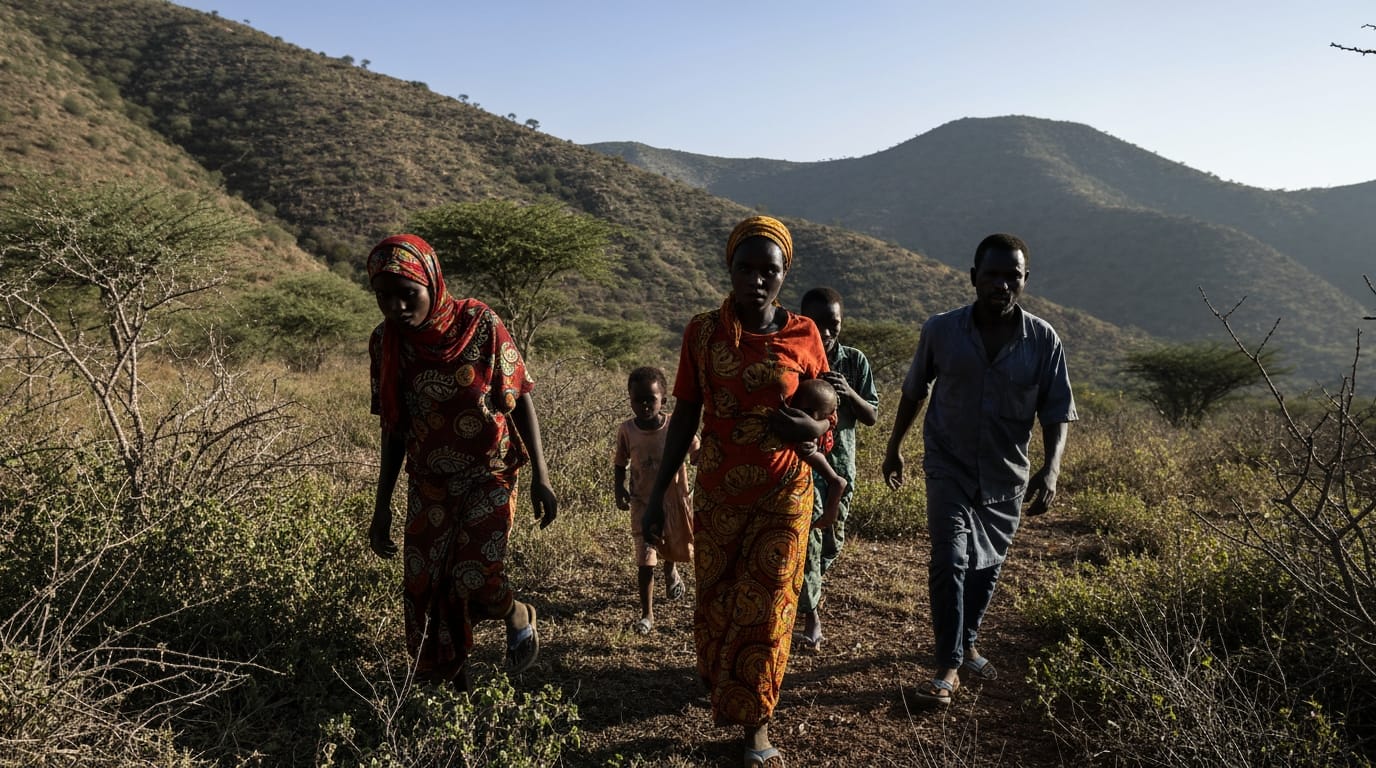
BORNO STATE, NIGERIA – In a significant operational success, the Nigerian army has liberated 360 individuals, primarily women and children, from a Boko Haram mountain hideout in the Mandara Mountains of Borno State. The rescue operation, described by military authorities as one of the most successful hostage missions in recent times, dealt a considerable blow to the extremist group, though it was tragically marred by the deaths of two infants due to the arduous conditions of captivity and the challenging rescue terrain. The freed captives are now receiving urgent medical attention and humanitarian support.
The Daring Rescue Operation
The complex and meticulously planned operation was spearheaded by troops of Operation HADIN KAI, a joint task force in Nigeria's North-East, involving Special Forces and Sector One units. For weeks, intelligence operatives gathered crucial information, conducted surveillance, and carried out covert reconnaissance to pinpoint the exact location of the hostages and map insurgent positions within the rugged Mandara Mountains. The mountain range, straddling Nigeria's border with Cameroon and Niger, has long served as a strategic haven for Boko Haram, allowing them to evade detection and launch attacks.
Acting on this comprehensive intelligence, troops launched a multi-axis assault under the cover of darkness. The operation achieved complete tactical surprise, overwhelming the terrorists before an organized response could be mounted. Insurgents reportedly fled into the surrounding mountainous terrain, while others surrendered as troops advanced with speed and precision, cutting off escape routes. This coordinated effort led to the successful rescue of the 360 abductees, who were then evacuated to safety. Military authorities have lauded the mission as a major breakthrough in ongoing efforts to dismantle terrorist networks and restore peace in the North-East.
The Plight of the Abducted and Their Recovery
The vast majority of those rescued were women and children, many of whom had been abducted from communities around the Ngoshe axis in March. Reports indicate that 416 people, including minors, were taken when Boko Haram insurgents invaded Ngoshe in March, an event that drew international attention when the group released propaganda videos of the captives and issued a ransom demand. The individuals endured prolonged captivity under harsh conditions within the extremist group's enclave.
The physical and psychological toll of their ordeal was immediately evident. Tragically, two infants "succumbed to exhaustion" during the challenging rescue process, a direct consequence of the severe hardship endured throughout their confinement and the strenuous mountainous terrain involved in their evacuation. The surviving abductees were swiftly relocated to secure facilities, where they are now receiving critical medical care and humanitarian support. This immediate assistance is crucial for their recovery, as many are expected to suffer from trauma and health issues stemming from their time in captivity.
Boko Haram's Mountain Stronghold and Persistent Threat
The Mandara Mountains have historically provided Boko Haram and its factions with a strategic and difficult-to-access operational base. Its rugged topography offers natural defenses, making it an ideal location for hideouts, training camps, and holding captives away from military reach. This rescue highlights the military's persistent challenge in penetrating such fortified natural enclaves. The initial abduction in Ngoshe in March was accompanied by a propaganda video where a commander boasted of holding the community through Ramadan and observing Eid-el-Fitr prayers at the Ngoshe Central Mosque. This threat was ultimately thwarted by subsequent clearance operations by troops, allowing local worshippers to safely observe prayers at the same mosque, a symbolic victory against the group's narrative.
Boko Haram, which launched its insurgency in 2009 with the aim of establishing Islamic Shariah law in Nigeria, has caused immense suffering, leading to the deaths of at least 35,000 people and displacing 2.1 million. While previous large-scale abductions, such as the 2014 kidnapping of Chibok schoolgirls, garnered global outrage, the group continues to carry out smaller-scale abductions, particularly in the conflict-battered northeastern region. The group has also been known to demand ransoms, with a video released on April 19 showing a Boko Haram commander demanding a N5 billion ransom for the Ngoshe captives.
Broader Implications and Ongoing Challenges
The rescue of 360 individuals represents a significant operational success for the Nigerian military and offers a beacon of hope amid the country's complex security crisis. However, it also underscores the enduring presence and operational capabilities of Boko Haram, particularly in their use of remote, rugged terrain as strongholds. The incident highlights the multifaceted security challenges facing Nigeria, which extend beyond insurgency to include the activities of armed groups engaged in kidnappings for ransom and illegal mining, especially in the northern regions.
The process of reintegrating and rehabilitating survivors of Boko Haram captivity is a long and arduous one. Many will require extensive psychological support, medical care, and assistance in rebuilding their lives and rejoining their communities. The success of this rescue operation must be viewed in the broader context of the continuous struggle to dislodge Boko Haram and other armed groups from their strongholds and to secure lasting peace and stability in the affected regions. Efforts must continue to address the root causes of the insurgency and provide comprehensive support for victims.
This latest operation serves as a powerful reminder of the relentless commitment required from Nigerian security forces to protect civilians and dismantle the networks of extremism. While the rescue is a cause for relief and commendation, the road ahead remains fraught with challenges, necessitating sustained vigilance and strategic interventions to safeguard vulnerable populations and ultimately bring an end to the insurgency that has plagued the nation for over a decade.


