Nigeria's Forest Sanctuaries: A Deep Dive into Extremist Strongholds
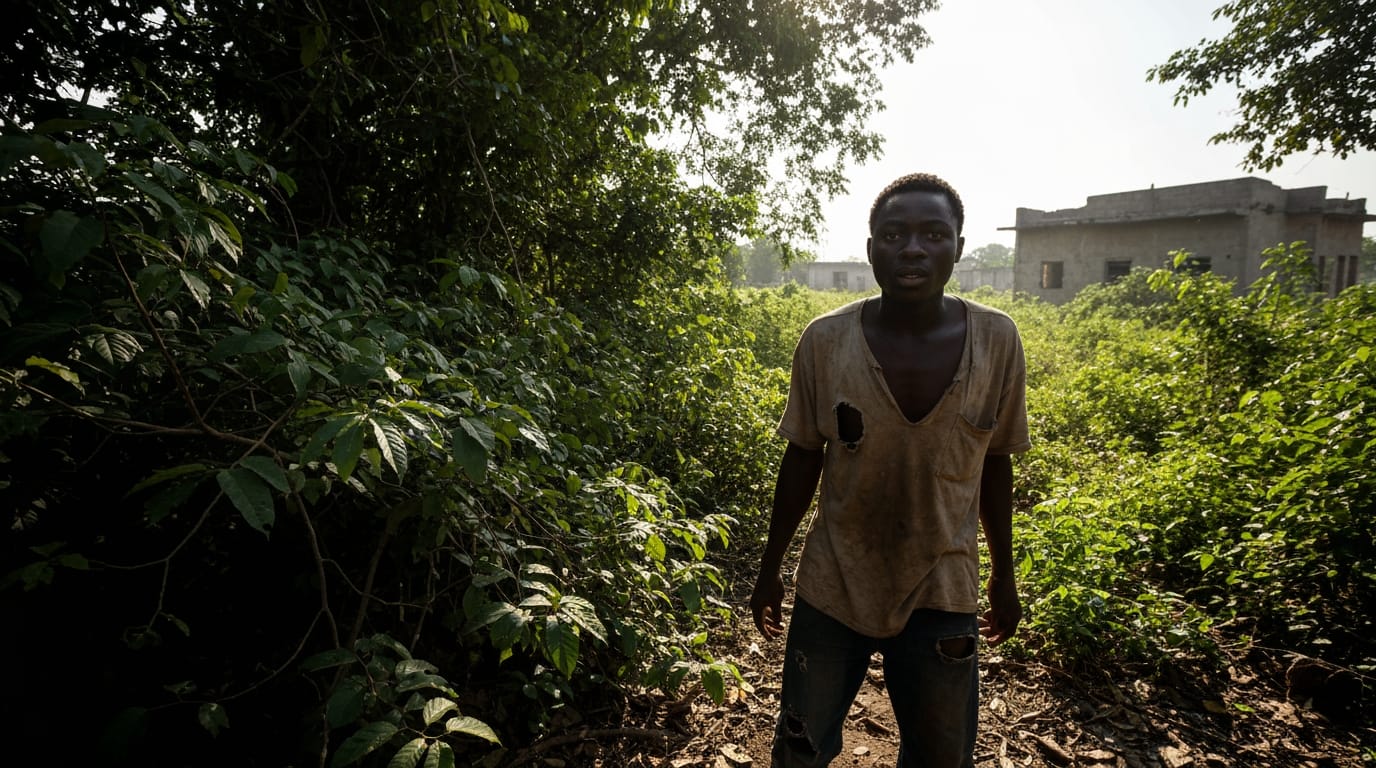
Nigeria's expansive and often impenetrable forests have become critical sanctuaries and operational hubs for a myriad of extremist and criminal groups, exacerbating the nation's profound insecurity crisis. These dense wildernesses provide tactical advantages that enable groups ranging from jihadist factions to armed bandits to evade state authority, launch devastating attacks, and sustain illicit economies. The strategic utility of these forested regions, coupled with underlying socioeconomic grievances and governance deficits, poses an enduring challenge to peace and stability across vast swathes of the country.
The Tactical Appeal of Dense Wilderness
The sprawling forest reserves of Nigeria, characterized by their dense vegetation, rugged terrain, and inherent remoteness, offer unparalleled advantages for groups seeking to operate beyond the reach of conventional security forces. Locations such as the notorious Sambisa Forest in the northeast, Alawa Forest, Kainji, Kamuku National Parks in Niger and Kaduna states, and the Munhaye, Kuduru, Kuyambana, Sububu, and Burwaye forests in the northwest, serve as natural fortifications. These vast, often ungoverned spaces provide ideal hideouts for training camps, arms depots, and planning centers, allowing extremists to regroup, resupply, and launch surprise attacks on nearby communities and major transit routes. The difficult topography hinders military ground operations, while the natural concealment offers protection from aerial surveillance and bombardment, despite the Nigerian military's expanded use of air platforms for intelligence gathering and combat. The sheer size and inaccessibility of these areas contribute significantly to the government's struggle to secure them, owing to a lack of personnel and inadequate surveillance technology.
A Nexus of Terror and Banditry
The groups taking refuge in Nigeria's forests are diverse, yet increasingly interconnected, blurring the lines between ideological insurgency and organized crime. Predominant among these are the jihadist factions of Boko Haram (Jama'at Ahl al-Sunna li al-Da'wa wa al-Jihad, JAS) and its more dominant offshoot, the Islamic State's West Africa Province (ISWAP), alongside the al-Qaeda-linked Ansaru, and numerous armed bandit groups. While Boko Haram retreated to the Sambisa Forest after a 2015 government offensive to regroup and employ guerrilla warfare tactics, ISWAP later overran Sambisa in 2021, leading to the death of Boko Haram leader Abubakar Shekau.
In the northwest and north-central regions, the phenomenon of "banditry" has escalated, involving armed criminal groups engaged in kidnapping, murder, cattle rustling, and extortion. These groups often exploit socioeconomic grievances and weak governance, finding fertile ground for recruitment among impoverished and unemployed youth. Crucially, there is evidence of a growing nexus between these bandits and established extremist organizations. Some criminal syndicates have transformed through contact with radical elements, adopting more organized and violent tactics, while extremist groups like Ansaru have reportedly collaborated with notorious bandit warlords, engaging in arms deals and leveraging local grievances. This alliance amplifies the threat to vulnerable targets and further complicates security responses.
Operations and Illicit Economies
From their forest strongholds, these groups conduct a wide range of illicit activities that sustain their operations and extend their reign of terror over local populations. Kidnapping for ransom has become a primary funding mechanism for both extremist and bandit groups, providing significant revenue that incentivizes continued criminal activity. Villages are frequently raided, homes are ransacked, and cattle are rustled, providing resources and generating fear. These groups also impose illegal taxes on communities under their control, effectively creating parallel governance structures within the ungoverned spaces of the forests.
Beyond direct criminal enterprises, some groups exploit the natural resources of their forest sanctuaries. This includes industrial-scale logging and, in some instances, illegal mining, which provides additional revenue streams and sometimes arms deals. These activities not only finance their networks but also cause significant environmental degradation. The forests also serve as crucial logistical bases, enabling militants to launch ambushes on major roads and facilitate smuggling operations, leveraging the proximity to communities and strategic routes.
The Profound Human and Environmental Toll
The presence and activities of these extremist and criminal groups in Nigeria's forests inflict a severe human cost. Communities living on the fringes of or within these forested areas endure constant fear, displacement, and the tragic loss of loved ones. Accounts of abductions, like that of Zainab from Kurebe village, who was taken by terrorists into the Alawa Forest and forced into marriage, highlight the personal tragedies unfolding daily. Such incidents are emblematic of the widespread practice of sex slavery and human exploitation within these "fiefdoms of terror".
The pervasive insecurity disrupts daily life, forces school closures, and displaces millions of people, many of whom end up in overcrowded internally displaced persons (IDP) camps. The conflict also has a devastating environmental impact; beyond the direct exploitation of resources by the groups, military counter-operations sometimes involve clearing large tracts of forest, leading to deforestation. The long-term consequences include biodiversity depletion, destruction of habitats, and potential ecological crises.
Challenges for State Response
Dislodging these entrenched groups from their forest sanctuaries presents formidable challenges for the Nigerian government and its security forces. Experts point to the huge size of these forest expanses, coupled with a lack of adequate personnel and poor surveillance technology, as significant impediments to effective counter-terrorism operations. The rough terrain and limited infrastructure further complicate rapid security responses, allowing armed groups to traverse, evade capture, and coordinate attacks with relative ease.
The government's previous strategies, often focused on militarized responses, have shown limited success in comprehensively addressing the insurgency. Furthermore, programs aimed at reintegrating former militants have faced criticism for lacking proper orientation, victim-centered approaches, and community involvement, leading to resistance and hindering long-term peace efforts. Analysts suggest that a multifaceted approach is required, including the deployment of special security forces trained for such terrain, investment in advanced surveillance technology, and addressing the root causes of conflict such as weak governance, socioeconomic marginalization, and environmental factors. The country's porous borders also facilitate the influx of small arms and fighters from the Sahel, further complicating security efforts.
Conclusion
Nigeria's forests have transitioned from natural endowments to strategic havens for extremist and criminal elements, presenting a complex and evolving security crisis. The tactical advantages offered by these dense, ungoverned spaces enable groups like Boko Haram, ISWAP, and armed bandits to persist, expand their illicit economies, and inflict profound suffering on civilian populations. While military operations and air strikes aim to dislodge these groups, the enduring challenge lies in the multifaceted nature of the problem, requiring comprehensive solutions that transcend purely military approaches. Addressing the underlying drivers of insecurity—including poverty, unemployment, environmental degradation, and governance failures—alongside bolstering security capabilities, is essential to reclaim these vital territories and restore lasting peace to Nigeria.


