Latin America's Long Haul: EU-Mercosur Trade Deal Remains in Limbo After Decades of Negotiations
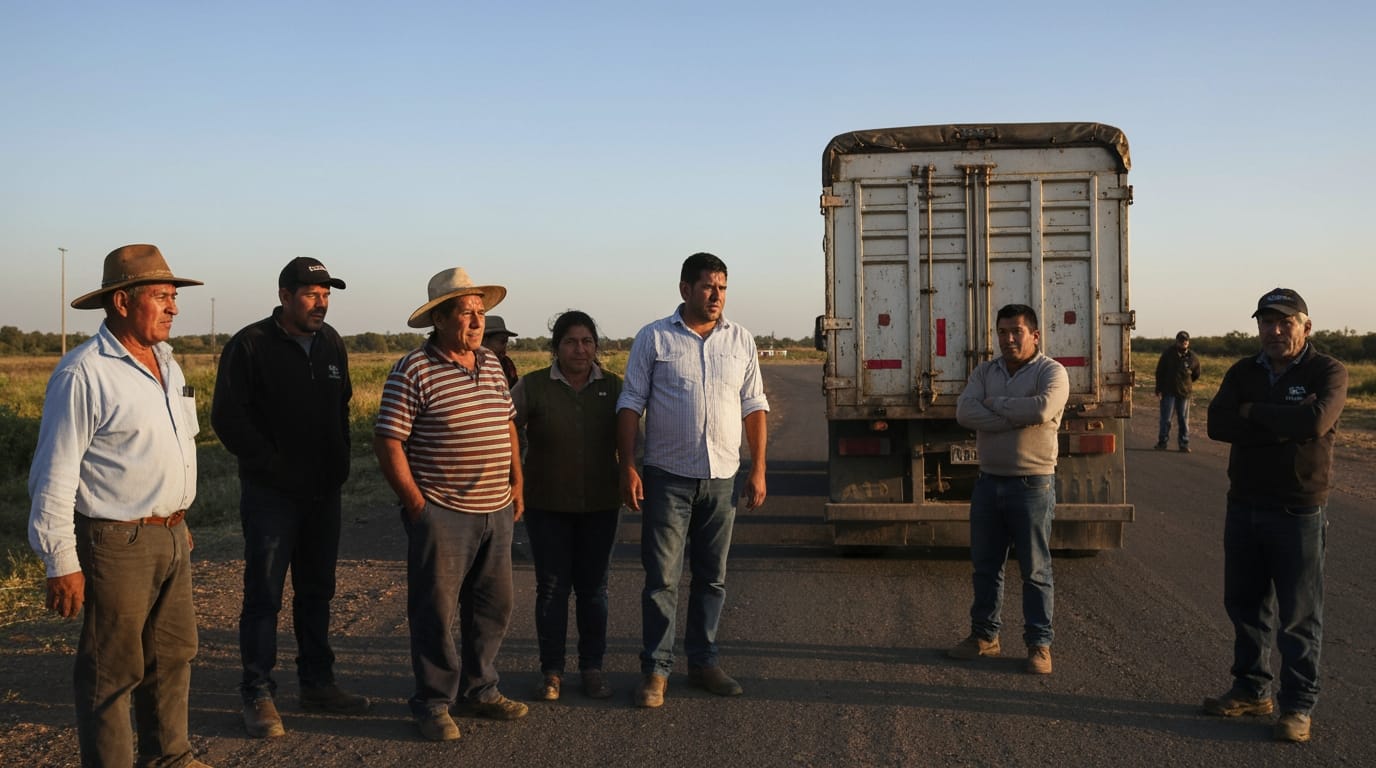
ASUNCIÓN, PARAGUAY – After more than two decades of intricate negotiations and a recent ceremonial signing, Latin America continues to await the full implementation of what could be the world's largest free trade agreement with the European Union. The EU-Mercosur Partnership Agreement, a pact spanning trade, political dialogue, and cooperation, now faces fresh hurdles, with its fate once again cast into uncertainty as the European Parliament seeks judicial review of its provisions. This prolonged state of anticipation underscores the complex interplay of economic aspirations, environmental concerns, and shifting geopolitical landscapes defining modern international trade.
Two Decades in the Making: A Promise of Prosperity
The journey toward an EU-Mercosur trade accord began in 1999, with the initial framework agreement coming into force in July of that year and the first round of trade negotiations commencing in April 2000. For the Mercosur bloc—comprising Argentina, Brazil, Paraguay, and Uruguay—the agreement represents a significant opportunity to liberalize trade and access a market of over 400 million European consumers. Proponents on both sides envision a deal that would eliminate tariffs on 91-93% of exports over a 15-year period, promising to boost trade flows, increase GDP, and create jobs. Mercosur countries anticipate greater market access for key agricultural products such as beef, poultry, sugar, and ethanol. The European Commission estimates EU exports to Mercosur could increase by up to 50 billion euros, while Mercosur exports to the EU could see a 9 billion euro boost. Beyond pure economics, the deal aims to foster deeper political and cultural ties, integrating value chains and setting global trade rules in line with high standards.
Environmental Crossroads: The EU's Stumbling Block
Despite the clear economic potential, the path to ratification has been fraught with challenges, primarily stemming from deep-seated environmental concerns within the European Union. While an agreement in principle was reached in 2019, followed by further political consensus in December 2024, the deal has yet to secure full ratification. European critics, including numerous Members of the European Parliament (MEPs) and environmental organizations, argue that the agreement, as it stands, could exacerbate deforestation in the Amazon and other vital South American biomes.
A central point of contention lies in the projected increase in demand for agricultural commodities such as beef and soy, which have historically been linked to land clearing and habitat destruction. Reports have warned that increased beef exports could lead to hundreds of thousands of hectares of forest being destroyed. Critics also express skepticism about the enforceability of the agreement's "Trade and Sustainable Development" (TSD) chapter, fearing that its commitments to combat illegal logging and uphold environmental standards lack sufficient binding measures and effective dispute settlement mechanisms. This "commercially hard and environmentally soft bias," as some describe it, has fueled opposition from EU member states like France, Ireland, Austria, Hungary, and Poland, who have voiced concerns or outright opposed the deal.
Mercosur's Economic Imperative and Geopolitical Rebalancing
For Mercosur nations, the agreement represents more than just economic gains; it is a strategic imperative in a rapidly evolving global landscape. The bloc views the deal as an opportunity to diversify its trade relationships, reducing reliance on single partners and attracting much-needed European investment and technology. Enhanced access to European markets and adherence to EU standards could also serve as a catalyst for modernizing their economies and fostering sustainable practices, even as debates around environmental safeguards continue. The prospect of integrating into a larger trading sphere strengthens Mercosur's position, offering a counterbalance to the growing economic influence of other global powers.
However, the prolonged delay in ratification weighs heavily on the Mercosur countries. While they generally remain keen on the agreement, the uncertainty affects their long-term planning and ability to fully leverage potential benefits. The "waiting" aspect creates a persistent limbo, forcing them to consider alternative trade strategies and potentially impacting the cohesion within the Mercosur bloc itself, which at times faces internal divisions over trade policy. The EU already has trade agreements with almost all other Latin American countries, making the Mercosur deal a crucial missing piece for a comprehensive European presence in the region.
A Labyrinth of Ratification: The Road Ahead
The agreement's current status reflects the deep divisions and complexities surrounding it. A signing ceremony for the EU-Mercosur deal took place in Asunción, Paraguay, on January 17, 2026, after more than 25 years of negotiations. However, just days later, on January 21, 2026, the European Parliament approved a measure to ask the European Court of Justice for a ruling. This request seeks clarification on whether the free trade agreement can be provisionally applied before full ratification by all member states and if its provisions restrict the EU's ability to set environmental and consumer health policies. This move introduces a potential delay of up to two years, further extending the already protracted ratification process.
This referral to the European Court of Justice underscores the intense scrutiny the agreement faces, particularly regarding its compatibility with evolving EU environmental regulations and the bloc's commitment to climate action. While the agreement includes pledges by both sides to move towards climate neutrality by 2050 and a commitment from Brazil to halt illegal deforestation, critics continue to question the efficacy and enforcement mechanisms of these promises.
Conclusion: High Stakes in a Fragmented World
The EU-Mercosur Partnership Agreement stands at a critical juncture. For Latin America, particularly the Mercosur member states, the deal represents a significant potential pathway to economic growth, diversification, and strengthened international partnerships. Their patient anticipation for the agreement's benefits is palpable, yet continually tested by the prolonged ratification process. For the European Union, the agreement symbolizes a commitment to rules-based trade and a strategic engagement with a vital global region, but it must reconcile these ambitions with its increasingly stringent environmental and social standards.
The recent signing and subsequent judicial referral highlight the ongoing tension between economic integration and environmental protection. Whether the agreement can navigate this complex legal and political labyrinth to achieve full ratification remains uncertain. The world watches as both blocs grapple with the implications of this ambitious pact, understanding that its eventual fate will not only shape transatlantic trade relations but also set a precedent for how future global trade deals address the imperative of sustainable development in an interconnected and environmentally conscious world.


