Kosovo Plunges Into Deeper Uncertainty Amidst Third Snap Election Call in Just Over a Year
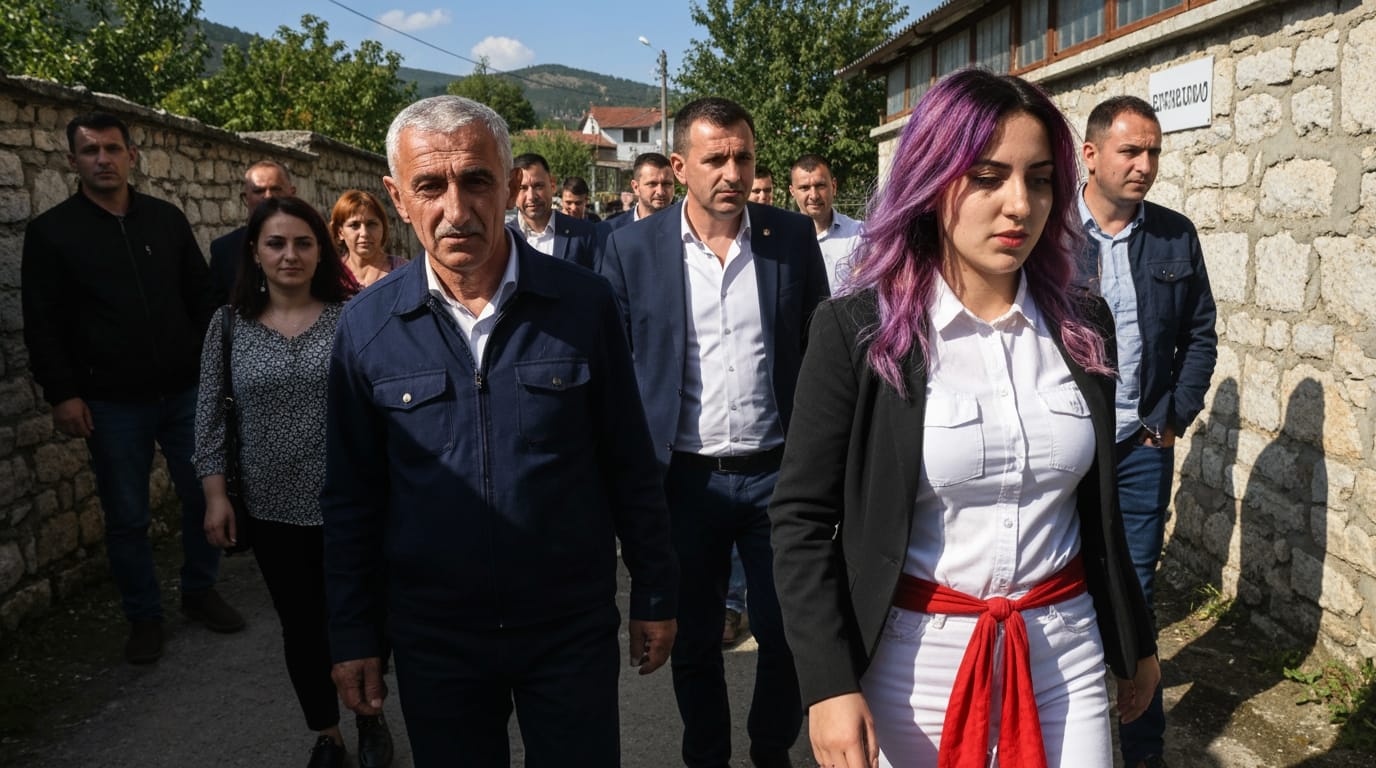
Pristina, Kosovo – Kosovo, Europe's youngest nation, is once again heading to the polls for a snap parliamentary election, marking its third in a little over a year. The latest political upheaval follows the parliament's failure to elect a new head of state by a constitutional deadline, a development that has cast a long shadow over the country's aspirations for stability and European integration. President Vjosa Osmani announced the dissolution of parliament on Friday, March 6, 2026, after lawmakers could not coalesce around a candidate for the presidency, further entrenching a cycle of political deadlock that has plagued Pristina for much of the past year.
A Presidential Gridlock Triggers Fresh Crisis
The immediate catalyst for the upcoming election was the parliament's inability to secure the required two-thirds quorum to elect a new president. President Vjosa Osmani's five-year term is set to expire on April 4, and under Kosovo's constitution, the 120-seat assembly had until midnight on Thursday, March 5, to choose her successor. However, only 66 members of parliament, predominantly from the governing camp, attended the crucial session. Opposition parties, citing a lack of consultation and consensus, boycotted the vote, effectively preventing the necessary quorum of 80 lawmakers from being reached. This boycott, a strategic move by the opposition, automatically triggers fresh parliamentary elections under the country's law when a president cannot be elected within the stipulated timeframe. Parliamentary speaker Albulena Haxhiu formally adjourned the session, confirming the absence of a quorum and the inability to proceed with the vote, thereby sealing the fate of the current legislative body.
A Troubled Political Timeline: Two Elections in 2025
This impending election is not an isolated incident but rather the culmination of a protracted period of political instability. Kosovo has already witnessed two parliamentary elections within the last year, neither of which managed to usher in a durable period of governance. The first of these, held on February 9, 2025, saw Prime Minister Albin Kurti's left-wing nationalist Vetëvendosje (Self-Determination Movement) emerge with the most votes. Despite this victory, Kurti struggled to forge a stable governing coalition, leading to a prolonged political deadlock. The inability to form a functional government necessitated a snap election on December 28, 2025. In this second ballot, Vetëvendosje secured a majority, allowing Kurti to form a government and assume a second consecutive term as prime minister. However, the fragility of the political landscape was underscored by the recent presidential election failure, demonstrating that even a parliamentary majority does not guarantee executive stability or the ability to navigate key constitutional processes.
Vetëvendosje's Strategy and Opposition's Boycott
The current crisis highlights the deep divisions within Kosovo's political class. Prime Minister Albin Kurti's Vetëvendosje party nominated candidates from its own ranks for the presidency, including Foreign Minister Glauk Konjufca, without securing broader opposition support. Opposition parties had advocated for a consensual candidate, arguing that such a pivotal position, symbolizing national unity, should transcend narrow party lines. President Osmani herself, whose mandate is expiring, had signaled her willingness to run for a second term, and there was a possibility that opposition parties might have supported her candidacy to ensure the election process proceeded. However, Prime Minister Kurti opted against nominating her for re-election, a decision that ultimately contributed to the impasse. The opposition's subsequent boycott of the parliamentary session was a direct consequence of this perceived sidelining and the failure of inter-party coordination, leaving the presidential vote without the constitutional legitimacy it required.
Profound Implications for a Nascent Democracy
The prospect of yet another election campaign brings with it significant concerns for Kosovo's governance and its international standing. The nation has endured prolonged political uncertainty, with institutions often paralyzed by a fractured parliament and the absence of a stable, functioning government for much of 2025. This perpetual electoral cycle strains state resources, diverts attention from pressing domestic issues, and hinders progress on critical reforms. For a country with aspirations to join the European Union, such repeated political instability is detrimental, potentially delaying its integration path and signaling a lack of institutional maturity to Brussels. While the immediate focus remains on setting a date for the new elections, the underlying challenge for Kosovo's political leaders will be to find a way to break free from this cycle of recurring crises and establish a more stable, consensus-driven political environment that can effectively address the needs of its citizens and pursue its strategic national interests.
Conclusion: A Call for Stability Amidst Recurrent Turmoil
As Kosovo prepares for its third legislative election in just over a year, the air in Pristina is thick with a mixture of fatigue and apprehension. The recurring inability of political factions to forge enduring alliances and fulfill constitutional obligations has pushed the young democracy into a precarious state, marked by profound uncertainty. While the democratic process allows for repeated elections, the frequency witnessed in Kosovo raises questions about the long-term viability of governance when consensus remains elusive. The upcoming vote will not only determine the composition of the next parliament and government but will also serve as a crucial test of the political class's capacity to deliver stability and progress for a nation eager to solidify its place on the European stage.


