The Silent Epidemic: Mental Health Crisis Deepens Amidst Bombings in Iran
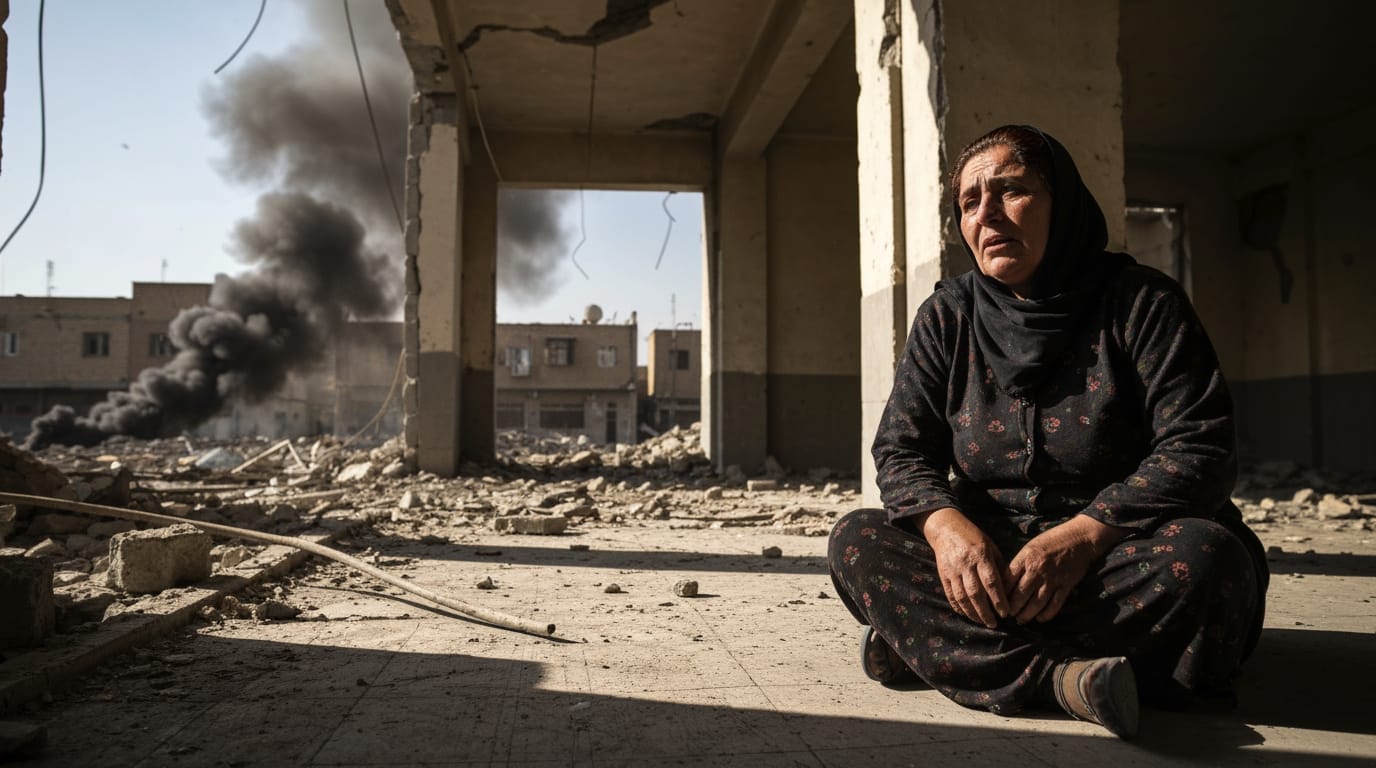
TEHRAN – As aerial bombardments and geopolitical tensions escalate across Iran, a profound and often unseen crisis is unfolding: a widespread and debilitating impact on the mental health of its civilian population. While the immediate physical destruction of conflict is starkly visible, the psychological trauma inflicted by the constant threat of bombings and the disruption of daily life leaves deep, enduring scars that affect individuals, families, and the very fabric of society, signaling a silent epidemic that demands urgent attention.
The Invisible Scars of Conflict
Living under the shadow of aerial attacks has plunged many Iranians into a spiral of acute stress, anxiety, and depression. A recent 12-day conflict involving aerial bombardments on several Iranian cities, which resulted in over 1,070 fatalities—70% of whom were civilians—brought into sharp focus the urgent need to address the profound psychological consequences of modern warfare. The suddenness of these attacks and the targeting of urban centers create a unique trauma profile, distinct from prolonged ground conflicts. Civilians exposed to such violence, the loss of family members, and forced displacement face established risks for developing acute stress disorders (ASD), post-traumatic stress disorder (PTSD), depression, and somatic symptom disorders. Research indicates that war-related mental health disorders are pervasive among survivors, with one study showing rates of anxiety, PTSD, and depression among internally displaced persons reaching 74.56%, 76.9%, and 79.53%, respectively. The overall prevalence of psychological problems within Iran is significant, with studies indicating that nearly a quarter of the population suffers from such issues, a rate almost double the global average.
A Generation Under Threat: Children's Enduring Burden
Children represent one of the most vulnerable segments of the population in conflict zones, bearing a disproportionate share of the psychological burden. Exposure to war, even indirectly through media or community anxiety, can profoundly alter their cognitive, emotional, and behavioral development. Experts note that the disruption of normalcy, including consistent schooling and safe play environments, is particularly damaging. Children exposed to the horrors of war exhibit severe psychological consequences, including cognitive developmental delays, emotional dysregulation characterized by aggression or apathy, and social withdrawal. The witnessing of violence or the loss of loved ones can lead to pervasive PTSD symptoms. The targeting of civilian infrastructure, such as the reported airstrike on an all-girls elementary school in Minab, exacerbates this trauma, turning places of supposed safety into sites of fear and insecurity. Mental health professionals emphasize the critical need for stability and routine in children's lives amidst such chaos, as the trauma they incur can manifest differently based on their age.
Beyond the Blast: Societal Strain and Complex Realities
The psychological impact of bombings extends beyond individual trauma, permeating the societal fabric. Economic instability, lack of access to healthcare, and social disintegration are secondary stressors that compound the trauma for many. The constant state of alert and the tangible threat of further attacks contribute to a pervasive climate of fear and anxiety across Iranian cities. This environment is further complicated by internal dynamics, where some citizens express a complex mix of fear and an unexpected sense of hope, even "liberation," from external intervention, stemming from decades of internal repression under the current regime. For these individuals, the regime itself, rather than external bombs, has long been perceived as the more immediate threat to their lives and dignity, leading to a "collective depression" among those who have witnessed mass killings and crackdowns during protests. This dual pressure — external conflict and internal political tension — creates a uniquely challenging psychological landscape for the Iranian populace.
The Path to Healing: Challenges and Efforts
Addressing the escalating mental health crisis in Iran faces significant hurdles, including societal stigma surrounding mental health discussions, which often delays or prevents individuals from seeking necessary help. Economic sanctions and resource constraints further strain the country's mental health infrastructure, particularly in conflict-affected regions. Despite these challenges, Iran has developed a national mental health strategy, lauded by the World Health Organization as an "innovative and replicable global model". This system includes a nationwide network of comprehensive health service centers, employing thousands of psychologists, and a series of national helplines offering free psychological and counseling services. Organizations like UNHCR also provide psycho-social support, though capacity is limited and prioritized for highly vulnerable cases. However, fragmented healthcare systems, workforce shortages, and uneven resource allocation, particularly between urban and rural areas, continue to limit broad access to mental health services. Efforts are underway to strengthen these systems, integrate mental health into primary care, and build capacity among professionals.
Conclusion
The ongoing conflict and the looming threat of bombings in Iran have created an acute mental health crisis, affecting millions and silently eroding the well-being of its population. From the direct psychological wounds of trauma, anxiety, and depression to the long-term developmental impacts on children, the human cost extends far beyond visible destruction. While Iran possesses a foundational mental health infrastructure and is making strides towards community-based care, the challenges of stigma, sanctions, and pervasive insecurity remain formidable. As the international community grapples with the geopolitical complexities, the urgent need to acknowledge and support the psychological resilience and healing of the Iranian people becomes increasingly paramount, underscoring that peace of mind is as critical as physical safety in times of conflict.


