Nobel Peace Prize Ceremony Proceeds Without Laureate Maria Corina Machado, Highlighting Global Democratic Struggles
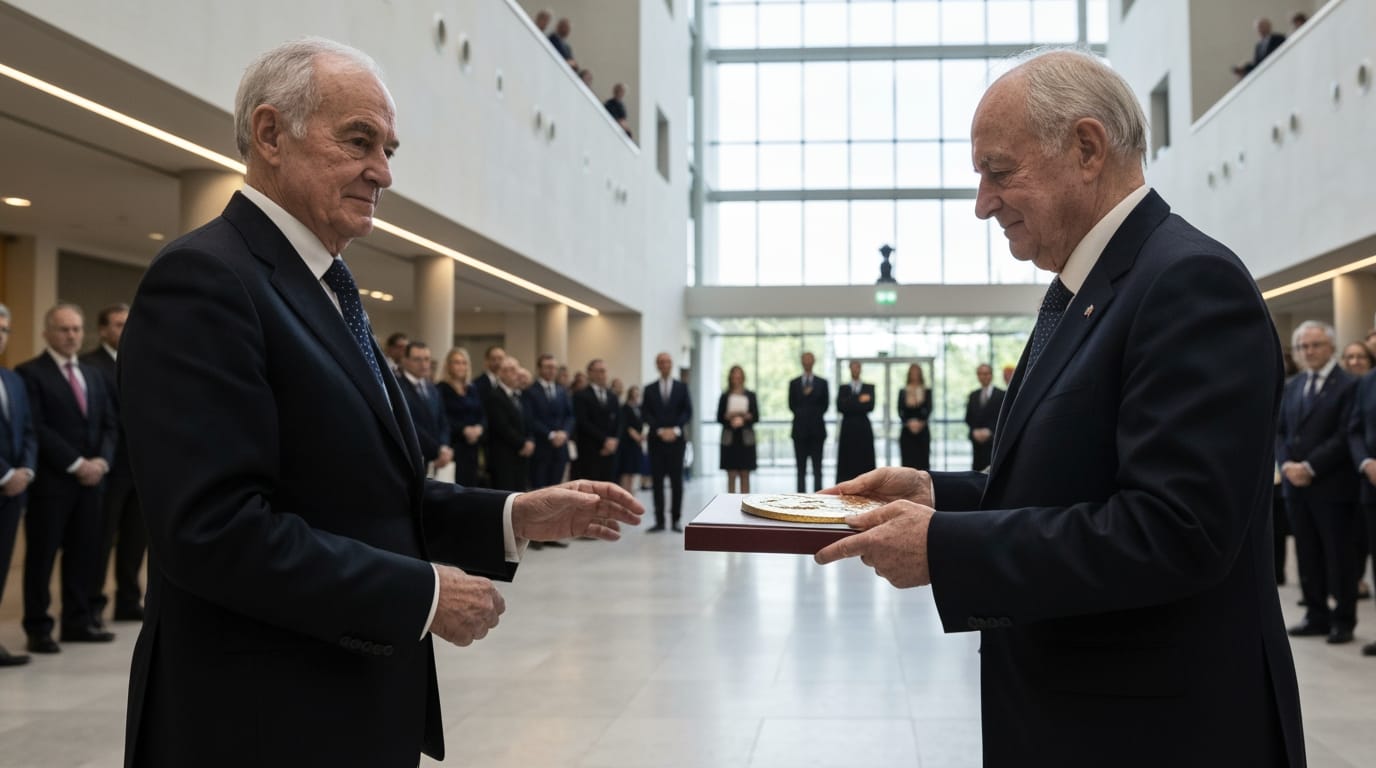
Oslo, Norway – The Nobel Peace Prize ceremony unfolded in Oslo today, December 10, 2025, with a poignant absence at its heart: that of the laureate herself, Venezuelan opposition leader Maria Corina Machado. Awarded the prestigious prize "for her tireless work promoting democratic rights for the people of Venezuela and for her struggle to achieve a just and peaceful transition from dictatorship to democracy", Machado's inability to attend underscores the very challenges she has dedicated her life to combating. Her daughter, Ana Corina Machado, accepted the medal and diploma on her behalf, delivering a powerful speech penned by the activist from her undisclosed location in Venezuela.
A Voice for Venezuela's Democratic Aspirations
Maria Corina Machado, a prominent figure in Venezuelan politics, has long stood as a symbol of democratic resistance against an increasingly authoritarian regime. The Norwegian Nobel Committee lauded her for keeping "the flame of democracy burning amid a growing darkness" in her home country. Her activism began in the early 2000s when she co-founded Súmate, an organization dedicated to strengthening Venezuela's democracy through initiatives like election monitoring. Over the decades, she has been a vocal opponent of both the Hugo Chávez and Nicolás Maduro administrations, advocating for human rights and a peaceful transition to democracy.
Machado's path has been fraught with peril. She has faced political bans, preventing her from holding public office and running for the presidency. Her unwavering stance against the current government has led to a life lived largely in hiding within Venezuela, a testament to the high personal risks assumed by those who challenge the established power structure. The Nobel Committee's decision to honor Machado amplifies the international spotlight on the ongoing crisis in Venezuela and the systemic suppression of democratic freedoms within the nation.
An Empty Chair, A Resounding Message
The sight of an empty chair at the Nobel Peace Prize ceremony is not unprecedented, yet it remains a potent symbol of ongoing repression and the sacrifices made by those recognized for their commitment to peace and human rights. Machado's absence was not a choice but a consequence of her perilous situation; Venezuelan authorities reportedly consider her a "fugitive" and indicated that leaving the country to accept the award would solidify this status. Despite earlier hopes that she might find a way to travel to Oslo, the Nobel Institute confirmed her non-attendance, with spokesperson Erik Aasheim stating, "She is not coming to the ceremony".
Instead, it was her daughter, Ana Corina Machado, who stood before the global audience to receive the award, bringing with her a message directly from the laureate. The ceremony saw the gathering of several Latin American heads of state, including Argentine President Javier Milei, and Machado's mother and three daughters, all present in Oslo to bear witness to this significant moment. Their presence, while poignant, served to reinforce the collective struggle and the international solidarity for democratic ideals that the prize represents. This moment transforms Machado from a besieged political figure in her own country into a global icon, joining the ranks of other laureates who have challenged autocratic rule.
A Pattern of Peril: Echoes of Past Absences
Machado's inability to personally receive her award draws parallels with other Nobel Peace Prize laureates who have been prevented from attending the ceremony due to political repression or imprisonment. Most recently, the 2023 laureate, Iranian human rights activist Narges Mohammadi, was represented by her children, Ali and Kiana Rahmani, who accepted the prize on her behalf while she remained imprisoned in Iran. These instances serve as stark reminders that the pursuit of peace and justice often comes at an immense personal cost, placing laureates in direct confrontation with oppressive regimes.
The Norwegian Nobel Committee has, in such cases, consistently used the platform of the award ceremony to highlight the plight of these individuals and to condemn the actions of governments that stifle dissent and deny fundamental freedoms. By honoring individuals like Machado and Mohammadi, the committee not only recognizes their courage but also draws international attention to the broader human rights abuses occurring in their respective nations. This year's ceremony, therefore, was not just a celebration of Machado's achievements but a powerful condemnation of the circumstances that prevented her from sharing in that recognition personally.
Heightened Scrutiny on Venezuela
The awarding of the Nobel Peace Prize to Maria Corina Machado places Venezuela under an intensified global spotlight. It underscores the international community's concern over the nation's political trajectory, particularly following Machado's accusations that President Nicolás Maduro's government stole the July 2024 election, a claim echoed by many international observers. Her characterization of Maduro as the head of a "narco-terrorist structure" and her perceived alignment with strong international stances against the current Venezuelan government further illustrate the deep polarization and fragility of the country's political landscape.
The prize serves as both an endorsement of Machado's persistent efforts and a call to action for the international community to continue advocating for democratic principles and human rights in Venezuela. It reinforces the message that the struggle for democracy is a global endeavor, with consequences that extend far beyond national borders. The recognition offers a measure of hope and validation to the Venezuelan opposition and civil society, who often operate under extreme pressure and risk.
Enduring Courage in the Face of Adversity
Maria Corina Machado's Nobel Peace Prize, accepted in absentia, stands as a profound testament to the enduring power of courage and conviction in the pursuit of democratic ideals. Her tireless efforts to promote human rights and a peaceful transition in Venezuela, despite severe personal risk and political persecution, have resonated globally. The empty chair in Oslo was not merely a void but a symbolic representation of the fight for freedom waged by countless individuals against authoritarianism worldwide.
As her daughter delivered Machado's message, the ceremony transcended a simple award presentation, becoming a powerful affirmation of the universal yearning for liberty and justice. It underscored the Nobel Committee's commitment to recognizing those who, even when silenced or constrained, continue to inspire hope and champion the fundamental dignity of all people. The world watched, not just to witness a prize being given, but to acknowledge the profound and ongoing struggle for democracy that Maria Corina Machado so courageously embodies.


