North Korea Condemns US-South Korea Air Drills on Kim Il Sung's Birthday
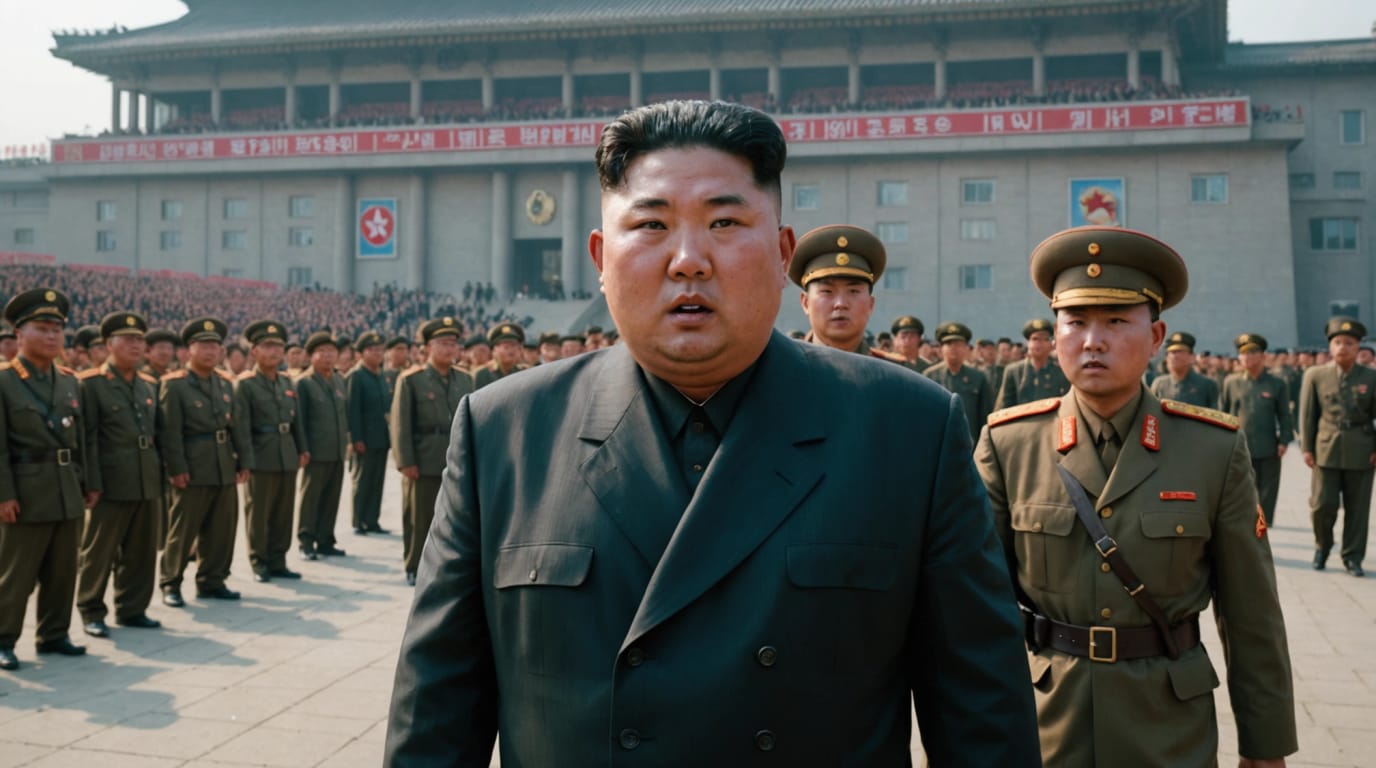
Pyongyang issued a strong warning to the United States following joint air exercises with South Korea, coinciding with the 113th anniversary of the birth of North Korea's founder, Kim Il Sung. The drills, which involved U.S. B-1B bombers, have been labeled a "grave provocation" by North Korea, further escalating tensions on the Korean Peninsula.
"Day of the Sun" Marked by Military Posturing
Kim Il Sung's birthday, known as the "Day of the Sun," is North Korea's most important national holiday, a day of elaborate celebrations and displays of national pride. This year's commemoration included art festivals and calls for public unity behind current leader Kim Jong Un. The timing of the US-South Korean drills has been interpreted by many as a deliberate show of force, likely to provoke a strong reaction from Pyongyang.
US-South Korea Joint Air Drills
The joint air drills, which took place on April 15, involved U.S. B-1B strategic bombers, South Korean F-35A and F-16 fighter jets, and U.S. F-16 fighter jets. According to South Korea's Defense Ministry, the exercises were designed to strengthen the allies' combined operational capability and demonstrate their deterrence against North Korea's advancing nuclear and missile programs. The ministry stated that the allies would continue to expand joint military exercises to respond to North Korean threats. This recent exercise marks the second deployment of B-1B bombers to the Korean Peninsula since President Donald Trump began his second term in January.
North Korea's Response
North Korea's defense ministry released a statement condemning the drills as a "reckless and unnecessary abuse of strength" and a "grave provocation" that raises regional military tension to "an extreme dangerous level." An unnamed spokesperson warned that Pyongyang would "deter by dint of powerful force the US aggressive attempt to permanently fix the malignant instability element in the security environment of the region." North Korea often reacts to the U.S. deployment of B-1B bombers and other powerful military assets with missile tests and fiery rhetoric. In February, after a similar flyover, North Korea test-fired cruise missiles in what it called an attempt to show its nuclear counterattack capability.
Rising Tensions and Denuclearization Talks
The joint air drills and North Korea's reaction occur amid stalled denuclearization talks between the U.S. and North Korea. Kim Yo Jong, Kim Jong Un's sister and a senior official, recently derided the U.S. and its Asian allies over their "daydream" of denuclearizing the North, insisting that the country will never give up its nuclear weapons program. The U.S. has reaffirmed its commitment to the denuclearization of North Korea in a joint statement with the top diplomats of South Korea and Japan.
US Military Presence in South Korea
The United States maintains a significant military presence in South Korea, with approximately 28,500 troops stationed there. This presence is a cornerstone of the U.S.-South Korea alliance, which is codified in the 1953 Mutual Defense Treaty. The U.S. forces work closely with the South Korean military and United Nations Command member countries to deter and defend against the threat from North Korea and maintain the Korean Armistice Agreement. The U.S. military presence includes the Eighth United States Army, U.S. Air Forces Korea (Seventh Air Force), U.S. Naval Forces Korea, U.S. Marine Forces Korea, and U.S. Special Operations Command Korea.
History of Tensions and Military Exercises
The Korean Peninsula has been a region of heightened military tensions since the Korean War. The U.S. and South Korea have a long history of conducting joint military exercises to deter North Korean aggression. These exercises often draw strong condemnation from North Korea, which views them as rehearsals for invasion. In recent years, North Korea has continued to develop its nuclear and missile programs, leading to increased sanctions and international pressure.
Implications for Regional Security
The current escalation of tensions raises concerns about regional security and the potential for miscalculation. North Korea's continued development of nuclear weapons and ballistic missiles poses a direct threat to South Korea, Japan, and the United States. The U.S. commitment to defending its allies in the region remains strong, but the path forward for denuclearization and peaceful resolution of the conflict remains uncertain. The deployment of strategic assets like the B-1B bomber is intended to deter North Korean aggression, but it also risks further provoking Pyongyang and escalating tensions.
Future Outlook
The situation on the Korean Peninsula remains volatile. While President Trump has expressed a willingness to resume diplomacy with Kim Jong Un, North Korea has yet to respond directly to his outreach. The U.S. and South Korea are expected to continue their joint military exercises, while North Korea is likely to continue its missile tests and development of its nuclear program. The international community will need to remain vigilant and work towards a peaceful resolution to the conflict. The start of South Korea's Air Force's biannual "Freedom Flag" exercises with the U.S., featuring 90 aircraft and other assets, is expected to further intensify North Korea's anger.