Zelenskyy Firmly Denies Ukraine's Role in Nord Stream Sabotage Amid Mounting Allegations
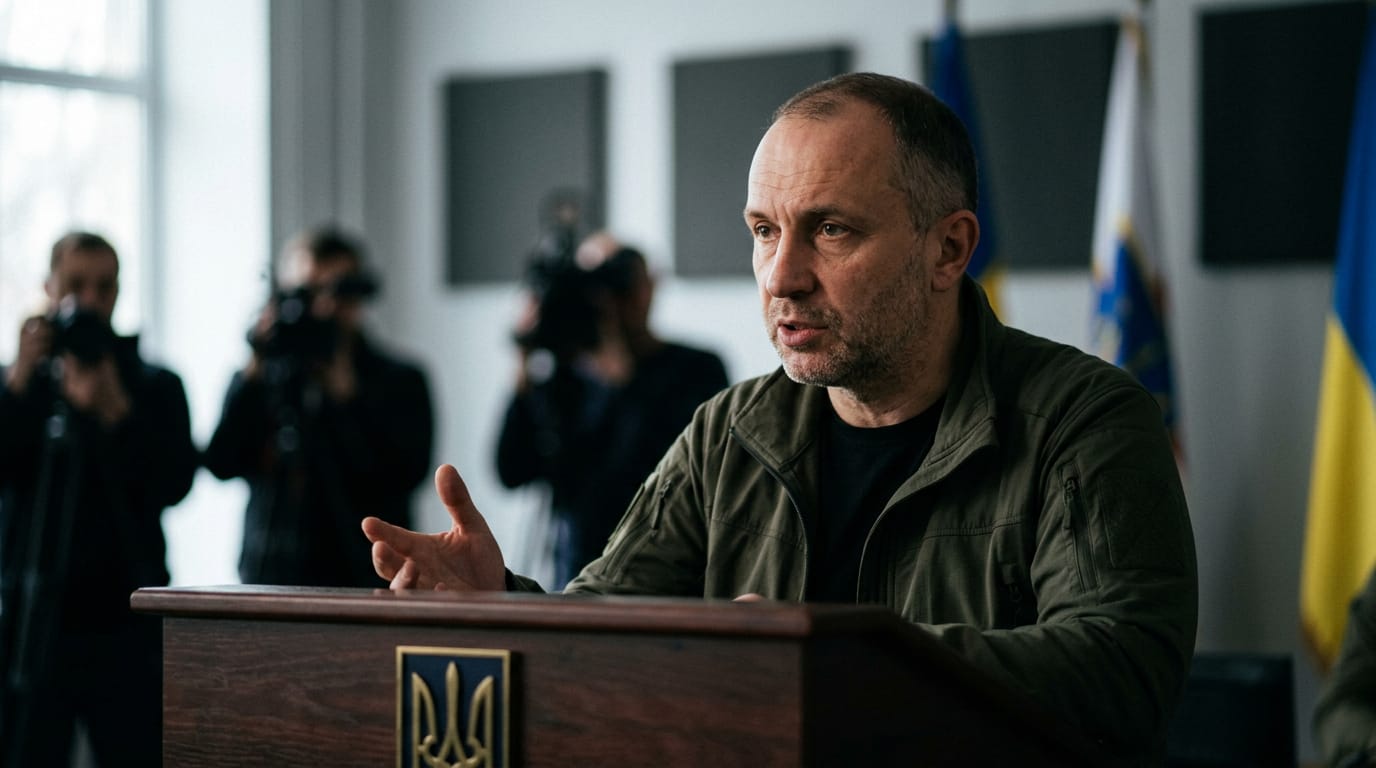
KYIV, Ukraine – Ukrainian President Volodymyr Zelenskyy has once again vehemently denied any involvement of the Ukrainian state in the 2022 Nord Stream pipeline explosions, reiterating Kyiv's commitment to cooperating with international investigations into the highly contentious act of sabotage. His latest statements come as German prosecutors continue to pursue leads suggesting Ukrainian state involvement, further complicating diplomatic relations with a crucial European ally.
The September 2022 underwater blasts severely damaged three of the four pipelines designed to transport natural gas from Russia to Germany under the Baltic Sea, immediately triggering a geopolitical firestorm and launching a complex, multi-national investigative effort. While Sweden and Denmark have since closed their inquiries without identifying culprits, Germany's investigation remains active and has recently seen significant developments, including the arrest of Ukrainian nationals.
Persistent Denials Amidst Intensifying Scrutiny
President Zelenskyy, speaking on Sunday, August 23, 2026, forcefully asserted that Ukraine had "never officially taken part in any operation related to the blowing up of Nord Stream". He emphasized that German officials are "well aware" of Ukraine's non-involvement in either the planning or execution of the operation. This renewed denial follows persistent speculation and recent investigative breakthroughs by German authorities that have directly implicated Ukrainian individuals, and by extension, raised questions about state-level complicity.
Zelenskyy underscored the critical importance of maintaining trust and partnership with European countries that have been instrumental in supporting Ukraine since the onset of the war. He assured that Ukraine's Prosecutor General's Office and Foreign Ministry are actively engaged and "open to everything," ready to assist partners in the investigation. This stance aims to counteract any narratives that could potentially strain Ukraine's vital alliances.
The Nord Stream Attacks: A Recap of a Geopolitical Enigma
The Nord Stream 1 and 2 pipelines, constructed to deliver Russian natural gas to Germany, became the target of unprecedented sabotage on September 26, 2022. A series of powerful underwater explosions ruptured the pipelines in international waters, specifically within the economic zones of Denmark and Sweden, leading to massive gas leaks in the Baltic Sea. While Nord Stream 2 had been completed, it never became operational due to Germany's suspension of its certification following Russia's invasion of Ukraine. Nord Stream 1 had also ceased gas flows prior to the incident, officially due to maintenance issues cited by Gazprom. Consequently, the immediate impact on Europe's gas supply was limited, as neither pipeline was actively transporting gas at the time of the attacks. However, the deliberate destruction of critical energy infrastructure was widely condemned as an act of "gross sabotage" and elevated geopolitical tensions.
The incident sparked a global guessing game regarding the perpetrators. Initial accusations ranged from Russia itself, seeking to weaponize energy, to Western powers aiming to cut Europe's energy dependence on Moscow. The complexity of underwater demolition at such depths suggested the involvement of state actors.
Unraveling the Mystery: International Investigations and Arrests
Investigations by Germany, Sweden, and Denmark commenced almost immediately after the explosions. While Sweden and Denmark concluded their probes in February 2024, citing insufficient grounds for criminal prosecution on their territory or an inability to identify those responsible, Germany's federal prosecutor's office has pressed on.
German authorities have steadily built a case, which has increasingly pointed towards individuals with alleged ties to Ukraine. In August 2025, an individual identified as Serhii K., a former Ukrainian army officer, was arrested in Italy on a German warrant and subsequently extradited to Germany. Prosecutors allege that Serhii K. coordinated a team responsible for planting explosives on the pipelines and that he was acting on behalf of Ukrainian intelligence authorities.
Adding to the complexity, another Ukrainian national, Volodymyr Zhuravliov (also identified as Vladimir Z. in German filings), was recently arrested in Croatia in connection with the sabotage. Zhuravliov, a professional scuba diver, was reportedly arrested while working as a consultant on a Hollywood film about the Nord Stream bombings. German prosecutors accuse him of being part of the group that planted explosives near Bornholm island in September 2022 and participating in the necessary dives. This marks the second major arrest in the German investigation, following an earlier attempt to arrest Zhuravliov in Poland in 2024, which was denied by a Polish court that ruled Germany lacked jurisdiction and suggested the act could be seen as a "justified action by Ukraine" in a defensive war.
Geopolitical Ramifications and Future Uncertainties
The ongoing German investigation and the arrests of Ukrainian nationals have introduced a delicate diplomatic challenge for Kyiv. While Ukraine consistently denies state involvement, the allegations from German prosecutors — a key military and financial supporter — risk complicating relations. Zelenskyy's emphasis on maintaining partnership and trust highlights this sensitivity.
The broader implications of the Nord Stream sabotage extend to European energy security and regional stability. Although the pipelines were not operational at the time of the blasts, the incident underscored the vulnerability of critical undersea infrastructure. The disruption has effectively ended the possibility of direct Russian gas imports to Germany via these routes, further solidifying Europe's pivot away from Russian energy dependence, a policy shift already well underway due to Russia's aggression in Ukraine.
As the German investigation progresses, the international community watches closely. The findings could have significant geopolitical repercussions, influencing perceptions of Ukraine and its allies, and potentially reshaping future energy policies and security cooperation in Europe. The definitive answers to who was behind the Nord Stream attacks remain elusive, shrouded in claims, counter-claims, and the slow grind of complex international investigations.