North Korea Intensifies Nuclear Buildup, Raising Regional Tensions
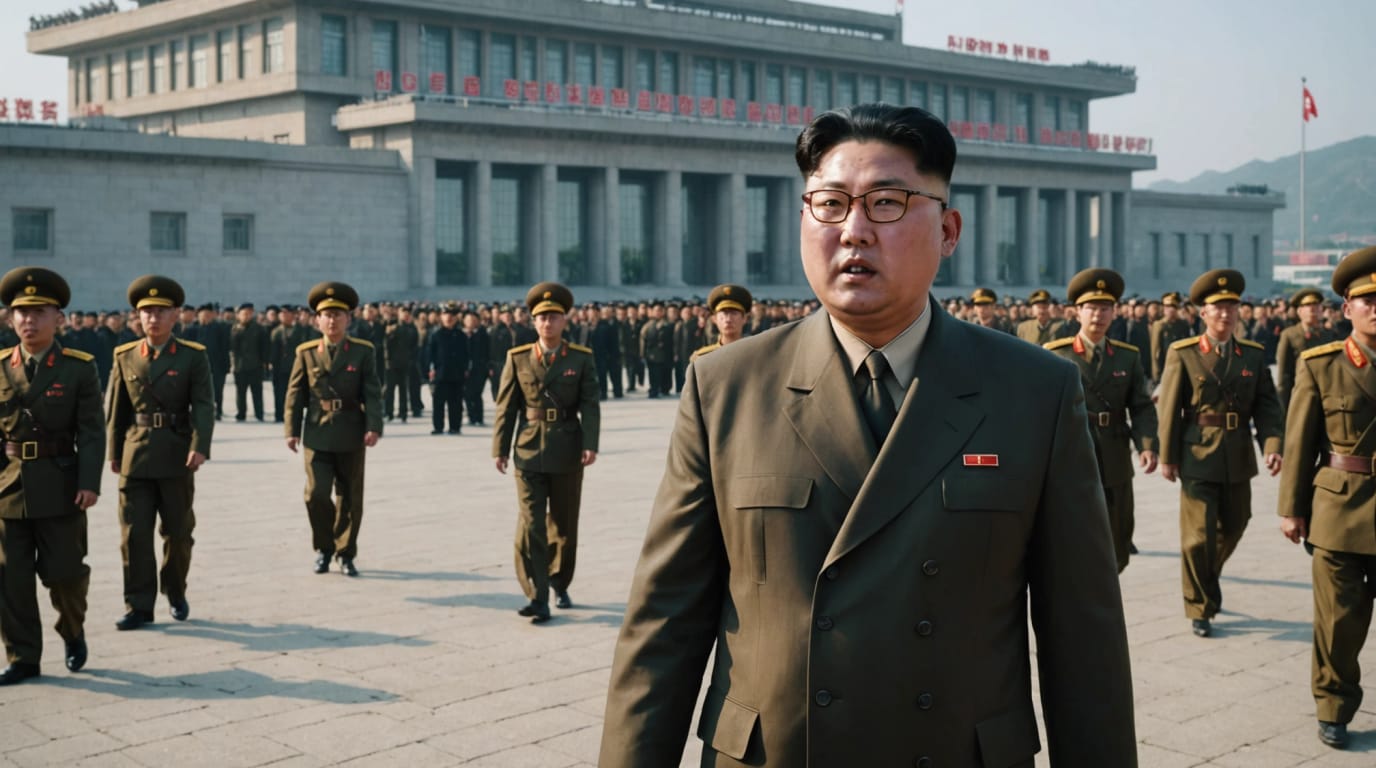
North Korea is aggressively advancing its nuclear weapons program, defying international sanctions and escalating concerns about regional stability. Recent developments indicate a significant expansion of its nuclear arsenal and a shift in its nuclear doctrine, prompting responses from the United States, South Korea, and other nations.
Expanding Arsenal and Fissile Material Production
North Korea's nuclear capabilities have grown substantially in recent years. As of 2024, estimates suggest that North Korea possesses an arsenal of approximately 50 nuclear warheads. A recent report by the U.S. Congress' think tank indicates that North Korea has produced enough fissile material for up to 90 warheads and continues to produce fissile material, including plutonium and highly enriched uranium, at its Yongbyon nuclear complex and possibly at Kangson. This production capacity allows North Korea to potentially manufacture six to seven additional nuclear weapons per year.
The country has also been transparent about its nuclear activities, signaling an expansion of its program. Leader Kim Jong Un has unveiled facilities involved in weapons production, including centrifuge halls and small reactors, emphasizing plans to deploy large numbers of tactical nuclear weapons.
Advancements in Delivery Systems
In addition to increasing its nuclear stockpile, North Korea is making strides in developing more sophisticated delivery systems. These advancements include intercontinental ballistic missiles (ICBMs) capable of reaching the continental United States and submarine-launched ballistic missiles (SLBMs).
North Korea has test-launched ICBMs with sufficient range to reach any target within the United States mainland. The development of solid-fueled ICBMs, which can be fired more quickly than liquid-fueled systems, further enhances North Korea's strike capabilities. The Pukguksong-3 SLBM, successfully tested in late 2019, is designed to be launched from a ballistic missile submarine and carry a nuclear warhead. Subsequent versions, such as the Pukguksong-4, -5, and -6, are under development, with some analysts assessing that the Pukguksong-6 is a solid-fueled, MIRVed (multiple independently targetable reentry vehicle) missile.
Shifting Nuclear Doctrine
North Korea's nuclear doctrine has also evolved, signaling a more assertive stance on the use of nuclear weapons. In September 2022, North Korea adopted a new law that expands the conditions under which it would use nuclear weapons, including possible first use in situations that threaten the regime's survival. Kim Jong Un has also promised to boost nuclear weapons production "exponentially" and diversify nuclear strike options.
This shift in doctrine, coupled with the development of tactical nuclear weapons, suggests a strategy of early use of nuclear weapons in a conflict to offset its conventional military disadvantages.
International Response and Sanctions
The international community has responded to North Korea's nuclear and missile activities with condemnation and sanctions. The United Nations Security Council has passed numerous resolutions requiring North Korea to halt its nuclear and missile programs and imposing sanctions for its refusal to comply. These sanctions aim to restrict North Korea's access to resources and technology needed for its weapons programs.
However, the effectiveness of these sanctions has been questioned, as North Korea continues to advance its nuclear capabilities despite the restrictions. Some reports suggest that North Korea is receiving technical expertise from Moscow in exchange for weapons sales, which could accelerate its weapons development efforts.
Regional Implications and U.S.-South Korea Response
North Korea's expanding nuclear program has significant implications for regional security, particularly for South Korea and Japan. South Korea has been increasing its military spending and modernizing its defense strategies in response to North Korea's growing arsenal. The country has also acquired advanced missile defense systems and is strengthening its intelligence-gathering capabilities.
The United States and South Korea have deepened their security ties, conducting joint military exercises and establishing bilateral consultative mechanisms to strengthen extended deterrence. In 2024, the two countries authorized the signing of joint nuclear deterrence guidelines to enhance their capabilities to cope with North Korea's nuclear threats. The U.S. maintains that any nuclear attack by North Korea against the United States or its allies will result in the end of that regime.
Future Trajectory
North Korea's nuclear ambitions show no signs of abating. Kim Jong Un has stated that his country will no longer pursue reunification with South Korea and has called for increased war readiness. The country is expected to continue developing its nuclear arsenal and delivery systems, potentially conducting further nuclear tests and missile launches.
The international community faces the challenge of finding effective strategies to address North Korea's nuclear program. Diplomatic efforts, sanctions, and military deterrence are all being employed, but the path forward remains uncertain. The potential for escalation and miscalculation remains a significant concern, highlighting the need for careful management of the situation.
Conclusion
North Korea's relentless pursuit of nuclear weapons poses a grave threat to regional and international security. The country's expanding arsenal, advancements in delivery systems, and shifting nuclear doctrine are raising tensions and prompting responses from the United States, South Korea, and other nations. Addressing this challenge requires a multifaceted approach that combines diplomatic engagement, economic pressure, and military deterrence to prevent further escalation and maintain stability in the region.


