North Korean POWs in Ukraine: A Diplomatic and Humanitarian Stalemate for Seoul
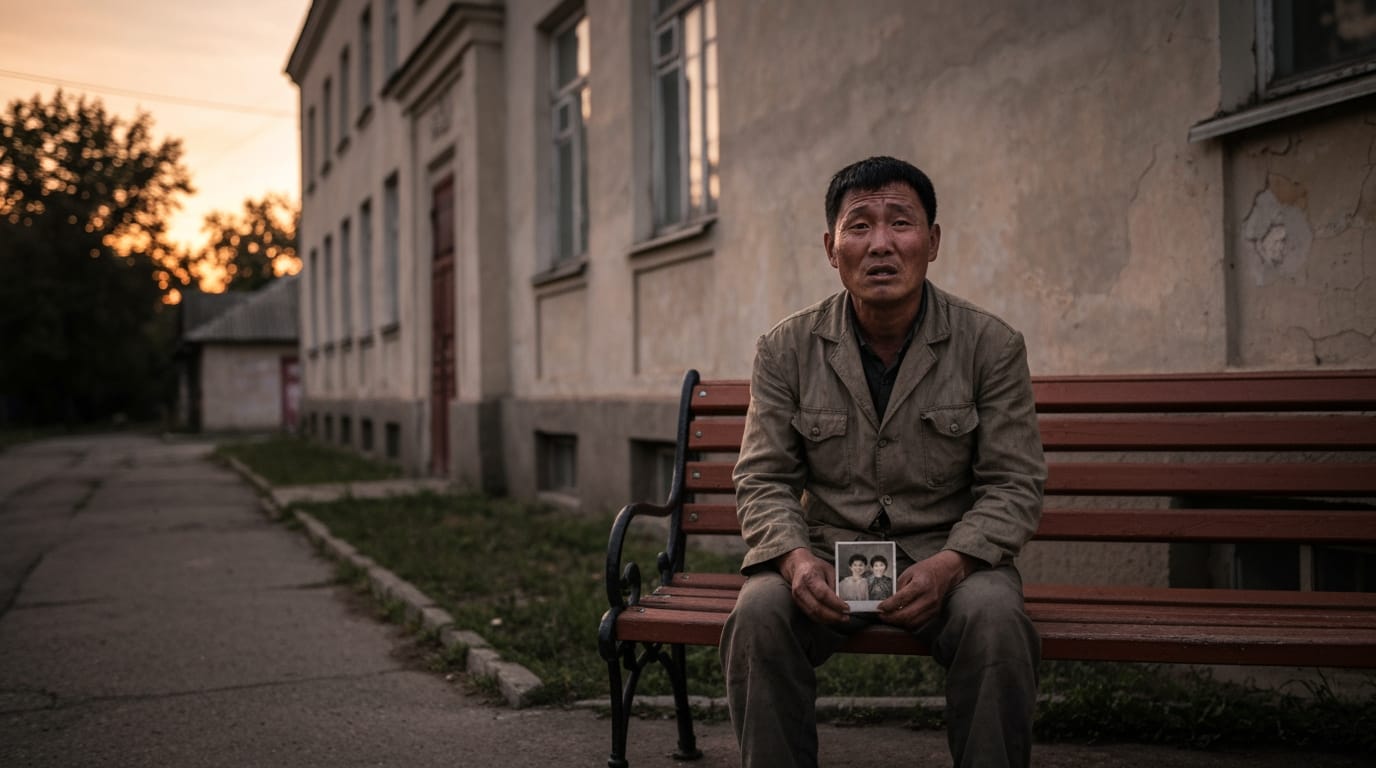
KYIV/SEOUL – A small number of North Korean prisoners of war, captured on Ukrainian battlefields while fighting for Russia, remain in legal and humanitarian limbo as they express a fervent desire to defect to South Korea. Their plight highlights a complex international dilemma, pitting the tenets of wartime repatriation against the principle of non-refoulement and South Korea's constitutional claim over all Koreans. While Seoul has consistently offered safe haven, Kyiv appears hesitant to facilitate their transfer, navigating a delicate diplomatic tightrope amid ongoing hostilities.
The Desperate Plea from the Front Lines
At least two North Korean soldiers were captured by Ukrainian forces in January 2025, operating in Russia’s Kursk region alongside Russian units. These individuals, reportedly in their twenties, have since communicated a profound fear of forced repatriation to North Korea, where such actions are met with severe penalties, including potential execution. Human rights organizations and South Korean officials confirm the soldiers' repeated expressions of a wish to resettle in the South, conveyed through interviews and letters. One of the captives initially voiced this desire in February 2025, with both reaffirming their intent in October 2025. Compounding their distress, reports indicate the prisoners have experienced psychological instability and even attempted self-harm, terrified of the repercussions should they be returned to Pyongyang. Their desperation is underscored by North Korea's documented policy, which reportedly instructs soldiers to detonate grenades on themselves rather than face capture, glorifying such acts of suicide in twice-weekly political indoctrination sessions.
Seoul's Open Door Policy
For South Korea, the situation of these captured North Korean soldiers is rooted in a fundamental tenet of its national identity and law. Under the South Korean constitution, all individuals born on the Korean Peninsula, including those in the North, are considered citizens of the Republic of Korea. This constitutional mandate dictates Seoul's approach to North Korean defectors, obliging the government to provide protection, citizenship, and settlement support to those who seek refuge in the South.
Consistent with this policy, Seoul has unequivocally stated its readiness to accept any North Korean prisoners of war who refuse repatriation to their homeland. This stance has been communicated to Ukrainian authorities, underscoring South Korea's humanitarian commitment and its legal framework regarding North Korean citizens. Historically, thousands of North Koreans have defected to the South, navigating perilous routes to escape economic hardship and political oppression, and have been integrated into South Korean society following vetting and resettlement programs. The case of these POWs, however, introduces unprecedented complexities given their capture in an active international conflict.
Ukraine's Quandary: Geopolitics and the Law of War
Despite Seoul's clear position, Ukraine has reportedly expressed reluctance to directly transfer the North Korean POWs to South Korea. This hesitation stems from a confluence of geopolitical considerations and the intricate provisions of international humanitarian law. While Ukrainian President Volodymyr Zelenskyy had previously indicated a willingness to consider an exchange with North Korea for Ukrainian POWs, or explore other options for those unwilling to return, the immediate transfer to Seoul remains unexecuted. Ukrainian officials reportedly believe that any discussion regarding their transfer to South Korea should involve direct communication between the South Korean and Ukrainian heads of state.
The core of the legal debate revolves around the Third Geneva Convention, which governs the treatment of prisoners of war. This convention stipulates that POWs must be treated humanely and, critically, "prisoners must not be repatriated against their will." This clause is particularly relevant when repatriation poses a substantial threat to a prisoner's fundamental rights, aligning with the principle of non-refoulement. This principle, a cornerstone of international human rights law, prohibits returning individuals to countries where they face a credible risk of persecution, torture, or other severe harm. Given the well-documented human rights abuses in North Korea, including torture and arbitrary imprisonment, humanitarian advocates and the United Nations Special Rapporteur on North Korea's human rights have stressed Ukraine's obligations under non-refoulement. The unique legal status of these individuals — both prisoners of war under international law and South Korean nationals under South Korean domestic law — further complicates the matter, requiring diplomatic negotiations with Ukraine, which holds primary jurisdiction as the detaining power.
Pyongyang's Shadow: A Proxy in a Broader Conflict
The presence of North Korean soldiers in Ukraine underscores Pyongyang's deepening military alliance with Moscow. Since October 2024, North Korea has deployed an estimated 10,000 to 15,000 combat and engineering troops to Russia's Kursk region. These forces are reportedly involved in diverse roles, including operating artillery, multiple-launch rocket systems, aerial reconnaissance, and drone warfare, with approximately 6,000 North Korean troops estimated to have been killed or wounded in the conflict.
Pyongyang's motivations for such a deployment are multifaceted. Beyond providing direct military support to Russia, North Korea is perceived to be gaining invaluable combat experience for its military personnel and potentially receiving technical assistance from Russia for modernizing its own weapons systems, including drone development. This exchange of military resources and expertise has significant implications for regional security, particularly for South Korea, which views the enhancement of North Korea's military capabilities with grave concern.
Awaiting Resolution
The fate of the North Korean POWs in Ukraine remains a poignant humanitarian issue intertwined with complex legal and geopolitical considerations. While international law offers a clear path for prisoners unwilling to be repatriated to a country where they face persecution, the practicalities of transferring these individuals require careful diplomatic maneuvering between Kyiv and Seoul. The situation underscores the human cost of the wider conflict and the enduring divisions on the Korean Peninsula. As these North Korean soldiers languish in captivity, their desperate pleas for asylum serve as a stark reminder of the urgent need for a resolution that upholds humanitarian principles and international law.