Oil Market Jolted: Dual Crises in Hormuz and Red Sea Propel Prices to Multi-Week Highs
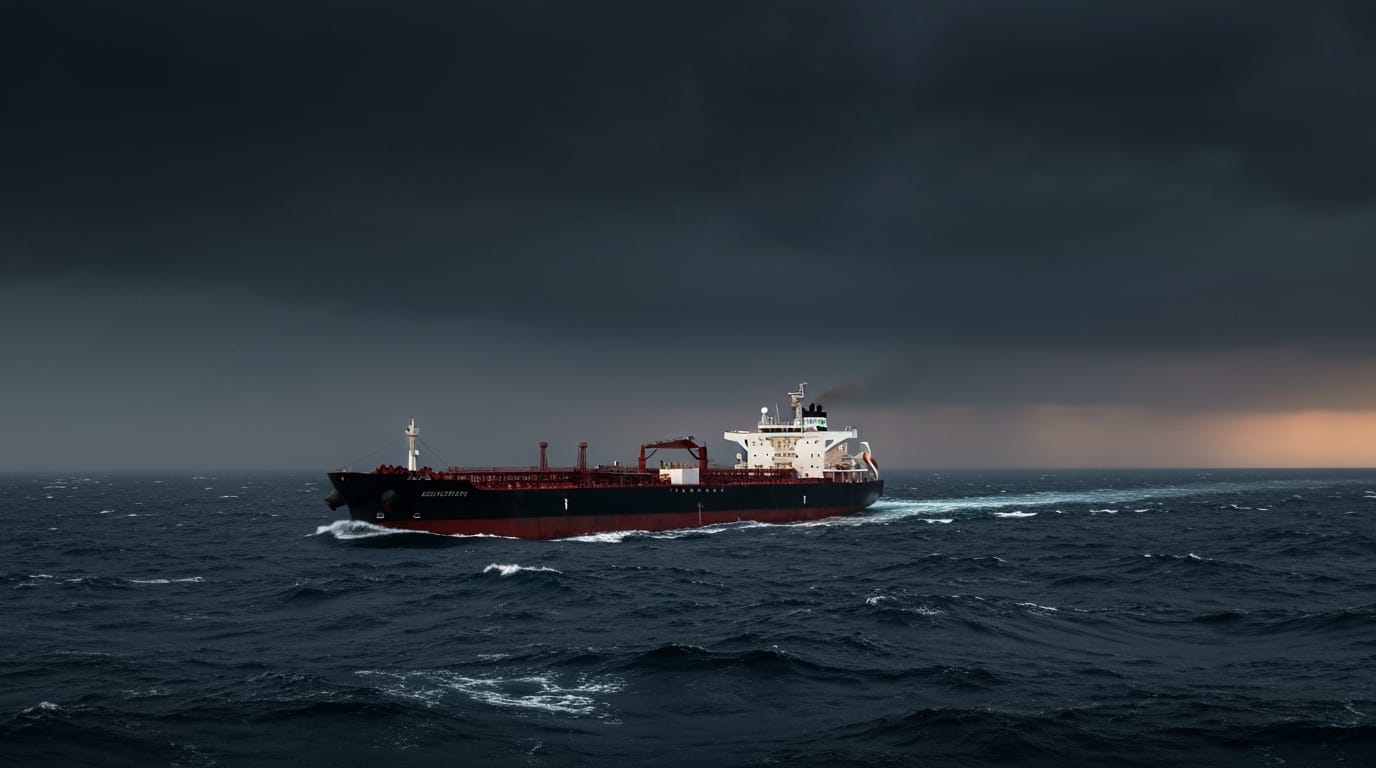
Global oil markets are experiencing significant turbulence as escalating tensions in two of the world's most vital maritime chokepoints, the Strait of Hormuz and the Red Sea, have driven crude prices to their highest levels in over six weeks. The convergence of these crises has ignited concerns over crude supply availability, leading to a palpable "geopolitical premium" that is translating into higher costs for businesses and consumers worldwide. The dual threats underscore the fragile nature of global energy security, with analysts warning of a rare and simultaneous disruption risk to critical shipping lanes.
The Dual Chokepoints Under Pressure
The Strait of Hormuz, a narrow passage through which a significant portion of the world's oil transits, has witnessed a dangerous escalation. Iran's Revolutionary Guards declared the strait "completely closed" and under their control, warning that no tanker would be allowed to enter or leave without their coordination. This assertion followed an incident where an oil tanker reportedly caught fire after an explosion while attempting to navigate a route described by the Guards as mined, south of the strait. Two other vessels were forced to turn back, signaling the immediate impact of the heightened threat. This dramatic move comes amid ongoing military strikes between the United States and Iran, intensifying fears of a broader regional conflict.
Concurrently, the Red Sea and the equally crucial Bab el-Mandeb Strait are facing severe disruption due to attacks by Yemen's Iran-aligned Houthi rebels. The Houthis have specifically targeted Saudi oil tankers, claiming responsibility for military operations against two such vessels. Maritime security reports indicate that the Saudi-flagged tanker Encelia was hit in the Red Sea as part of these attacks, which aim to impose a naval blockade on Saudi Arabia. This new front in maritime warfare poses a formidable challenge, with analysts estimating that disruptions in the Red Sea could interrupt up to 5 million barrels per day of oil supply, threatening a primary route for Gulf oil that bypasses the Strait of Hormuz.
Escalation and Geopolitical Drivers
The current surge in oil prices is directly attributable to the confluence of these two highly volatile situations, both rooted in the broader geopolitical tensions gripping the Middle East. The incidents in the Strait of Hormuz are inextricably linked to a series of exchanges between the U.S. and Iran, including a reported twelfth consecutive night of U.S. strikes against Iranian targets. Iran, in turn, has responded with attacks on Kuwait and asserted control over Hormuz in an apparent effort to exert economic pressure amidst the ongoing confrontation. The situation reflects a deepening standoff that has kept investor sentiment fragile and elevated concerns about a broader, destabilizing conflict in the region.
In the Red Sea, the Houthi actions against commercial shipping, particularly oil tankers, are widely seen as an extension of the proxy conflicts involving Iran. The Houthi movement, aligned with Tehran, has demonstrated an increasing capability to disrupt vital maritime traffic, thereby creating a "two-chokepoint problem for oil" as described by market analysts. The motivation behind these attacks appears to be multi-faceted, ranging from imposing a naval blockade on Saudi Arabia to projecting influence and responding to regional dynamics.
Economic Aftershocks: From Crude to Consumers
The immediate economic impact has been a sharp upward trajectory for global oil benchmarks. Brent crude futures, the international standard, rose by 2.6% to reach $96.49 per barrel, marking its highest point since June 8. Some reports even saw Brent touching nearly $99, just shy of the $100 mark not seen in almost two months. Similarly, U.S. West Texas Intermediate (WTI) crude climbed by 1.8% to $88.42, its highest in over a month. These increases represent a fifth consecutive day of rises, signaling sustained market anxiety.
Market analysts, such as Priyanka Sachdeva of Phillip Nova, note that "geopolitical premiums have returned," but emphasize that a sustained rally would necessitate prolonged shipping disruptions or meaningful supply outages. The current environment, however, is already prompting more vessels to divert from the Bab el-Mandeb Strait, leading to increased shipping costs and longer transit times. This ripple effect is quickly reaching consumers, particularly at the fuel pump. In the United Kingdom, for instance, the average price of petrol has risen to 155.57 pence per liter, up from 150.59 pence just weeks prior, while diesel costs have climbed to 172.14 pence. These price hikes are reversing recent reductions and are expected to continue their ascent.
Beyond fuel prices, the broader economic consequences are beginning to materialize. Higher oil prices disproportionately affect major energy importers like Japan, weighing on their economies. Furthermore, the market uncertainty has contributed to a rise in bond yields, with U.S. 10-year Treasury yields pushing to 4.64% and French 10-year yields approaching 4%, the highest since the global financial crisis.
Navigating the Perilous Waters Ahead
The simultaneous threats to the Strait of Hormuz and the Red Sea represent an unprecedented challenge to global energy flows and supply chain stability. The critical importance of these waterways cannot be overstated; they are indispensable conduits for international trade, especially for hydrocarbons. The potential for a significant portion of daily oil supply to be interrupted through these "chokepoints" poses a severe risk to global economic stability.
As international naval forces monitor the situation and diplomatic efforts continue to seek de-escalation, the immediate future remains uncertain. The fragility of investor sentiment underscores the widespread concern that any further escalation could lead to a broader regional conflict with devastating economic repercussions. The world is watching closely as geopolitical tensions translate directly into tangible impacts on global markets and everyday life.
The ongoing crises in the Strait of Hormuz and the Red Sea have starkly illustrated the interconnectedness of geopolitics and global energy markets. The immediate surge in oil prices reflects deep-seated anxieties over supply disruptions in these vital maritime passages, threatening to unravel economic recovery efforts and impose significant burdens on consumers and industries alike. With no clear resolution in sight for the underlying conflicts, the global community faces a period of sustained vigilance and potential volatility, underscoring the urgent need for stability in these critical regions to safeguard global trade and energy security.