Olympic Skater Finds Brief Respite and Reunion Amidst Ukraine's Enduring Conflict
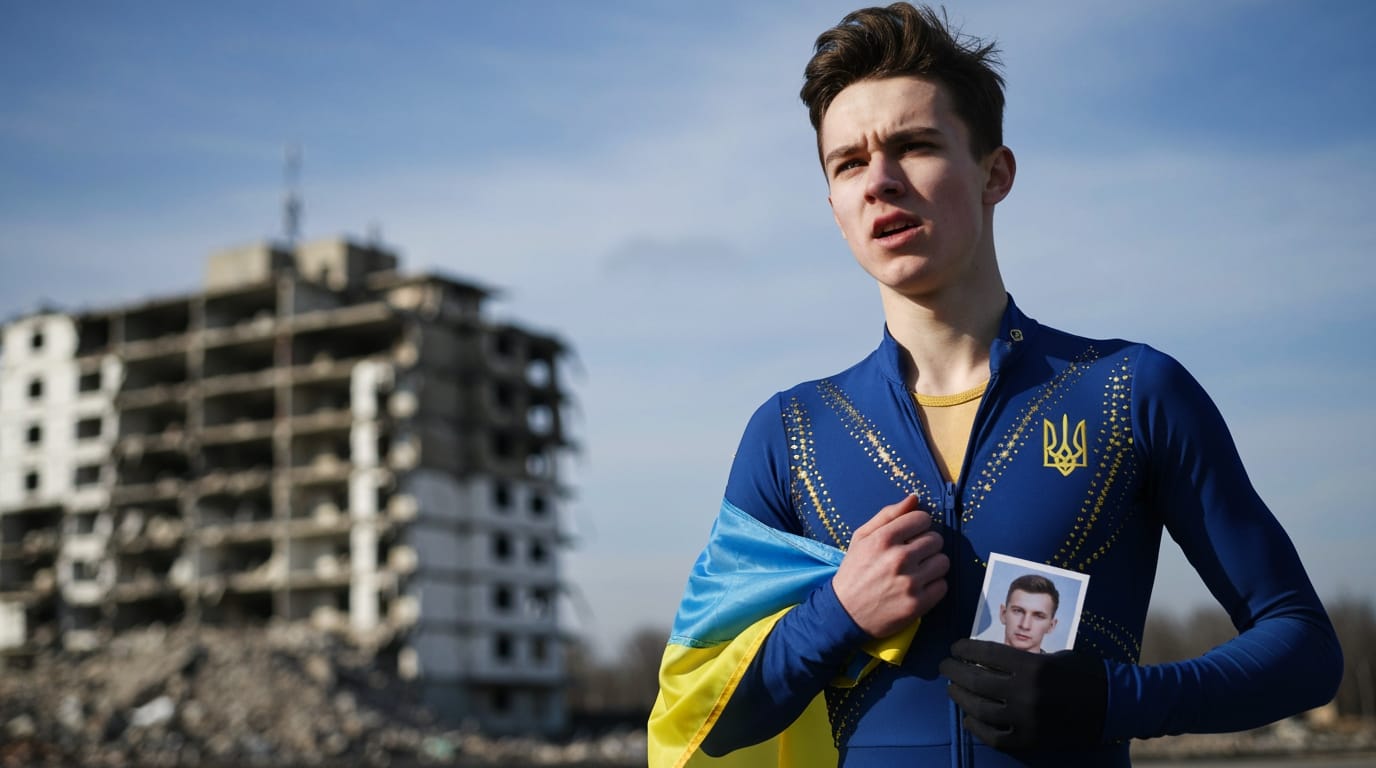
MILAN – Four years of relentless war, marked by the destruction of homes, shattered livelihoods, and the constant threat of aerial attacks, culminated in a poignant reunion at the Milan Cortina Games. American figure skater Vadym Kolesnik, whose family in Ukraine has endured the brutal realities of conflict, recently embraced relatives he had not seen since Russia’s full-scale invasion intensified. This Olympic moment, a fleeting symbol of hope, underscores the profound human cost of the ongoing war and the indomitable spirit of those striving for normalcy amidst chaos.
Kolesnik, an ice dancer representing the United States alongside partner Emilea Zingas, arrived at the Games carrying not only the weight of Olympic aspirations but also the heavy burden of his family's struggles in Kharkiv. For years, the distance between the aspiring athlete and his loved ones felt like a lifetime, punctuated by news of devastation and danger. The reunion, made possible through a community fundraising effort, offered a powerful, albeit temporary, reprieve from the anxieties that have defined his recent past.
A Family Forged in Conflict
The story of Kolesnik's family is a microcosm of the wider Ukrainian experience. His father, Igor, once the proprietor of a thriving appliance and lighting business in Kharkiv, saw his life's work reduced to rubble by Russian bombardment. Simultaneously, his older brother, also named Igor, answered the call to duty, enlisting in the Ukrainian army following the 2022 invasion. The family home, perpetually under the shadow of drones and missiles, became a daily battleground for survival. Kolesnik often reflected on the stark contrast between his privileged pursuit of athletic excellence and the perilous existence of his relatives. The everyday challenges of Olympic training, he acknowledged, paled in comparison to the struggles his family faced simply to live.
During the four years of separation, communication was sporadic and often fraught with worry. Kolesnik's father remained in Ukraine to care for his own grandmother, further embedding him in the heart of the conflict. The danger was ever-present, with constant reports of air raids and missile strikes in their region. The psychological toll of such protracted separation and the constant threat to loved ones weighed heavily on the skater, yet it also fueled a deeper sense of purpose and resolve in his training.
An Olympic Reunion Against the Odds
The long-awaited reunion at the Milan Cortina Games was orchestrated through a GoFundMe campaign, launched shortly after Kolesnik and Zingas qualified for the Olympics. The modest expectations for the fundraiser were quickly surpassed by an outpouring of support, enabling his family members, Snezhana Kolesnik and Irina Kobchenko, to travel to northern Italy. The arrival of his relatives on a Saturday, following another major Russian attack involving drones and ballistic missiles, starkly highlighted the circumstances from which they emerged.
For Kolesnik, seeing his family in person after such a long and arduous period was an emotional experience, a moment he described as feeling "like a lifetime" in the making. His mother, who now resides in the United States, faced her own set of logistical hurdles. While she possessed a valid visa, legal counsel advised against returning to the U.S. after traveling to Europe due to reported issues with re-entry for those with existing paperwork. This ongoing immigration concern further illustrates the complex challenges faced by Ukrainian families displaced or separated by the conflict. Kolesnik expressed hope for securing a green card for his mother, allowing her to stay in the U.S. indefinitely.
Skating with a Steadfast Purpose
Kolesnik’s Olympic journey is inextricably linked to his Ukrainian heritage and the ongoing war. His personal experiences have profoundly shaped his perspective, particularly regarding the participation of Russian athletes in international competitions. He has been vocal in his opposition to their presence at the Milan Cortina Games, even as some were vetted for military connections and cleared to compete as "neutral athletes." Kolesnik firmly conveyed his belief that until the war concludes, Russian athletes should not have a place in such global showcases. This unwavering stance reflects the deep emotional and patriotic ties he holds, sentiments widely shared by many Ukrainian athletes and their supporters.
His father's role in his skating career has been pivotal. While Kolesnik's mother initially harbored reservations, preferring a "safer" path for her son, his father provided steadfast encouragement. It was his father who recognized Kolesnik's innate passion for skating, sending him to the U.S. to pursue his dreams. This parental sacrifice and belief underscore the profound familial dedication underpinning his athletic pursuits. Now, performing on the world stage, Kolesnik carries with him not just the hopes of his team, but also the enduring spirit of his family and his war-torn homeland.
Beyond the Ice: A Symbol of Resilience
Vadym Kolesnik’s presence at the Milan Cortina Games transcends the boundaries of sport. His journey, marked by personal sacrifice, familial separation, and a resolute defiance in the face of adversity, transforms him into a powerful symbol of Ukrainian resilience. The emotional reunion with his family, set against the backdrop of an international sporting event, offered a rare glimpse into the personal cost of geopolitical conflict. It served as a poignant reminder that even amidst the pursuit of Olympic glory, the echoes of war resonate deeply, shaping the lives and aspirations of athletes and their loved ones. His story not only celebrates individual achievement but also highlights the collective strength of a nation enduring unimaginable hardship, inspiring hope that peace and normalcy might one day return.


