One Hundred Abducted Nigerian Schoolchildren Released, Hundreds Remain Captive in Ongoing Crisis
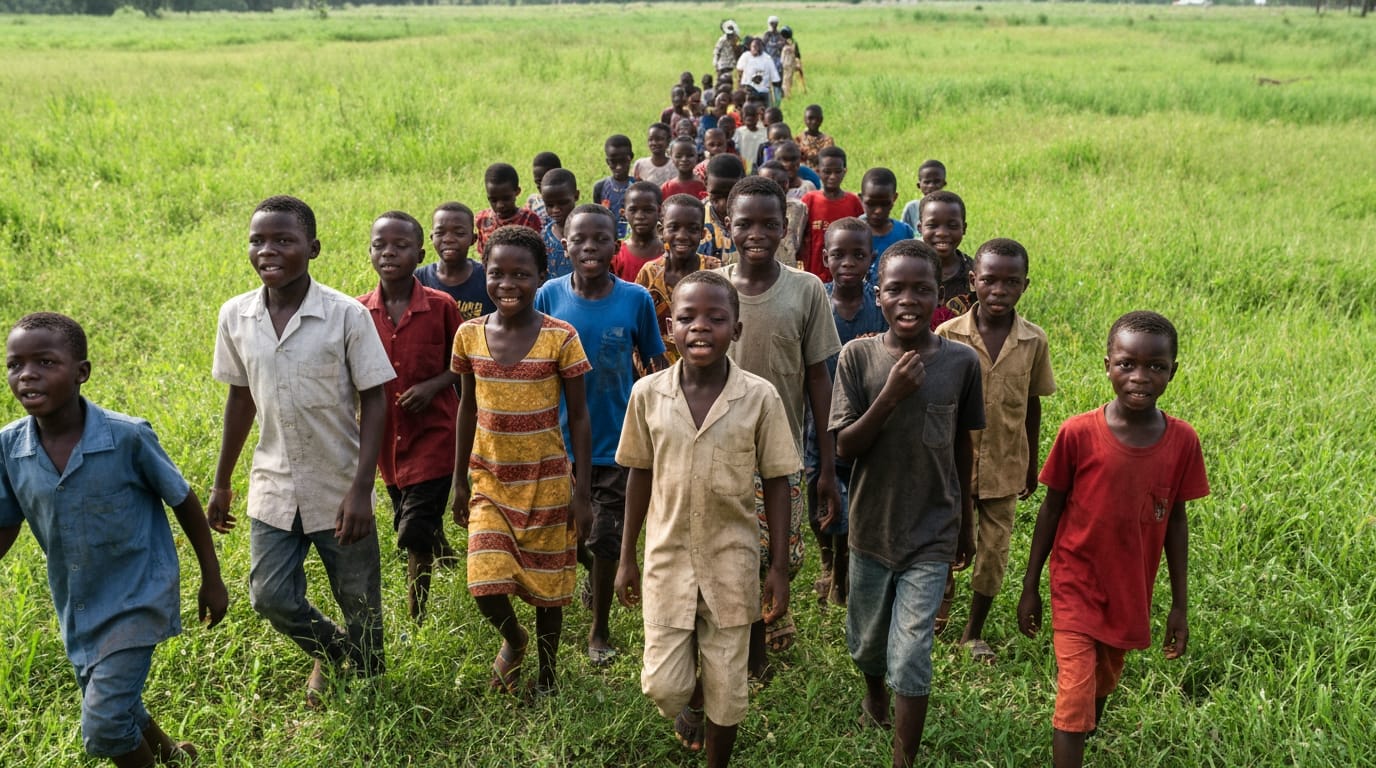
ABUJA, NIGERIA – A glimmer of hope has emerged from Nigeria's escalating abduction crisis as reports indicate the release of 100 schoolchildren who were kidnapped last month from a Catholic boarding school in Niger State. While families and a nation gripped by fear may find solace in this partial return, the joyous news is tempered by the grim reality that an estimated 165 students and teachers remain in the clutches of their captors, underscoring the persistent and devastating threat to education and safety across the country.
The reported release, which began circulating on Sunday, December 7, 2025, marks a significant, albeit incomplete, development following one of Nigeria's worst mass kidnappings in recent memory. The children, some as young as six years old, are expected to be formally handed over to Niger State government officials on Monday, December 9, 2025. This breakthrough, confirmed by a United Nations source and local media outlets, highlights the complex and often opaque nature of these abduction cases, with details surrounding the children's freedom remaining largely undisclosed by federal authorities.
The Traumatic Abduction: A Community Scarred
The ordeal began on November 21, 2025, when armed gunmen, often referred to as bandits, stormed St. Mary's Private Catholic Primary and Secondary School in Papiri, Agwara Local Government Area of Niger State. The brazen attack saw a total of 303 children and 12 teachers abducted, thrusting the community into a fresh wave of despair. The scale of the incident quickly drew comparisons to the infamous 2014 Chibok abductions, reigniting national and international concerns over the safety of educational institutions in Nigeria.
In the immediate aftermath of the initial kidnapping, approximately 50 of the students managed to escape, either by fleeing during the attack or shortly thereafter. However, the precise circumstances of these initial escapes have been subject to conflicting accounts, with some reports suggesting they simply ran away during the chaos rather than escaping from prolonged captivity. Nevertheless, for weeks, hundreds of others remained unaccounted for, leaving their families in agonizing uncertainty and the nation grappling with another security lapse. The children taken ranged in age, including both male and female students between 10 and 18, with some pupils reportedly as young as six years old.
A Pervasive Crisis: The Business of Kidnapping
The mass abduction from St. Mary's is not an isolated event but rather a stark indicator of Nigeria's deepening security crisis, where the kidnapping of schoolchildren has become a horrifyingly frequent occurrence. Over the past decade, such incidents have evolved from isolated acts of terror by extremist groups into a sophisticated, profit-driven enterprise. Analysts from SBM Intelligence, a Lagos-based consultancy, estimate that between July 2024 and June 2025 alone, the kidnap-for-ransom industry generated approximately $1.66 million. Another report indicates that between July 2022 and June 2023, around 3,620 people were abducted in 582 cases, resulting in approximately $3.87 million paid in ransoms.
This surge in abductions has had a devastating impact on Nigeria's educational sector, particularly in the northern regions. Schools are frequently targeted due to their perceived vulnerability and the high value placed on human lives, making students easy prey for criminal gangs. The threat has led to the closure of numerous schools, denying countless children their right to education and deepening societal challenges. A significant contributing factor to this vulnerability is the lack of adequate security infrastructure; more than 42,000 primary and secondary schools across northern Nigeria reportedly lack perimeter fencing, leaving them exposed to attacks.
Government Response and Lingering Questions
In response to the mounting pressure from the St. Mary's abduction and other recent attacks, Nigerian President Bola Tinubu declared a nationwide state of emergency in late November 2025. The president announced plans to recruit an additional 20,000 police officers, expanding the total force to 50,000, and authorized the deployment of forest guards to protect remote areas from armed groups. He also urged for enhanced protection measures in schools, churches, and mosques located in vulnerable regions. However, the efficacy of these measures in stemming the tide of abductions remains a significant concern for security experts and the public alike.
While the release of the 100 schoolchildren is a cause for immense relief, details surrounding the process remain elusive. Neither the payment of ransom nor the specifics of any military operations have been officially confirmed. Local authorities and the Christian Association of Nigeria (CAN), which runs St. Mary's school, have publicly stated they were not officially notified of the children's freedom, raising questions about the coordination and transparency of the rescue efforts. The freed children are reportedly undergoing medical evaluations and debriefing before being reunited with their anxious families, a necessary step to address both their physical and psychological well-being after weeks in captivity.
Hope Amidst Uncertainty
The return of 100 schoolchildren is a poignant moment for Nigeria, offering a much-needed ray of hope to their families and a country weary of violence. Yet, the celebratory mood is undeniably subdued by the knowledge that hundreds of others—153 pupils and 12 teachers by some counts—remain missing from the St. Mary's attack, their fates uncertain. This partial resolution underscores the ongoing and complex challenges facing Nigeria in securing its communities and protecting its most vulnerable citizens.
The crisis extends beyond the immediate victims, casting a long shadow over the future of education in the affected regions. The psychological trauma inflicted on the children, their families, and the broader community is profound and will require sustained support. As the nation continues to grapple with the pervasive issue of mass abductions, the urgent call for comprehensive and effective security strategies, alongside robust support systems for victims, grows louder. The liberation of these 100 students is a significant development, but it also serves as a somber reminder of the many who are still waiting to return home, and the pressing need for lasting solutions to ensure that no child fears going to school in Nigeria again.


