Orban's Embrace: Understanding Hungary's Support for Serbian Nationalism
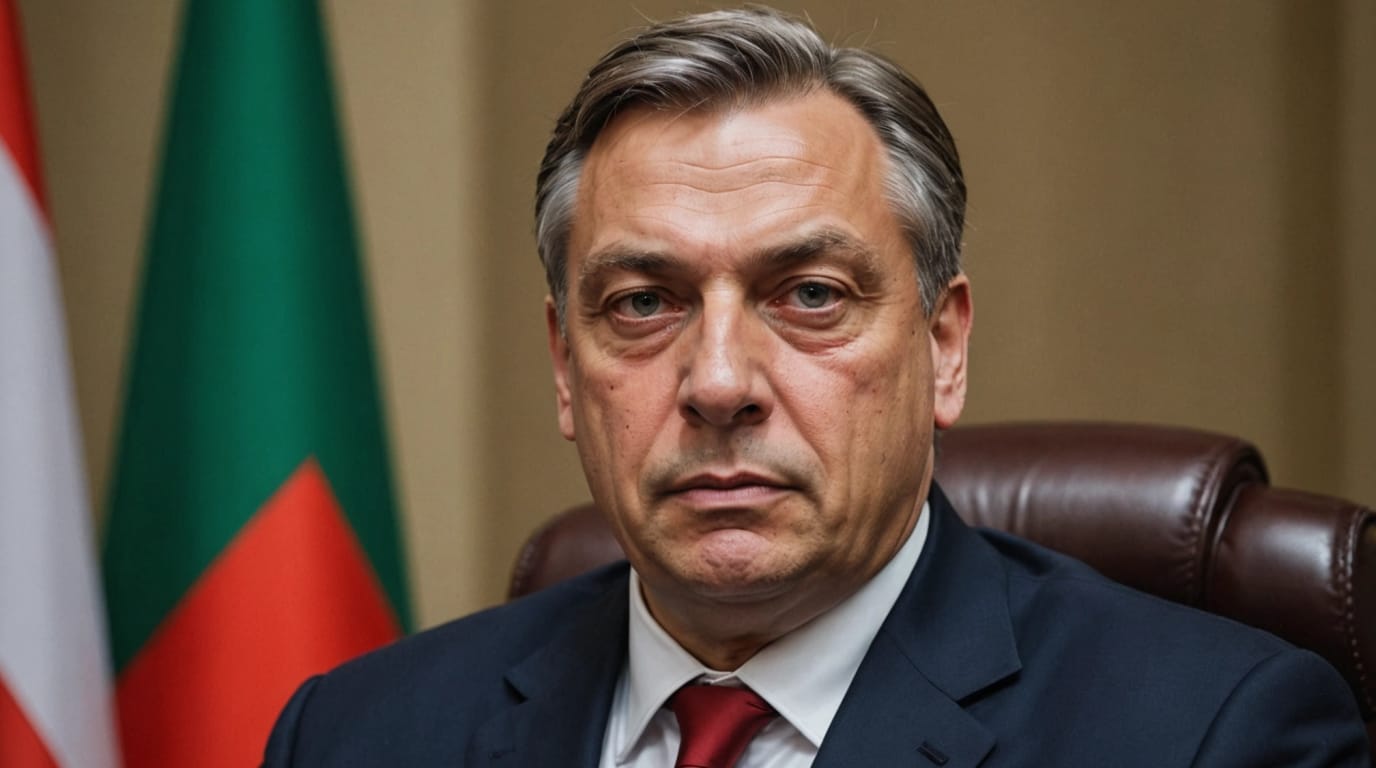
Hungarian Prime Minister Viktor Orban's backing of Serbian nationalism, particularly through his close relationship with Serbian President Aleksandar Vučić and Bosnian Serb leader Milorad Dodik, has raised concerns across Europe. This support, viewed by some as a threat to regional stability, stems from a complex interplay of historical ties, economic interests, shared political ideologies, and Orban's ambition to establish Hungary as a regional power.
Historical Context and Shifting Alliances
Hungary and Serbia share a long and often fraught history, marked by periods of both cooperation and conflict. As part of Austria-Hungary, the Hungarian army formed part of the invading force against Serbia in World War I. After the war, Hungary lost Vojvodina, a former territory, to Serbia. During World War II, relations plummeted further when Hungary, allied with Nazi Germany, annexed parts of Vojvodina, leading to expulsions of Serbs and brutal conduct by Hungarian occupying forces. In turn, Serbian partisans retaliated in 1944, killing Hungarian civilians in Vojvodina.
Despite this troubled past, relations between the two countries have dramatically improved in recent years. This transformation is partly attributed to a mutual stance against restricting Russian gas imports, leading to closer ties and plans for a joint oil pipeline. In 2014, Hungary officially lifted decrees of collective guilt related to WWII atrocities, paving the way for reconciliation and renewed emphasis on shared histories of collaboration.
Economic and Strategic Interests
Economic cooperation plays a significant role in the burgeoning relationship between Hungary and Serbia. Serbia is now Hungary's third-largest foreign trade partner, with trade turnover increasing more than sixfold between 2014 and 2023. Hungarian companies, such as OTP Bank and MOL, have made significant investments in Serbia. This economic interdependence is further solidified by energy cooperation, with Serbia serving as a crucial transit country for Hungarian natural gas supplies. Hungary also stores gas for Serbia and is working to expand their oil pipeline networks.
This strategic alliance is aimed at strengthening both nations against external threats and economic volatility. Orban has consistently advocated for Serbia's EU accession, viewing it as essential for regional stability and economic growth.
Shared Ideologies and Political Alignment
Orban's support for Serbian nationalism is also rooted in shared political ideologies with Vučić and Dodik. All three leaders are often described as right-wing populists with authoritarian tendencies. They share similar worldviews on issues ranging from Russia and China to hopes for a return of Donald Trump to the White House. They are also united by a skepticism towards the European Union and a focus on national sovereignty.
Orban and Dodik, in particular, share a belief in identity politics and the purity of their nations. Both leaders have been criticized for undermining democratic institutions and promoting divisive rhetoric. Orban's support for Dodik, who has been sanctioned by the U.S. and Britain for undermining the Dayton Peace Accords, has been particularly controversial.
Regional Power Ambitions and Hungarian Minorities
Analysts suggest that Orban's support for Serbian nationalism is also driven by his ambition to establish Hungary as a regional power in Central and Southeastern Europe. By supporting EU candidate countries in the Western Balkans that are led by his allies, Orban hopes to strengthen his influence within the European Union.
Furthermore, Orban's ethno-nationalist views are reflected in his focus on Hungarian minorities in neighboring countries, including Serbia. A significant Hungarian minority resides in Serbia, primarily in the Vojvodina region. Orban's government has provided support to these communities, fostering cultural and economic ties. This focus on Hungarian minorities aligns with Orban's broader agenda of promoting Hungarian interests and influence beyond Hungary's borders.
Concerns and Implications
Orban's support for Serbian nationalism has drawn criticism from various quarters. Some observers fear that it contributes to regional destabilization, particularly in Bosnia and Herzegovina, where Dodik's secessionist rhetoric and actions have raised tensions. The "Srpski svet" (Serbian world) concept, promoted by Vučić and supported by Dodik, is viewed by some as a threat to the sovereignty and territorial integrity of neighboring countries.
Critics also argue that Orban's support for authoritarian leaders in the Balkans undermines democratic values and hinders the region's progress towards European integration. His close ties with leaders who have been accused of corruption and human rights abuses have raised concerns about Hungary's commitment to the rule of law and democratic principles.
Conclusion
Viktor Orban's support for Serbian nationalism is a multifaceted phenomenon driven by historical context, economic interests, shared ideologies, and regional power ambitions. While Orban portrays his policies as promoting regional stability and economic growth, critics fear that they contribute to destabilization and undermine democratic values. As Hungary assumes the EU presidency, its relationship with Serbia and its approach to the Western Balkans will continue to be closely scrutinized, with implications for the region's future and the broader European project.


