Pakistan Steps Up Diplomatic Push as US-Iran Tensions Edge Towards Brink
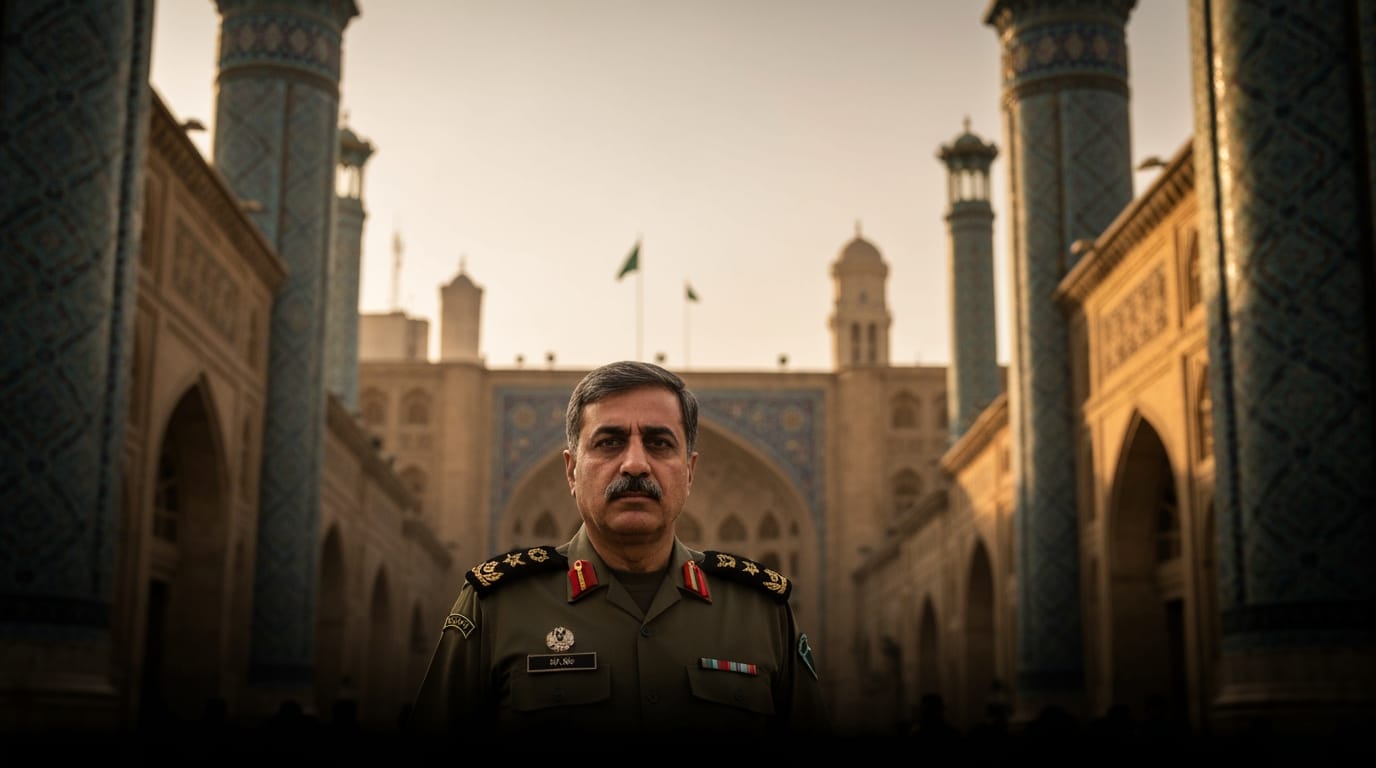
Islamabad, Tehran, Washington D.C. - Pakistan is intensifying its critical role as a mediator between the United States and Iran, with diplomatic activity reaching a fever pitch amidst a fragile ceasefire and renewed warnings of escalation in the ongoing conflict. While reports circulated on Thursday, May 21, 2026, of an expected visit by Pakistan's Army Chief, General Asim Munir, to Tehran, sources familiar with the negotiations indicated the decision was still under consideration, or even disputed by some outlets. This reported deliberation, however, underscores Islamabad's urgent and persistent efforts to de-escalate a conflict that has ravaged the region since late February.
Pakistan's strategic outreach comes as US President Donald Trump issued a stern warning that the window for diplomacy is narrowing, describing negotiations as "on the borderline" between a possible agreement and renewed hostilities. Simultaneously, Tehran has countered with threats to expand any renewed aggression "beyond the region," highlighting the immense stakes involved in the current diplomatic gambit.
A Flurry of High-Stakes Diplomacy
The current diplomatic push by Pakistan is marked by high-level engagements. While confirmation regarding General Munir's reported visit to Tehran on May 21, 2026, remained fluid, it follows a confirmed three-day visit he undertook to Iran from April 15 to 18, 2026. During that earlier trip, General Munir stressed the imperative for "dialogue, de-escalation, and peaceful resolution of outstanding issues through sustained diplomatic engagements," reflecting Pakistan's unwavering commitment to facilitating peace.
Further emphasizing Islamabad's active role, Pakistan's Interior Minister Syed Mohsen Naqvi made two separate visits to Tehran this week, holding discussions with Iranian officials, including President Masoud Pezeshkian. These meetings reportedly covered recent regional developments and the status of indirect talks between the United States and Iran, which Pakistan has been instrumental in facilitating. Tehran has confirmed receiving US views through Pakistani mediators and is currently reviewing them, indicating the substantive nature of these back-channel communications.
Pakistan’s emergence as an indispensable mediator in the US-Iran peace negotiations represents a significant shift in its international standing. Prime Minister Shehbaz Sharif has lauded Pakistan's recognition as an "honest mediator," attributing this to a robust "political-military partnership" and the trust placed in Islamabad by both the US and Iran, as well as Gulf states.
The Shadow of War and Regional Volatility
The backdrop to these intensive diplomatic efforts is a volatile "Iran war" that began on February 28, 2026, with joint US-Israeli strikes on Iran, followed by a swift and widespread Iranian retaliation across the Middle East. A fragile ceasefire, brokered by Pakistan, has been in place since April 8, pausing direct hostilities. However, President Trump's recent warnings indicate the ceasefire's tenuous nature and the potential for rapid re-escalation if diplomatic breakthroughs are not achieved soon.
The conflict has led to significant disruptions, including the partial closure of the Strait of Hormuz, a critical chokepoint for global oil supplies, and a US naval blockade of Iranian ports. Iran's Revolutionary Guards have warned that renewed aggression could prompt a conflict extending beyond the immediate region, a threat that raises global alarm. The war has already resulted in thousands of casualties and widespread displacement, further stressing the urgency of a lasting resolution.
Pakistan's Strategic Balancing Act
Pakistan's decision to actively mediate in the US-Iran conflict is rooted in its complex strategic interests and its desire for regional stability. As a neighboring country with deep historical, cultural, and religious ties to Iran, Pakistan maintains cordial relations despite geopolitical shifts. However, Pakistan also has strong strategic and economic partnerships with Saudi Arabia and other Gulf states, some of whom have been targeted in retaliatory Iranian attacks. This delicate balance is evident in Pakistan's recent deployment of 8,000 troops, a squadron of fighter jets, and an air defense system to Saudi Arabia under a mutual defense pact, even while simultaneously pushing for peace between Washington and Tehran. This deployment is primarily for advisory and training roles, supporting Saudi Arabia's defense without direct military intervention in the Iran conflict.
Economically, Pakistan is also navigating the regional turbulence by opening overland trade corridors with Iran, allowing Tehran to import goods from Pakistani deepwater ports. This move helps Iran circumvent the US blockade of the Strait of Hormuz and simultaneously serves Pakistan's long-term goal of establishing itself as a regional trade hub connecting Central Asia to South Asia, bypassing the instability in Afghanistan. This demonstrates Islamabad's conviction that "sustained connectivity, trade facilitation and diplomatic access are better instruments of influence than isolation".
The Path Forward: Hope for De-escalation
The ongoing diplomatic initiatives led by Pakistan represent a critical effort to prevent a catastrophic escalation of the US-Iran conflict. With both sides issuing stark warnings and the ceasefire remaining tenuous, the stakes could not be higher. Pakistan's consistent message emphasizes the need for dialogue and a negotiated settlement, aiming to bring stability to a region teetering on the edge.
The success of these mediation efforts hinges on the willingness of Washington and Tehran to find common ground and move beyond the current impasse. While a definitive agreement remains elusive, the continued engagement facilitated by Islamabad offers a glimmer of hope that diplomacy can still avert a wider and more devastating war, ensuring peace and prosperity for the region and beyond.


